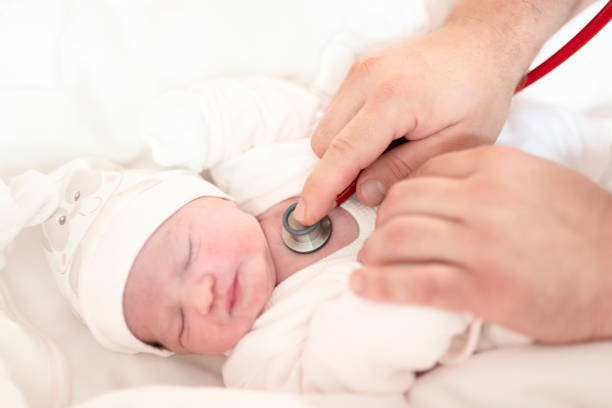
A newborn stethoscope is essential for pediatricians, neonatologists, and even parents who want to monitor their baby’s health. Since newborns have delicate bodies and tiny heartbeats, a specialized stethoscope helps provide accurate readings. Unlike standard stethoscopes, these devices are designed with smaller chest pieces and enhanced acoustic sensitivity, allowing for precise auscultation. Choosing the right stethoscope ensures clear sound transmission, comfort, and durability. This guide will explore the best newborn stethoscopes, their features, and expert tips for selecting the perfect one.
Why You Need a Specialized Newborn Stethoscope
A standard stethoscope may not work well for newborns due to their smaller chest size and fainter heart sounds. A newborn stethoscope has a smaller chest piece, high-quality acoustics, and a sensitive diaphragm to detect subtle sounds. Here’s why you need one:
- Enhanced Sound Sensitivity: Picks up low-volume heartbeats and lung sounds, crucial for detecting congenital heart conditions early.
- Comfortable Fit: Designed for small chests and delicate skin, reducing discomfort during examinations.
- Lightweight Design: Easy to use for extended periods without causing strain.
- Durability: Made from high-quality materials for long-term use, ensuring consistent performance in busy medical settings.
- Prevention of Misdiagnosis: Ensures accurate detection of murmurs, respiratory distress, and abnormal breath sounds.
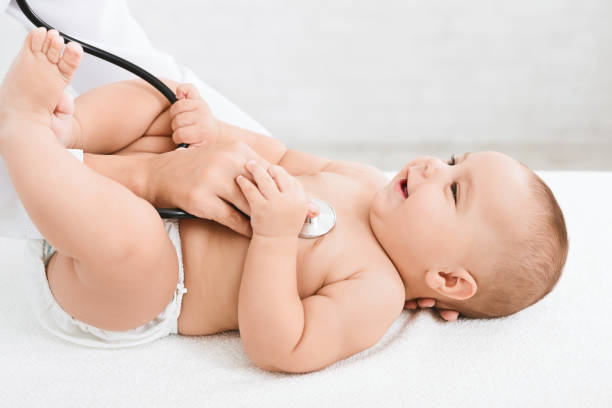
Features to Look for in a Newborn Stethoscope
When selecting a newborn stethoscope, consider the following features:
1. Chest Piece Size
- A smaller chest piece (around 2.7 cm) ensures optimal contact with a newborn’s body, allowing for precise sound transmission.
- Dual-sided chest pieces allow flexibility in switching between diaphragm and bell modes.
2. High Acoustic Sensitivity
- A stethoscope with superior sound clarity helps detect faint heartbeats, breath sounds, and potential murmurs.
- Consider a model with tunable diaphragms for more frequency range coverage.
3. Soft Ear Tips
- Ensures comfort during long examinations.
- A snug fit blocks out ambient noise, improving clarity and focus.
4. Flexible and Durable Tubing
- It helps with easy maneuverability and prevents kinks or cracks that can compromise sound quality.
- Latex-free tubing is preferable to prevent allergic reactions in sensitive newborns.
5. Lightweight Build
- Reduces strain on medical professionals during long shifts.
- Aluminum chest pieces can offer a lightweight alternative to traditional stainless steel.
Best Newborn Stethoscopes in 2024
Here’s a comparison of the best stethoscopes designed for newborns:
| Stethoscope | Chest Piece Size | Acoustic Sensitivity | Weight | Key Features |
| Littmann Classic III | 2.7 cm | High | Lightweight | Dual diaphragm, soft ear tips, excellent durability |
| ADC Adscope 604 Pediatric | 2.5 cm | Superior | Lightweight | Stainless steel, flexible tubing, latex-free |
| MDF Sprague Rappaport | 2.6 cm | Excellent | Medium-weight | Convertible chest piece, extra earpieces, affordability |
| Prestige Medical Clinical | 2.8 cm | Good | Lightweight | Soft tubing, budget-friendly, standard sound quality |
| Welch Allyn Harvey Elite | 2.7 cm | High | Medium-weight | Premium acoustics, durable build, superior clarity |

How to Use a Newborn Stethoscope Properly
Using a newborn stethoscope requires careful technique to ensure accurate readings. Here’s how:
1. Positioning the Stethoscope
- Place the chest piece directly on the baby’s bare chest, avoiding clothing or blankets that may muffle sounds.
- Position it over the left side of the chest for heart sounds and the back for lung sounds.
2. Listening to Heart Sounds
- Focus on the rhythm, frequency, and intensity of the heartbeat.
- Detect murmurs or irregularities that may indicate congenital heart conditions.
3. Checking Lung Sounds
- Listen for clear breathing, absence of wheezing, or crackling sounds that may indicate respiratory distress.
4. Maintaining Hygiene
- Always disinfect the chest piece before and after each use to prevent infections.
- Store in a clean, dry place when not in use.
The Role of Newborn Stethoscopes in the Philippines
In the Philippines, access to medical tools like the newborn stethoscope is crucial. Many rural areas lack proper healthcare equipment, making it harder to care for newborns.
Organizations and hospitals are working to provide these tools to clinics across the country. For example, some charities donate sterilizers to rural health units. This helps doctors detect health issues early, saving lives.
Tips for Choosing the Right Newborn Stereoscope
- Choose a lightweight design: helps reduce hand fatigue during long shifts.
- Opt for a High-Quality Chest Piece: A stainless-steel chest piece provides better sound quality and durability.
- Consider Comfort: Soft ear tips and flexible tubing improve usability, especially for frequent use.
- Look for a Reliable Brand: Littmann, ADC, and Welch Allyn are trusted names in medical equipment.
- Assess Your Needs: Consider a dual-head model if you work with both newborns and older infants.
Frequently Asked Questions (FAQs)
1. Can parents use a newborn stethoscope at home?
Yes, parents can use a newborn stethoscope to monitor their baby’s heartbeat and breathing. However, it should not replace professional medical evaluations.
2. How often should I clean my newborn stethoscope?
You should disinfect the chest piece before and after every use to maintain hygiene and prevent infections.
3. Are digital stethoscopes better for newborns?
Digital stethoscopes can amplify sounds and reduce background noise, making them a great option for neonatologists. However, traditional stethoscopes remain reliable and widely used.
4. What’s the best brand for newborn stethoscopes?
Littmann, Welch Allyn, and ADC are among the most trusted brands for high-quality newborn stethoscopes.
5. Can I use a pediatric stethoscope instead of a newborn stethoscope?
While pediatric stethoscopes work for infants, newborn stethoscopes are designed specifically for smaller chests and more delicate auscultation.

Conclusion
A newborn stethoscope is a crucial tool for monitoring an infant’s health. Whether you’re a healthcare professional or a concerned parent, investing in a high-quality stethoscope ensures accurate assessments and early detection of health issues. Consider factors like chest piece size, acoustic sensitivity, and durability when making your choice. By selecting the right stethoscope, you can provide better care and ensure the well-being of newborns.
A well-chosen stethoscope makes all the difference in neonatal care. If you have experience using a newborn stethoscope, share your thoughts in the comments below!