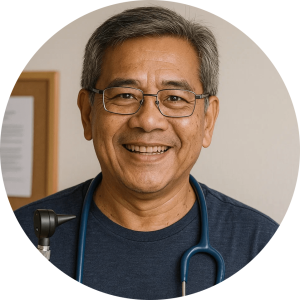
Mastering the use of a stethoscope is a vital skill for healthcare professionals. Stethoscope certification and training help you improve your diagnostic abilities, ensuring you deliver accurate and efficient care. Whether you are starting your medical journey or advancing your skills, certification programs provide the knowledge and confidence you need to excel.
Why Stethoscope Certification is Essential
A stethoscope is more than a tool; it’s a bridge between you and your patient’s health. Certification ensures you know how to use this device effectively to identify and interpret sounds that indicate various health conditions.
Benefits of Certification:
- Improved Diagnostic Accuracy: Learn to differentiate between normal and abnormal heart, lung, and bowel sounds.
- Enhanced Confidence: Gain practical knowledge that helps you make informed decisions.
- Career Advancement: Certification makes you more competitive in the healthcare field.
- Patient Trust: Demonstrating certified skills assures patients of your expertise.
Steps to Stethoscope Certification
Getting certified in stethoscope use involves a structured process. Below are the detailed steps:
1. Select the Right Program
Choose a program that aligns with your needs and goals. Look for certifications accredited by medical boards or associations.

2. Complete the Training Modules
Training covers topics like:
- Anatomy of the heart, lungs, and abdomen.
- Techniques to position the stethoscope correctly.
- Recognizing different sounds like murmurs, wheezes, and bruits.
3. Practice Hands-On Skills
Programs often include simulated scenarios or real-life patient interactions to improve your practical abilities.
4. Take the Certification Exam
Exams assess your theoretical knowledge and hands-on proficiency. Online tests might include video or audio evaluations.
5. Earn Your Certification
After passing, you’ll receive a certificate validating your expertise in stethoscope use. This credential enhances your resume and professional profile.
Types of Stethoscope Certification Programs
There are different programs based on your role in healthcare.
| Program Type | Designed For | Focus Areas |
| Basic Certification | Nursing students, paramedics | Fundamental auscultation skills |
| Advanced Certification | Physicians, specialists | Complex diagnostics like heart murmurs, arrhythmias |
| Specialized Programs | Cardiology, pulmonology professionals | Specific focus on heart or lung conditions |
Online vs. In-Person Training: What to Choose?
Both online and in-person training have unique benefits. Here’s how they compare:
| Training Type | Advantages | Challenges |
| Online | Flexible schedule, cost-effective | Limited hands-on practice |
| In-Person | Real-time interaction, practical learning | Time-consuming, and may require travel |
In the Philippines, top medical schools and training centers offer in-person workshops to ensure a hands-on learning experience. These programs are tailored to address local healthcare challenges, such as tropical diseases, making them uniquely beneficial.
How Stethoscope Certification Improves Clinical Skills
Certified training sharpens your diagnostic abilities by focusing on practical and theoretical learning.
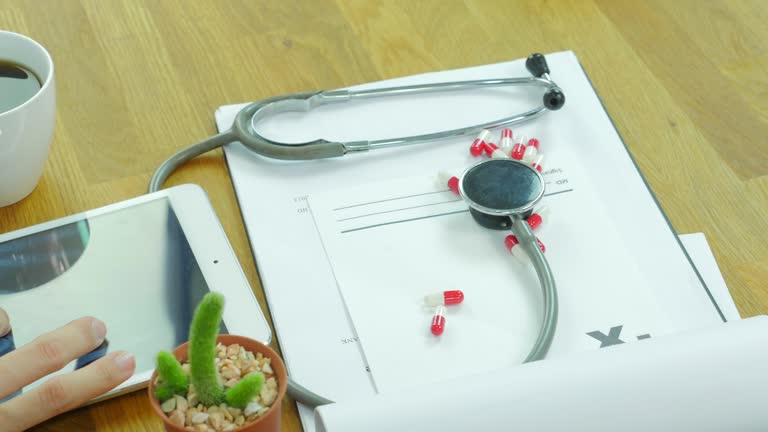
Key Skills You’ll Gain:
- Heart Sound Recognition: Detect murmurs, arrhythmias, and valve abnormalities.
- Lung Sound Analysis: Identify wheezing, crackles, and other signs of respiratory issues.
- Bowel Sound Evaluation: Understand patterns that indicate gastrointestinal health.
- Critical Thinking: Use diagnostic findings to develop effective treatment plans.
Training programs also emphasize soft skills like patient communication, ensuring you build trust and deliver compassionate care.
Stethoscope Certification in the Philippines
In the Philippines, the need for skilled healthcare workers is on the rise. Many training centers and universities provide certification programs that meet international standards.
Unique Features of Philippine Programs:
- Tropical Health Focus: Training includes diagnosing conditions prevalent in tropical climates, such as dengue and respiratory infections.
- Global Recognition: Certifications from these programs are often valid internationally, opening doors for overseas opportunities.
- Accessibility: Affordable courses make it easier for healthcare professionals to gain specialized training.
Whether you’re in Metro Manila or smaller cities, you can find high-quality programs to suit your needs.
Tips for Choosing the Best Certification Program
Here’s how to select the right program:
- Check Accreditation: Ensure the program is approved by a reputable medical organization.
- Look for Practical Training: Choose a course that includes hands-on practice or simulations.
- Consider Location: If you’re in the Philippines, opt for programs tailored to tropical health concerns.
- Review Costs and Flexibility: Find a program that fits your budget and schedule.
Practical Tips for Using a Stethoscope
After certification, practice makes perfect. Here are some tips:
- Proper Positioning: Place the stethoscope firmly against the skin to avoid noise interference.
- Minimize Distractions: Use quiet rooms for better sound clarity.
- Regular Cleaning: Clean your stethoscope after every use to prevent infections.
- Continuous Learning: Keep practicing and stay updated on new techniques.
Conclusion
Stethoscope certification and training are vital for improving your clinical skills and career prospects. Programs help you master the art of auscultation, ensuring you diagnose and treat patients effectively.
In the Philippines, training centers offer globally recognized certifications with a focus on local health challenges. By earning certification, you gain the confidence to excel in your profession and provide top-notch care.
Start your journey today, and take the first step toward becoming a skilled and trusted healthcare professional.