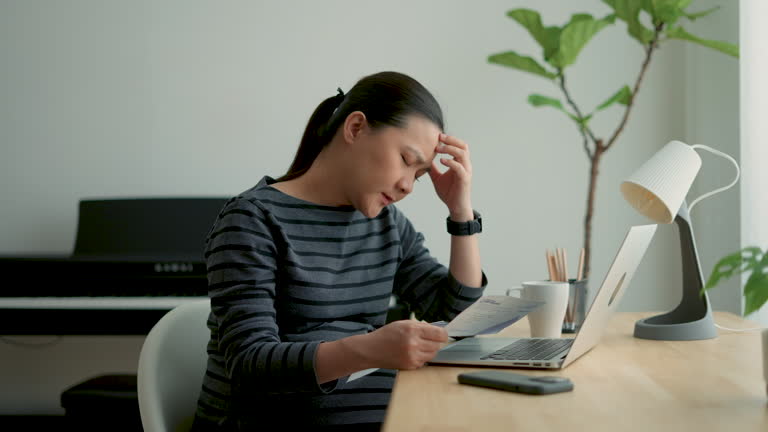
Postpartum depression (PPD) is a serious and often overlooked condition that affects new mothers after childbirth. It goes beyond typical “baby blues” and can cause severe emotional and physical challenges. Early detection and intervention are essential to help mothers recover and thrive.
Surprisingly, stethoscopes—commonly associated with diagnosing physical ailments—are proving to be valuable in postpartum depression screening. This article delves deeper into their role in detecting PPD and how they integrate into comprehensive care.
Why Is Postpartum Depression Screening Crucial?
PPD impacts about 1 in 7 mothers, according to the American Psychological Association. It can lead to long-term effects on both the mother and the child, including:
- Emotional Challenges: Persistent sadness, anxiety, or irritability can strain relationships and make parenting overwhelming.
- Physical Health Effects: Fatigue, appetite changes, and sleep disturbances can affect the mother’s recovery.
- Developmental Issues for Babies: PPD may interfere with bonding, affecting the child’s emotional and cognitive growth.
Screening ensures that mothers who experience these symptoms receive timely interventions, reducing the risk of long-term complications.
The Role of Stethoscopes in PPD Screening
Traditionally, stethoscopes are used for listening to heartbeats and lung sounds. However, their use in PPD screening bridges the gap between physical and mental health assessments. Here’s how they help:

1. Detecting Physiological Stress Responses
- Heart Rate: Increased heart rate during a routine checkup may indicate high levels of anxiety, stress, or depression.
- Breathing Patterns: Irregular or shallow breathing can signal emotional distress.
Using a stethoscope to monitor these signs provides additional clues to a mother’s emotional well-being.
2. Facilitating Trust During Appointments
- The simple act of listening to a heartbeat often calms patients and builds rapport.
- This environment of trust makes mothers more likely to share their feelings and concerns, especially about topics like mental health that might otherwise go unspoken.
3. Enhancing Holistic Health Assessments
- Postpartum checkups typically focus on physical recovery, such as uterine healing and blood pressure.
- Stethoscope-based assessments encourage providers to integrate mental health inquiries, making the visit comprehensive.
How Stethoscopes Improve Screening Outcomes
The inclusion of stethoscopes in PPD screening brings unique benefits:
| Aspect | Traditional Screening | Enhanced with Stethoscopes |
| Detection | Focuses on questionnaires or verbal cues | Adds physical markers like heart rate |
| Patient Engagement | May feel clinical or formal | Builds comfort and trust through interaction |
| Time Efficiency | Separate screenings for physical and mental health | Combines both in one session |
| Accessibility | Requires additional tools or staff | Uses existing tools seamlessly |
By integrating stethoscopes, healthcare providers gain a fuller picture of a mother’s health in less time.
Signs of Postpartum Depression
Recognizing the symptoms of PPD is key to early intervention. Common signs include:
- Emotional Symptoms:
- Persistent sadness or hopelessness.
- Lack of interest in activities or bonding with the baby.
- Feelings of guilt or worthlessness.
- Physical Symptoms:
- Unexplained fatigue or loss of energy.
- Significant changes in appetite or weight.
- Disrupted sleep patterns, even when the baby is asleep.
- Cognitive Symptoms:
- Difficulty concentrating or making decisions.
- Frequent worries or intrusive thoughts.
If you experience any of these symptoms, reaching out to a healthcare provider is crucial.
Steps for Using Stethoscopes in PPD Screening
Healthcare providers can maximize the benefits of stethoscopes for PPD screening by following these steps:

- Monitor Vital Signs:
- Check heart rate and breathing patterns for abnormalities.
- Record any deviations and correlate them with stress or anxiety levels.
- Ask Probing Questions:
- Use moments during physical exams to ask open-ended questions, like:
- “How are you feeling emotionally?”
- “Are you getting enough sleep?”
- “Do you feel overwhelmed or anxious?”
- Use moments during physical exams to ask open-ended questions, like:
- Observe Non-verbal Cues:
- Look for signs of hesitation, tears, or changes in tone that may indicate distress.
- Integrate Mental Health Screening Tools:
- Combine stethoscope assessments with validated questionnaires, such as the Edinburgh Postnatal Depression Scale (EPDS).
- Recommend Follow-ups:
- If concerns arise, refer mothers to a psychologist or counselor for further evaluation.
Innovations in Screening: Beyond the Stethoscope
While stethoscopes remain a key tool, combining them with technology improves outcomes. For example:
- Wearable Devices: These monitor vital signs continuously, alerting healthcare providers to changes.
- Telemedicine: Virtual checkups allow doctors to assess emotional well-being even when in-person visits aren’t possible.
- Mobile Apps: These offer mothers a convenient way to track their mental health and connect with professionals.
Conclusion
The role of stethoscopes in postpartum depression screening goes beyond listening to heartbeats. They provide a bridge between physical and emotional health, enabling early detection of PPD. By fostering trust, identifying stress responses, and integrating mental health questions into routine care, healthcare providers can offer mothers the support they need.
If you’re a new mother experiencing emotional challenges, don’t hesitate to speak with your doctor. Early detection and care can make a significant difference in your journey to recovery. Remember, you’re not alone, and help is always available.