
The stethoscope is widely recognized for listening to heartbeats and lung sounds. However, in gynecology, it plays an equally critical role, especially during pregnancy and certain gynecological evaluations. Gynecological Examinations provide valuable insights into the fetal heart rate, blood flow in the pelvic area, and other conditions.
Why Do Gynecologists Use a Stethoscope?
A stethoscope is a versatile instrument that gynecologists use for:
- Fetal Heartbeat Monitoring: During pregnancy, doctors use it to listen to the baby’s heartbeat and ensure the fetus is healthy.
- Pelvic Circulation Check: It helps detect abnormal blood flow in the pelvic organs.
- Non-invasive Examination: Unlike many other tools, a stethoscope is non-invasive and easy to use, making it suitable for initial checks.
Modern devices like fetal Dopplers have enhanced precision in heartbeat monitoring, but stethoscopes remain a reliable option due to their simplicity.
Key Gynecological Instruments and Their Functions
Gynecologists rely on various tools to perform detailed examinations, surgeries, and deliveries. Here’s a list of the most common instruments:

| Instrument Name | Function |
| Speculum | Holds the vaginal walls open to provide a clear view of the cervix. |
| Tenaculum | Grasps and stabilizes the cervix during procedures like IUD insertion or biopsy. |
| Curette | Removes tissue from the uterus for sampling or treatment (e.g., after a miscarriage). |
| Forceps | Grasps tissues removes foreign objects, or assists in delivery during childbirth. |
| Dilators | Gradually open the cervix for surgical access or diagnostic purposes. |
| Ultrasound Machine | Produces images of the reproductive organs or fetus for detailed examination. |
| Colposcope | Magnifies the cervix to identify abnormalities like precancerous lesions. |
| Amniotic Hook | Used during labor to break the amniotic sac and induce or assist delivery. |
| Fetal Doppler | Provides a digital method of listening to the fetal heartbeat. |
What is Included in a Gynecology Instruments Set?
A standard gynecology instruments set includes all the tools needed for routine examinations, minor surgeries, and deliveries. Here’s an overview:
- Basic Examination Tools:
- Speculum: Essential for visual examination of the cervix and vagina.
- Gloves, Gauze, and Cotton Swabs: For hygiene and sample collection.
- Surgical Instruments:
- Curettes: For scraping the uterine lining.
- Dilators: To widen the cervix for surgical access.
- Tenaculum: To hold and stabilize tissues.
- Imaging Tools:
- Ultrasound Machine: Provides a non-invasive way to visualize internal organs.
- Monitoring Devices:
- Stethoscope: Listens to fetal heartbeat and monitors pelvic circulation.
- Fetal Doppler: Offers advanced monitoring of fetal heart rate.
Gynecology Tools: Traditional vs. Modern Methods
Modern gynecological tools have revolutionized care, but traditional instruments like stethoscopes remain essential. Here’s a comparison:
| Tool | Traditional Use | Modern Replacement |
| Stethoscope | Monitors fetal and pelvic sounds. | Fetal Doppler for real-time readings. |
| Speculum | Manual vaginal and cervix examination. | Video-enabled speculums for clarity. |
| Ultrasound | Limited imaging of internal organs. | 3D/4D ultrasound for high-resolution views. |
Both traditional and modern tools work together to improve patient outcomes. While new technologies enhance accuracy, the simplicity of traditional tools ensures their continued use.
Instruments Used During Labor
During labor and delivery, specialized instruments are essential for monitoring and aiding the birth process. Key labor instruments include:
| Instrument Name | Use |
| Fetal Doppler or Stethoscope | Monitors the baby’s heartbeat during labor. |
| Amniotic Hook | Assists in rupturing the amniotic sac to induce or expedite delivery. |
| Forceps | Helps guide the baby’s head during delivery. |
| Vacuum Extractor | Provides suction to assist in delivering the baby when pushing is difficult. |
| Scissors | Used for episiotomy or to cut the umbilical cord. |
Gynecology Equipment List for Clinics and Hospitals
Gynecology clinics and hospitals require a wide range of instruments for examinations, treatments, and surgeries. A standard gynecology equipment list includes:
- Examination Equipment:
- Adjustable gynecological chairs.
- Speculum sets.
- Colposcope for detailed cervical examination.
- Diagnostic Tools:
- Ultrasound machines.
- Stethoscopes for monitoring blood flow and fetal heartbeats.
- Surgical Instruments:
- Dilators and curettes.
- Scissors and forceps.
- Hygiene and Safety Supplies:
- Disposable gloves and masks.
- Sterilizers for cleaning instruments.
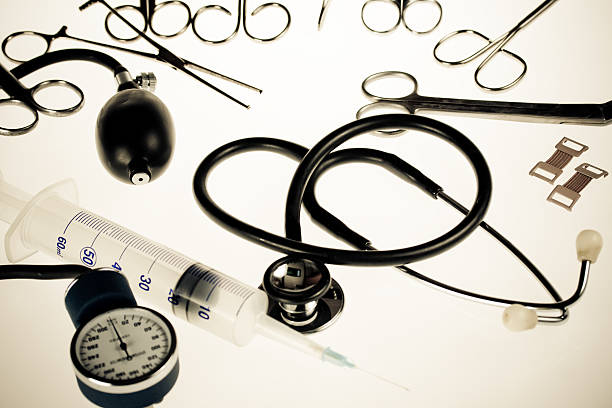
Visual Guide: Gynecology Instruments Pictures
Visual references, such as gynecology instruments pictures, help patients understand what to expect during a visit. These images often include:
- Speculum
- Colposcope
- Ultrasound machine
- Forceps and dilators
Having a clear understanding of these tools can ease anxiety during gynecological exams.
Stethoscope vs. Doppler: Which is Better?
Here’s a quick comparison between these tools in gynecology:
| Feature | Stethoscope | Doppler |
| Usage | General sound monitoring. | Advanced fetal heartbeat monitoring. |
| Cost | Affordable and widely available. | More expensive but highly accurate. |
| Ease of Use | Simple and non-invasive. | Requires specific training. |
| Availability | Found in almost all clinics. | Primarily used in hospitals or advanced care. |
Conclusion
The stethoscope used in gynecological examinations highlights its importance even in modern medicine. It’s a reliable, non-invasive tool that complements other gynecological instruments. From routine check-ups to pregnancy monitoring, tools like the speculum, ultrasound machine, and stethoscope ensure accurate and effective care.
By understanding the uses of these instruments, you can feel more prepared and informed during your visit to the gynecologist. For more about gynecology tools speculum, gynecology equipment list, and related topics, explore our detailed guides to stay informed!