
Pediatric heart sounds are vital in assessing your child’s heart health. These sounds heard through a stethoscope, provide important clues about the heart’s function. While most heart sounds are normal and harmless, others may indicate potential health issues. Knowing what these sounds mean, how they are diagnosed, and when to seek medical attention can empower you as a parent.
What Are Pediatric Heart Sounds?
Pediatric heart sounds refer to the noises made by a child’s heart during its regular pumping cycle. A healthy heart typically produces two sounds, often described as “lub-dub.” These noises occur when the heart valves open and close during blood flow.
Sometimes, additional sounds, called heart murmurs, may be present. These murmurs can be either innocent or pathological:
- Innocent Murmurs: Common and harmless, often disappearing with age.
- Pathological Murmurs: Linked to structural or functional heart issues requiring medical attention.
Understanding the difference is critical, as most murmurs are harmless, but some need further evaluation.
Types of Pediatric Heart Murmurs
Doctors classify heart murmurs based on their cause, location, and sound characteristics. Here’s a breakdown:
| Type | Characteristics |
| Innocent Murmur | No underlying heart defect; is often found in healthy children. |
| Pathological Murmur | May indicate structural abnormalities in the heart, such as a hole or valve issue. |
Key Characteristics of Innocent Murmurs:
- Soft and brief sounds.
- Heard in specific positions (e.g., lying down).
- No associated symptoms like fatigue or breathlessness.
Key Characteristics of Pathological Murmurs:
- Loud or harsh sounds.
- Accompanied by symptoms such as difficulty breathing, poor growth, or cyanosis (blue skin).
Heart Murmur Symptoms in Babies and Toddlers
Heart murmurs are often asymptomatic, but in some cases, they can present signs of a heart problem.
In Babies
- Poor feeding or sucking.
- Rapid or labored breathing.
- Bluish tint around lips or fingertips (cyanosis).
- Failure to gain weight or grow properly.
In Toddlers
- Fatigue during play or physical activity.
- Shortness of breath.
- Sweating excessively, even when inactive.
- Delayed developmental milestones.
When to Worry About a Heart Murmur in a Child
Most murmurs in children are not serious. However, you should consult a doctor if:
- The murmur persists over time and does not fade with age.
- Symptoms like breathlessness, fatigue, or cyanosis develop.
- A murmur is associated with a fever, as this could indicate an infection like endocarditis.
Early detection is key, so regular check-ups are essential.
Pediatric Heart Sounds Audio: A Diagnostic Tool
Listening to pediatric heart sounds through audio recordings helps doctors identify abnormal patterns. These recordings allow healthcare providers to compare your child’s heart sounds with normal and pathological examples.
Modern tools like echocardiography and phonocardiography can provide visual and audio insights into heart function. These tools are especially helpful for identifying the exact cause of a murmur.
Methods for Diagnosing Pediatric Heart Sounds
Doctors use several techniques to assess pediatric heart sounds, including:
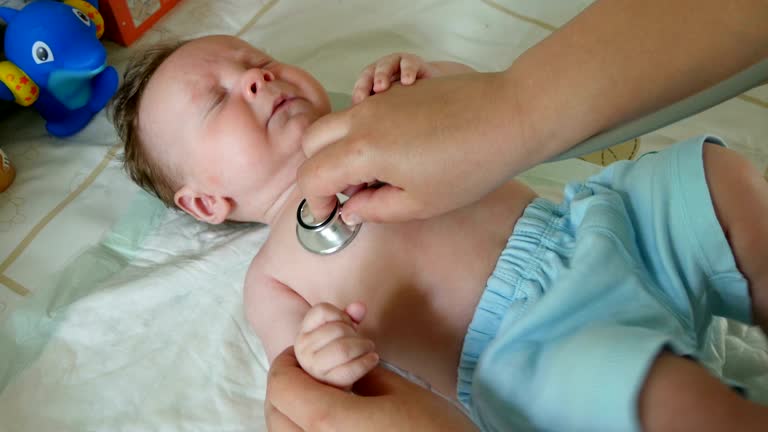
Stethoscope Examination
- Most common and non-invasive.
- Identifies basic heart rhythms and murmurs.
Echocardiogram (ECHO)
- Uses ultrasound to create images of the heart.
- Detects structural abnormalities like holes or valve defects.
Chest X-rays
- Provides a view of the heart’s size and shape.
- Helps rule out lung conditions contributing to symptoms.
Electrocardiogram (ECG)
- Measures the heart’s electrical activity.
- Detects irregular heart rhythms.
| Method | Purpose | Advantages |
| Stethoscope | Initial screening for murmurs. | Non-invasive, quick. |
| Echocardiogram | Detects structural defects. | Highly accurate, and painless. |
| ECG | Analyzes electrical function. | Helps diagnose rhythm issues. |
What Causes Heart Murmurs in Children?
Heart murmurs can result from various factors, including:

- Normal Blood Flow: Innocent murmurs often occur when blood flows through the heart’s chambers.
- Congenital Heart Defects: Structural issues like holes in the heart or valve abnormalities.
- Infections: Conditions like rheumatic fever or endocarditis can cause pathological murmurs.
Understanding the cause is essential for proper treatment.
When to Seek Medical Attention
If your child shows the following symptoms, consult a doctor immediately:
- Persistent fatigue or breathlessness.
- Feeding difficulties or poor growth in infants.
- Swelling in the legs or abdomen.
- Unusual color changes (blue or pale skin).
Early detection and treatment improve outcomes for most heart conditions.
FAQs
What Does a Heart Murmur in a Toddler Sound Like?
A murmur may sound like a soft whooshing or swishing noise. It’s heard between the normal “lub-dub” heart sounds.
Are Heart Murmurs Common in Babies?
Yes, many newborns and infants experience innocent murmurs that disappear with age.
When Should You Worry About a Heart Murmur in Babies?
You should worry if the murmur is loud, persistent, or accompanied by symptoms like poor feeding or cyanosis.
Conclusion: Understanding Pediatric Heart Sounds
Pediatric heart sounds are an important aspect of monitoring your child’s health. While many murmurs are harmless, understanding their types and symptoms can help you act when needed. If you notice unusual signs, consult your pediatrician. Early diagnosis can ensure your child’s heart stays healthy.