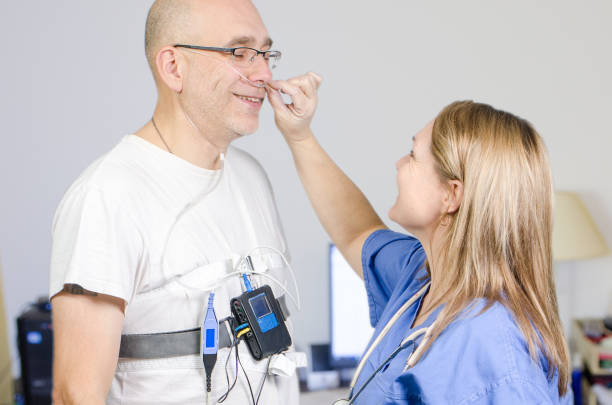
Sleep apnea affects how you breathe while sleeping, leading to serious health risks if left untreated. While advanced technology like sleep studies and CPAP machines are well-known, a stethoscope remains a vital tool for detecting early signs of sleep apnea. This guide explains how a stethoscope helps, the causes of sleep apnea, its dangers, and the latest treatments available.
How Does a Stethoscope Help Diagnose Sleep Apnea?
A stethoscope is used during physical exams to assess lung and airway function. Here’s how it helps in sleep apnea:
- Detecting Abnormal Breathing Patterns: Doctors listen for irregular breathing, wheezing, or pauses. These sounds can signal airway obstruction, a key feature of sleep apnea.
- Identifying Snoring-Related Sounds: Loud snoring combined with gasping can indicate disrupted airflow.
- Evaluating Heart and Lung Function: Sleep apnea often stresses the cardiovascular system. A stethoscope helps doctors assess the heart for irregular rhythms and lungs for signs of reduced oxygen levels.
What Causes Sleep Apnea?
Understanding the causes of sleep apnea is essential for managing the condition. Common causes include:
| Causes | Description |
| Obesity | Excess fat around the neck can narrow the airways. |
| Genetics | Family history increases your risk of developing the condition. |
| Nasal Congestion | Chronic allergies or colds can block airflow, leading to sleep apnea. |
| Aging | Throat muscles weaken with age, increasing the likelihood of airway collapse. |
| Alcohol or Sedatives | These relax throat muscles, making it harder to keep the airway open. |
| Smoking | Inflammation and fluid retention in the airways worsen breathing problems. |
Recognizing these causes helps doctors recommend targeted treatments.
Can Sleep Apnea Kill You?
Yes, untreated sleep apnea can be life-threatening. It reduces oxygen levels in your blood, which strains vital organs. Over time, this can lead to:
- Heart Attacks: Interrupted breathing stresses the heart.
- Stroke: Blood flow issues increase the risk of a stroke.
- Sudden Cardiac Arrest: Severe oxygen deprivation can trigger fatal events.
- Accidents: Daytime drowsiness due to poor sleep increases the risk of car and workplace accidents.
Seeking timely treatment can save your life.
What Are the Warning Signs of Sleep Apnea?
Recognizing symptoms early is critical. Here are the most common warning signs:
- Loud Snoring: Often the first noticeable symptom.
- Gasping or Choking During Sleep: Indicates interrupted airflow.
- Excessive Daytime Sleepiness: Poor sleep quality leads to constant fatigue.
- Morning Headaches: Low oxygen levels can cause head pain.
- Mood Changes or Irritability: Lack of sleep affects mental well-being.
If you notice these signs, consult a healthcare provider for further evaluation.
Read More: Using Stethoscopes in Cold Weather: Practical Tips
Sleep Apnea Treatment Options
There are several effective treatments for sleep apnea. Let’s compare the most common methods:
| Treatment | How It Works | Best For |
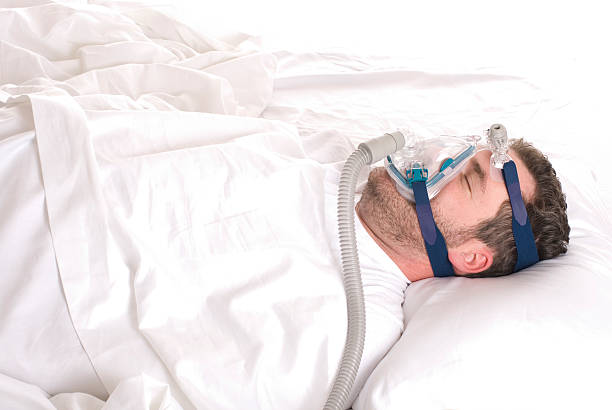
| CPAP Machines | Provides continuous airflow to keep the airway open during sleep. | Moderate to severe sleep apnea. |
| Lifestyle Changes | Includes weight loss, quitting smoking, and reducing alcohol intake. | Mild cases or combined with other treatments. |
| Oral Appliances | Devices that reposition the jaw to maintain an open airway. | Mild to moderate sleep apnea. |
| Surgery | Removes blockages, such as enlarged tonsils, or repositions tissues in the throat. | Severe cases or structural problems. |
| Inspire Therapy | A device implanted under the skin that stimulates airway-controlling nerves. | Patients are unable to tolerate CPAP. |
Each option has its benefits, and your doctor can recommend the best one based on your condition.
What Is the Newest Treatment for Sleep Apnea?
The newest treatment for sleep apnea is Inspire Therapy. This device is implanted under the skin and works by stimulating nerves that keep your airway open. Unlike CPAP machines, Inspire Therapy doesn’t require a mask, making it more comfortable for many patients.
Another emerging method is EPAP (Expiratory Positive Airway Pressure) devices, which use small, disposable valves to improve breathing during sleep. These are lightweight and easy to use.
Is Sleep Apnea Dangerous?
Yes, sleep apnea poses significant health risks, including:
- High Blood Pressure: Frequent oxygen dips cause blood vessels to constrict.
- Diabetes: Sleep apnea can worsen insulin resistance.
- Mental Health Issues: Poor sleep contributes to anxiety and depression.
- Memory Loss: Chronic oxygen deprivation affects brain function.
Don’t ignore this condition. Early diagnosis and treatment can improve your overall health.
Conclusion
Using a stethoscope to detect sleep apnea is a simple yet powerful diagnostic step. It helps doctors identify breathing irregularities early, paving the way for effective treatments. Sleep apnea is dangerous, but with proper care and modern treatments, you can regain restful sleep and avoid severe complications.
If you experience symptoms like snoring, gasping, or extreme fatigue, don’t wait. Consult a healthcare provider today to explore your options, including the newest treatments like Inspire Therapy. Your health and quality of life depend on it!