
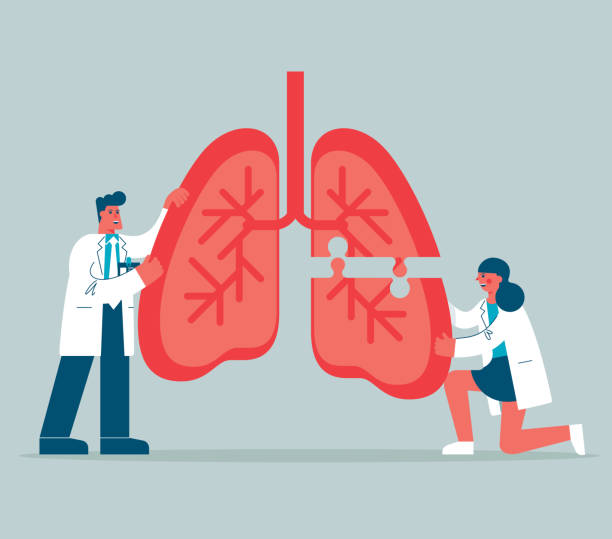
Pulmonary embolism (PE) is a life-threatening condition caused by blood clots traveling to the lungs, blocking one or more pulmonary arteries. While a stethoscope plays a key role in the initial assessment, diagnosing and treating PE requires a combination of methods. In this detailed guide, we’ll explore the role of stethoscopes, other diagnostic tools, treatments, and warning signs of this condition.
How a Stethoscope Helps Detect Pulmonary Embolism
A stethoscope is a primary tool used during the physical examination. Doctors listen to your lungs and heart to identify abnormal sounds, such as:
- Decreased or muffled breath sounds: Caused by reduced airflow due to blockages.
- Wheezing or crackles: May indicate inflammation or restricted blood flow.
- Tachycardia (rapid heartbeat): Often detected in response to reduced oxygen levels.
While the stethoscope cannot confirm PE, it provides essential clues to prompt further testing.
What Are the Warning Signs of a Pulmonary Embolism?
Recognizing early signs of PE can save your life. Common symptoms include:
- Sudden shortness of breath.
- Sharp chest pain that worsens with deep breathing.
- Fast or irregular heartbeat.
- Dizziness or fainting.
- Coughing up blood.
- Swelling, pain, or redness in the legs (a sign of deep vein thrombosis or DVT).
These symptoms can range from mild to severe, depending on the size of the clot.
Best Diagnostic Tests for Pulmonary Embolism
While a stethoscope identifies abnormalities, advanced tests confirm the diagnosis. Here are the most commonly used methods:
| Test Name | Purpose | Advantages | Limitations |
| CT Pulmonary Angiography | Detects clots in the lungs’ arteries. | Highly accurate and detailed. | Expensive and involves radiation. |
| D-Dimer Blood Test | Measures clotting activity in the blood. | Non-invasive and widely available. | May not be reliable in some cases. |
| Ultrasound (Doppler) | Identifies blood clots in the legs (DVT). | Useful for detecting clot sources. | Limited to extremity blood vessels. |
| Ventilation-Perfusion Scan | Evaluates airflow and blood flow in the lungs. | Effective in radiation-sensitive patients. | Less precise than CT angiography. |
| Pulmonary Angiography | Visualizes blockages in lung arteries. | Very detailed but rarely used. | Invasive and high risk. |
Stages of Pulmonary Embolism
Pulmonary embolism develops in stages, from mild to severe:
- Mild Stage: Small clots may cause minor symptoms like mild chest pain or shortness of breath.
- Moderate Stage: Larger clots lead to noticeable symptoms, including difficulty breathing and rapid heart rate.
- Severe Stage: Major clots block blood flow entirely, causing oxygen deprivation, collapse, or even death if untreated.
Treatment for Pulmonary Embolism
Treating PE depends on its severity and the patient’s overall health. Here’s a breakdown:
1. Medications
- Anticoagulants: Prevent further clotting and allow the body to dissolve existing clots naturally. Common drugs include heparin, warfarin, and newer options like apixaban.
- Thrombolytics: Used in emergencies to quickly dissolve large, life-threatening clots. Examples include alteplase and tenecteplase.
2. Surgical Options
- Catheter-directed thrombolysis: A minimally invasive procedure to deliver clot-dissolving drugs directly to the clot.
- Pulmonary Embolectomy: Surgical removal of a large clot in extreme cases.
3. Supportive Therapies
- Oxygen therapy to improve breathing.
- Compression stockings to prevent further clots.
Pulmonary Embolism Medication: What to Expect
- Anticoagulants (Blood Thinners): These are the first line of treatment. They reduce clotting risk and help dissolve small clots over time.
- Thrombolytics: Reserved for critical cases where rapid intervention is necessary. These drugs carry a higher risk of bleeding.
- Pain Relief and Oxygen: Patients may receive additional medications to manage symptoms and stabilize oxygen levels.
How Long Can You Have a Pulmonary Embolism Without Knowing?
PE can go unnoticed for days or weeks if symptoms are mild. This is common in smaller clots that don’t immediately restrict blood flow. However, untreated PE can worsen and cause severe complications, so timely diagnosis is critical.
How Long Before a Pulmonary Embolism Kills You?
In severe cases, PE can cause death within hours if left untreated. A large clot blocking a major artery can lead to heart failure or shock. Immediate medical attention improves survival rates significantly.
Pulmonary Embolism Death Signs
Advanced stages of PE may present alarming signs such as:
- Extreme shortness of breath.
- Bluish skin (cyanosis) due to lack of oxygen.
- The rapid decline in blood pressure (shock).
- Sudden collapse or cardiac arrest.
These signs require emergency care.
Prevention and Awareness
You can reduce your risk of PE by:
- Staying active and avoiding long periods of immobility.
- Wearing compression stockings during long flights or hospital stays.
- Managing conditions like obesity or heart disease.
- Following prescribed anticoagulant therapies if you’re at risk.
Conclusion
A stethoscope plays a crucial role in the early detection of pulmonary embolism, helping doctors identify warning signs. However, advanced diagnostic tests like CT pulmonary angiography remain the gold standard for confirmation. Timely treatment with anticoagulants, thrombolytics, or surgery can save lives.
Recognizing the warning signs, understanding treatment options, and seeking medical attention promptly can make all the difference. By staying informed, you empower yourself to take action if PE symptoms arise. Don’t ignore potential signs—your health and life depend on quick decisions.