
Asthma is a chronic respiratory condition that causes inflammation and narrowing of the airways, leading to symptoms like wheezing, coughing, and shortness of breath. Diagnosing asthma requires a combination of tools and tests, with the stethoscope being one of the most fundamental devices. This article explores how asthma is diagnosed using a stethoscope and other diagnostic methods, providing detailed insights into their role in identifying the condition.
The Role of a Stethoscope in Asthma Diagnosis
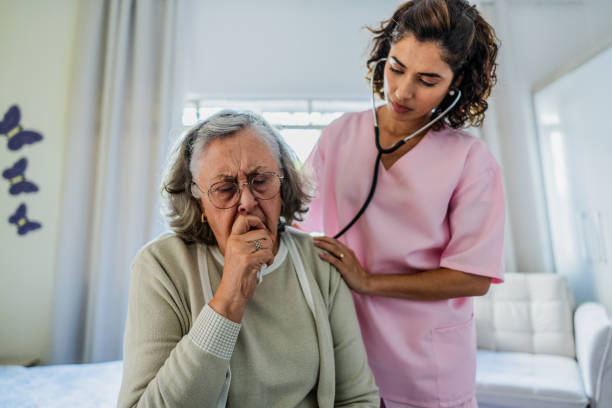
A stethoscope is often the first tool a doctor uses to check for asthma. By placing the stethoscope on different areas of your chest and back, the doctor listens for specific lung sounds, such as:
- Wheezing: A high-pitched whistling sound that indicates restricted airflow.
- Crackles or Rales: May point to excess mucus or fluid in the airways.
- Reduced Breath Sounds: Suggests that airflow is severely limited, a potential sign of asthma or other conditions.
The doctor may ask you to perform specific breathing actions, such as taking deep breaths or exhaling forcefully, to detect abnormalities. While the stethoscope provides valuable clues, it cannot confirm asthma on its own. It’s part of a broader diagnostic process involving more detailed tests.
Key Diagnostic Tests for Asthma
1. Spirometry Test for Asthma
Spirometry is a common and highly accurate test used to measure lung function. It assesses:
- Forced Vital Capacity (FVC): The total amount of air you can exhale after taking a deep breath.
- Forced Expiratory Volume (FEV1): The amount of air you can exhale in the first second of a forced breath.
A significant improvement in FEV1 after using a bronchodilator (a medication to open airways) is a strong indicator of asthma. This test is suitable for adults and children over 5 years old.
2. Peak Flow Meter for Home Monitoring
A peak flow meter measures how fast you can blow air out of your lungs. It’s an easy-to-use device for monitoring asthma symptoms at home. Regular tracking helps detect patterns or worsening symptoms, allowing you to share this information with your doctor.
3. Laboratory Test for Asthma
Lab tests are used to rule out other conditions that mimic asthma, such as allergies or infections. These include:
- Allergy Testing: Identifies allergens that trigger asthma symptoms.
- Blood Tests: Measures eosinophils (a type of white blood cell) or immunoglobulin E (IgE), both of which can indicate allergic asthma.
- FeNO Test (Fractional Exhaled Nitric Oxide): Measures airway inflammation.
4. Diagnostic Tests for Asthma in Adults
In addition to spirometry and lab tests, adult asthma diagnosis often includes:

- Bronchial Challenge Test: You inhale a substance like methacholine that narrows the airways slightly. Doctors then measure your lung function.
- Exercise-Induced Asthma Testing: Identifies if exercise triggers your symptoms.
5. How to Test for Asthma in a Child
Diagnosing asthma in children can be tricky, especially in those under 5 years old. Doctors rely on:
- Symptom History: Frequent coughing, especially at night or during exercise.
- Family History: A history of asthma or allergies in the family.
- Response to Medications: Improvement with asthma treatment helps confirm the diagnosis.
6. How to Test for Asthma at Home
While you can’t confirm asthma at home, you can monitor symptoms with tools like:
- Peak Flow Meter: Tracks lung performance over time.
- Symptom Diary: Record coughing, wheezing, and shortness of breath, especially in response to specific triggers.
| Test | What It Measures | Best For |
| Stethoscope | Lung sounds (wheezing, crackles) | Initial examination. |
| Spirometry | Lung capacity and airflow | Adults and children over 5. |
| Peak Flow Meter | Home lung function monitoring | Symptom tracking over time. |
| FeNO Test | Inflammation in the airways | Identifying allergic asthma. |
| Bronchial Challenge Test | Airway sensitivity | Confirming asthma in unclear cases. |
| Allergy Tests | Reactions to specific allergens | Diagnosing allergy-triggered asthma. |
Asthma Diagnosis Criteria
Doctors follow specific criteria to diagnose asthma:
- Symptoms: Wheezing, coughing, chest tightness, and breathlessness.
- Lung Function Tests: Reduced airflow that improves with bronchodilators.
- Triggers: Identifying factors like allergens, exercise, or infections.
- Response to Treatment: Improvement after using asthma medications.
Special Considerations for Diagnosing Asthma in Children Under 5
Children under 5 often can’t perform spirometry tests, so doctors rely on:
- Observing recurring symptoms such as wheezing or difficulty breathing.
- Reviewing family medical history for asthma or allergies.
- Trial treatments to see if symptoms improve with asthma medications.
How to Test for Asthma in Different Age Groups
Adults:
- Spirometry is the primary test.
- Bronchial challenge tests and FeNO tests may be used for further confirmation.
Children Over 5:
- Spirometry is reliable if they can follow instructions.
- Symptom monitoring and peak flow meters are helpful.
Children Under 5:
- Diagnosis relies on observation and response to treatment.
Conclusion
Diagnosing asthma with a stethoscope is an essential first step, but it’s only part of the process. Tests like spirometry, FeNO, and lab tests provide deeper insights into your lung health. Whether you’re an adult or a parent concerned about your child, understanding these diagnostic methods helps you take informed steps toward managing asthma. Always consult a doctor for an accurate diagnosis and tailored treatment plan.