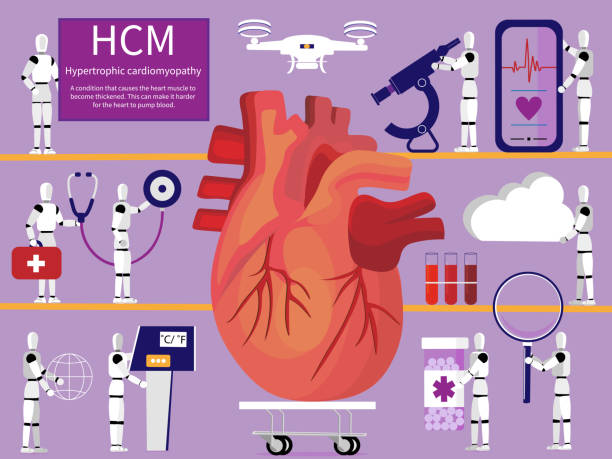
Hypertrophic cardiomyopathy (HCM) is a complex heart condition characterized by thickened heart walls. This thickening can obstruct blood flow and put undue stress on your heart. A stethoscope is one of the first tools doctors use to identify HCM by listening to abnormal heart sounds. These clues often guide further diagnostic steps and treatments.
Why Stethoscopes Matter in Hypertrophic Cardiomyopathy
Doctors rely on stethoscopes to detect heart murmurs and rhythm irregularities. In HCM, these murmurs result from turbulent blood flow caused by thickened walls or restricted outflow. Identifying these sounds during a routine check-up can lead to earlier diagnosis and better outcomes.
How Does the Stethoscope Work for HCM?
- Heart Murmurs: A murmur often indicates turbulent blood flow, a hallmark of HCM.
- Arrhythmias: Abnormal heart rhythms may be detected, prompting further tests.
- Systolic Ejection Sound: A specific sound sometimes signals outflow obstruction.
Common Symptoms of Hypertrophic Cardiomyopathy
HCM symptoms can vary widely, from mild to severe. Recognizing these symptoms can help you seek medical attention promptly:
- Breathlessness: Often during exercise or rest.
- Chest Pain: A sharp or dull pain that worsens with activity.
- Dizziness or Fainting: Particularly during physical exertion.
- Palpitations: Feeling your heart racing or skipping beats.
These symptoms occur because your heart struggles to pump blood efficiently due to its thickened walls.
Comparing Stethoscope Use with Advanced Diagnostic Tools
| Method | Purpose | Best For |
| Stethoscope | Identifies heart murmurs and rhythm changes | Quick, non-invasive initial check |
| Echocardiogram (Echo) | Provides detailed heart images | Confirming HCM diagnosis and severity |
| Electrocardiogram (ECG) | Monitors electrical activity in the heart | Detecting arrhythmias linked to HCM |
| MRI or CT Scan | High-resolution imaging | Visualizing heart muscle abnormalities |
While stethoscopes offer a quick way to detect abnormalities, echocardiograms, and MRIs provide more detailed insights.
Hypertrophic Cardiomyopathy Treatment Options
Treating HCM involves managing symptoms, improving blood flow, and preventing complications like arrhythmias or sudden cardiac arrest. Here’s an overview of treatment options:

1. Medications
- Beta-blockers: Reduce the heart’s workload by slowing your heartbeat.
- Calcium Channel Blockers: Help improve blood flow and relax the heart muscle.
- Anti-arrhythmic Drugs: Control abnormal heart rhythms.
2. Surgery
- Septal Myectomy: Removes thickened heart tissue to improve blood flow.
- Implantable Cardioverter Defibrillators (ICDs): Prevent sudden cardiac death by correcting life-threatening arrhythmias.
3. Lifestyle Adjustments
Adopting hypertrophic cardiomyopathy self-care practices, such as avoiding strenuous exercise, can significantly reduce symptoms.
Drugs to Avoid in Hypertrophic Cardiomyopathy
Some medications can worsen HCM symptoms by increasing the heart’s workload or lowering blood pressure too much. Avoid these drugs unless prescribed by your doctor:
- Nitroglycerin: This can cause dangerous drops in blood pressure.
- Certain Diuretics: May increase dehydration and exacerbate symptoms.
- Inotropes: Medications that increase heart contractions may worsen outflow obstruction.
Always consult your doctor before starting or stopping any medication.
New Treatments for Hypertrophic Cardiomyopathy
Advancements in medicine have introduced promising treatments, such as mavacamten. This drug works by targeting the underlying cause of HCM—abnormal protein interactions in heart muscle cells. It reduces thickening and improves symptoms like shortness of breath and fatigue. Ongoing trials explore similar therapies that could revolutionize HCM management.
Living with Hypertrophic Cardiomyopathy
Managing HCM requires a proactive approach to maintain your quality of life. Here are some tips:
Daily Self-Care Practices:
- Monitor Symptoms: Track changes in your heart rate, energy levels, or breathing.
- Avoid Overexertion: Stick to moderate, low-impact exercises.
- Eat Heart-Healthy Foods: Focus on balanced meals low in sodium and saturated fats.
- Stay Hydrated: Dehydration can worsen symptoms.
Regular Check-Ups:
Schedule routine visits with your cardiologist to track your progress and adjust treatments as needed.
How to Reduce Heart Wall Thickness
While you can’t completely reverse heart wall thickening, certain approaches can help:
- Medications: Beta-blockers and calcium channel blockers may slow progression.
- Surgical Options: Septal myectomy is the most effective way to reduce thickness.
- Emerging Therapies: New drugs like mavacamten show promise in reducing heart muscle thickening.
Conclusion: Stethoscope Use in Hypertrophic Cardiomyopathy
A stethoscope remains a vital tool in diagnosing and monitoring HCM. It provides the first clues about potential heart issues, guiding further tests and treatments. While stethoscopes are essential, combining them with advanced diagnostics and treatments ensures the best care.
By following your doctor’s recommendations and embracing hypertrophic cardiomyopathy self-care, you can manage your condition and lead a fulfilling life.