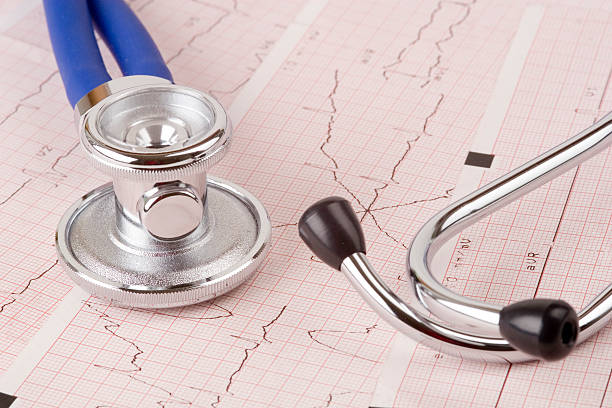
Stethoscopes have been a cornerstone of medical diagnostics for centuries. When it comes to pacemaker monitoring, stethoscopes play an integral role in detecting heart sounds and rhythms, helping doctors assess whether the device is functioning as intended. Modern advancements, such as digital stethoscopes and piezoelectric stethoscopes, have further enhanced the accuracy and efficiency of this process.
This article explores how stethoscopes contribute to pacemaker monitoring, highlighting their types, benefits, and the latest innovations.
How Stethoscopes Monitor Pacemakers
Why Pacemakers Need Monitoring
Pacemakers are small devices implanted in patients with irregular heartbeats, also known as arrhythmias. They regulate the heart’s electrical signals, ensuring a steady rhythm. Monitoring is essential to:
- Check for irregularities in heart rhythms.
- Ensure the pacemaker is pacing correctly.
- Detect any signs of malfunction, such as overspending or understanding.
Role of Stethoscopes
Stethoscopes help physicians listen to heart sounds, detect abnormalities, and confirm if the pacemaker’s pacing is consistent. These audible cues provide vital information about the heart’s mechanical activity and can reveal subtle issues in the pacemaker’s functioning.
Types of Stethoscopes and Their Applications
The stethoscope used during pacemaker monitoring depends on the level of precision required.
| Type | Features | Use in Pacemaker Monitoring |
| Traditional Stethoscope | Manual requires expertise to interpret sounds | Basic heart rhythm monitoring |
| Digital Stethoscope | Amplifies and records sounds for playback | Ideal for detecting faint or complex abnormalities |
| Piezoelectric Stethoscope | Sensitive sensors capture vibrations with high accuracy | Excellent for low-frequency and subtle heart sounds |
| Electronic Stethoscope | Converts sound into digital signals, offers AI integration | Used for advanced diagnostics and telemedicine |
Comparison Table: Traditional vs. Advanced Stethoscopes
| Feature | Traditional Stethoscope | Digital/Electronic Stethoscope |
| Amplification of Heart Sounds | No | Yes |
| Data Recording | No | Yes |
| Ability to Detect Subtle Changes | Moderate | High |
| Suitable for Telemedicine | No | Yes |
Digital Stethoscopes in Pacemaker Monitoring
Key Features
A digital stethoscope enhances heart monitoring through sound amplification and digital storage. Here’s how it supports pacemaker monitoring:
- Amplification: Helps detect faint heart murmurs or irregularities caused by pacemakers.
- Recording: Stores heart sounds for further analysis, aiding long-term tracking.
- Connectivity: Allows data sharing with specialists, improving collaborative care.
Research Supporting Digital Stethoscopes
Studies highlighted in digital stethoscope research papers reveal these devices can identify subtle pacemaker-related issues that traditional stethoscopes may miss. This makes digital stethoscopes invaluable in modern healthcare.
Piezoelectric Stethoscopes for Precision Monitoring
The piezoelectric stethoscope uses crystal-based sensors to detect heart vibrations. It’s particularly effective for:
- Capturing low-frequency sounds missed by other stethoscopes.
- Monitoring patients with pacemaker-specific complications.
- Delivering high-accuracy diagnostics for irregular heart rhythms.
Why Choose Piezoelectric Stethoscopes?
Their sensitivity makes them ideal for patients requiring detailed monitoring. For example, they can distinguish between pacemaker-induced beats and natural cardiac activity, helping doctors assess pacemaker efficiency.
Innovations in Electronic Stethoscopes
Electronic stethoscopes are transforming pacemaker monitoring. Many innovations focus on creating electronic stethoscope projects that integrate AI for real-time analysis. These devices convert sound waves into digital data, enabling precise diagnostics.
Benefits of Electronic Stethoscopes in Pacemaker Care
- AI Integration: Provides instant feedback on heart rhythm irregularities.
- Telemedicine Compatibility: Supports remote monitoring, making healthcare more accessible.
- Enhanced Diagnostics: Offers superior clarity and data-driven insights compared to traditional stethoscopes.
Why Stethoscopes Are Essential for Pacemaker Monitoring
Stethoscopes remain indispensable tools in pacemaker monitoring for several reasons:
- Non-invasive diagnostics: Listening to heart sounds is quick and painless.
- Early detection of issues: They can identify problems before symptoms worsen.
- Cost-effective care: Compared to imaging or invasive tests, stethoscopes offer a budget-friendly option.
Conclusion
The use of stethoscopes in pacemaker monitoring bridges traditional methods with modern innovations. Tools like digital stethoscopes and piezoelectric stethoscopes provide unparalleled accuracy, making pacemaker monitoring more effective and efficient. As technology evolves, these tools will only improve, ensuring better heart health for pacemaker patients.
By understanding the role of stethoscopes in this field, you can appreciate how these simple yet advanced devices save lives every day.