
Stethoscopes are an essential tool in emergency medicine. They help medical professionals make quick, accurate decisions in critical situations. From diagnosing heart conditions to assessing lung function, stethoscopes are reliable and versatile. Let’s dive into their role, importance, and how they contribute to life-saving care.
Why Are Stethoscopes Important in Emergency Medicine?
Stethoscopes are vital in emergency medicine because they provide quick and accurate insights into a patient’s condition. In emergencies, time is precious, and a stethoscope allows doctors and paramedics to assess critical issues on the spot without waiting for complex diagnostic tools.

Key Reasons Stethoscopes Are Important:
- Immediate Assessment of Heart and Lung Sounds: Stethoscopes help you detect irregular heartbeats, murmurs, or abnormal lung sounds like wheezing or crackles. These signs can indicate life-threatening conditions like heart failure, pneumonia, or asthma attacks.
- Blood Pressure Monitoring: Using a stethoscope with a blood pressure cuff provides reliable readings. This is crucial for diagnosing conditions like shock, hypertension, or internal bleeding in emergencies.
- Versatility Across Medical Needs: Stethoscopes work in diverse situations, from checking bowel sounds in abdominal pain cases to assessing blood flow in limbs after trauma. This makes them indispensable in emergency rooms and ambulances.
- Low-Cost, High-Impact Tool: Unlike advanced imaging machines, stethoscopes are portable, affordable, and require no power source. You can carry them anywhere, making them ideal for emergency settings.
- Preventing Misdiagnosis: Listening to body sounds provides real-time clues. For instance, hearing a “silent chest” in an asthma patient alerts you to a severe airway blockage. This helps you act quickly and avoid errors in diagnosis.
Stethoscope Advantages and Disadvantages
Every medical tool has its strengths and weaknesses. Here’s a quick comparison of the advantages and disadvantages of stethoscopes:
| Advantages | Disadvantages |
| Portable and easy to carry | Can spread infections if not cleaned properly |
| Provides immediate diagnostic information | Requires proper training to interpret sounds |
| Affordable compared to advanced equipment | Limited in diagnosing deeper or hidden issues |
Despite some limitations, the stethoscope remains a go-to tool in emergencies due to its simplicity and efficiency.
How to Use a Stethoscope for Blood Pressure?
One of the most common uses of a stethoscope is measuring blood pressure. Here’s a simple step-by-step guide:
- Prepare the patient: Have them sit with their arm resting at heart level.
- Wrap the cuff: Place the blood pressure cuff snugly around the upper arm.
- Position the stethoscope: Put the diaphragm (flat part) of the stethoscope over the brachial artery, just inside the elbow.
- Inflate the cuff: Pump the cuff until the pulse disappears (usually around 180 mmHg).
- Listen carefully: Slowly release air from the cuff and listen for:
- The first sound (systolic pressure), indicates blood flowing back through the artery.
- The last sound (diastolic pressure), is when the artery is no longer compressed.
This technique is simple and reliable for assessing blood pressure in emergencies.
What Are the Subspecialties of Emergency Medicine?
Emergency medicine covers a wide range of medical emergencies, and doctors often specialize in specific areas. Some key subspecialties include:
- Trauma care: Focused on treating injuries from accidents, falls, or violence.
- Pediatric emergency medicine: Specialized care for children in emergencies.
- Toxicology: Managing poisoning, drug overdoses, and harmful chemical exposure.
- Disaster medicine: Handling large-scale emergencies like natural disasters.
- Cardiovascular emergencies: Treating conditions like heart attacks or strokes.
These subspecialties ensure that patients receive the best care based on their specific needs.
Why Is Medicine Important in an Emergency Kit?
An emergency kit should always include basic medicines. These items can save lives in critical situations. For example:
- Pain relievers (like ibuprofen) help manage pain and reduce inflammation.
- Aspirin can prevent further damage during a heart attack.
- Antihistamines treat allergic reactions and reduce swelling.
- Antiseptics clean wounds and prevent infections.
Including these medicines in your emergency kit ensures you are prepared for common medical situations. Always check expiration dates and replace medicines as needed.
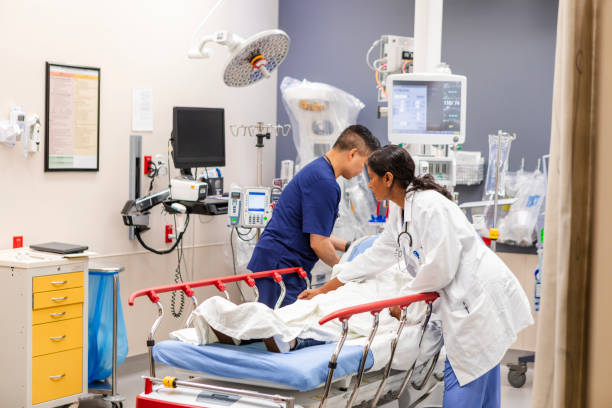
Why Is Knowledge of First Aid and Emergency Practices Important for Health Science Professionals?
First aid knowledge is essential for health professionals. It allows them to stabilize patients before advanced care arrives. For example:
- CPR can save a life during a cardiac arrest.
- Bleeding control prevents excessive blood loss.
- Airway management ensures the patient can breathe.
These skills are critical in emergencies where seconds count. First aid training also builds confidence, ensuring professionals can act quickly and effectively.
How Stethoscopes Help Prevent Misdiagnosis?
Misdiagnosis can have serious consequences. Stethoscopes help reduce this risk by providing real-time information. For example:
- Heart murmurs detected with a stethoscope can point to valve issues.
- Lung crackles may signal fluid buildup, common in pneumonia or heart failure.
- Absent bowel sounds can indicate blockages or other abdominal problems.
These clues help doctors identify problems accurately and avoid delays in treatment. However, cleaning the stethoscope between uses is crucial to prevent the spread of infections.
Additional Uses of Stethoscopes in Emergency Medicine
Stethoscopes are not just for listening to the heart or lungs. They are also used to:
- Check for intestinal sounds in abdominal emergencies.
- Assess blood flow in limbs after injuries or surgeries.
- Monitor a patient’s recovery during treatment.
Their versatility makes them indispensable in emergency departments.
Conclusion
Stethoscopes are an invaluable tool in emergency medicine. They allow quick, accurate assessments that save lives. Whether you’re measuring blood pressure, detecting abnormal heart sounds, or monitoring lung function, a stethoscope is essential. By understanding how it works and its importance, you can appreciate its role in providing life-saving care.
Always remember to include medicines in your emergency kit, learn first aid skills, and stay informed about medical tools like stethoscopes. These steps ensure you’re prepared for any emergency.