
The stethoscope is one of the most recognized symbols of healthcare worldwide. It’s not just a medical tool but a mark of trust, expertise, and care. But how did it gain this status? Let’s dive into the fascinating history, evolution, and cultural significance of the stethoscope.
The Birth of the Stethoscope
The story of the stethoscope begins in 1816 with René Laennec, a French physician. He created the first stethoscope when he felt uncomfortable placing his ear directly on a patient’s chest to listen to their heartbeat.
Laennec rolled a piece of paper into a tube and discovered that it amplified the sounds of the heart and lungs.
This simple invention changed medicine forever. Before this, doctors relied on direct auscultation (listening by placing their ear on the chest), which was awkward and often imprecise. Laennec’s tool allowed doctors to diagnose patients more accurately and professionally.
How the Stethoscope Evolved?
The stethoscope didn’t stop with Laennec’s wooden tube. Over the years, it underwent significant changes to improve its functionality and comfort.
Key Developments in Stethoscope History
| Era | Innovation | Impact on Medicine |
| 1816 | Wooden monaural stethoscope by Laennec | Improved listening for heart and lungs |
| 1850s | Binaural stethoscope with two earpieces | Allowed better sound distribution |
| 20th Century | Rubber tubing for flexibility and comfort | Made it more practical to use |
| 1960s | Littmann stethoscope with dual-frequency diaphragm | Improved sound clarity significantly |
| Modern Era | Digital and electronic stethoscopes with AI | Enhanced diagnosis and recording |
Each upgrade made the stethoscope more user-friendly and effective, keeping it essential in medicine.
Why the Stethoscope Became a Symbol of Medicine
The stethoscope is more than just a medical device—it’s an iconic symbol of the medical profession. Its association with doctors and nurses reflects its role in diagnosing, caring for, and connecting with patients. Here’s why it holds this special status:

1. A Tool of Expertise
The stethoscope represents medical knowledge and skill. Since its invention in 1816, it has allowed doctors to “listen” to the body in a way that wasn’t possible before. Using a stethoscope shows a physician’s ability to identify and diagnose conditions based on heart, lung, or other bodily sounds.
Its frequent use in clinical settings solidified its association with medical expertise. Seeing a stethoscope around a doctor’s neck assures patients they are in capable hands.
2. Trust and Reassurance
The stethoscope is a symbol of care and trust. When a doctor uses a stethoscope during an examination, it demonstrates attentiveness and thoroughness. Patients feel reassured knowing their doctor is listening closely to their body to detect potential issues.
This tangible interaction helps build the doctor-patient relationship, making the stethoscope an emotional as well as a practical tool.
3. Cultural Recognition
The stethoscope’s visibility in media, such as movies, TV shows, and photographs, has made it universally recognizable. A healthcare worker wearing a stethoscope is instantly identified as someone who provides care. This cultural reinforcement has embedded the device in the collective image of the medical field.
4. A Bridge Between Tradition and Innovation
Although medical technology has advanced significantly, the stethoscope remains relevant. Its enduring presence in both traditional and modern healthcare links the past to the present. For over 200 years, it has been used as a standard tool in every doctor’s practice.
Even with the development of electronic and digital stethoscopes, the classic design remains a staple, underscoring its role as a timeless symbol of medicine.
5. Accessibility and Universality
Unlike expensive diagnostic machines, the stethoscope is affordable and widely available. It’s used across the globe by healthcare workers in both developed and developing countries. This universal presence makes it a unifying symbol of care in medicine.
Modern Uses of the Stethoscope
Even in today’s high-tech medical world, the stethoscope remains essential. But why do doctors still rely on this centuries-old device when they have access to advanced diagnostic tools like MRIs and ultrasounds?
Key Reasons Stethoscopes Are Still Vital
- Quick and Accurate Diagnosis: Doctors use stethoscopes to check heart rhythms, lung sounds, and even blood flow within seconds.
- Non-Invasive: Unlike many medical tests, the stethoscope causes no discomfort for patients.
- Affordable: While machines like MRIs are expensive, stethoscopes offer a cost-effective diagnostic option.
- Personal Connection: Using a stethoscope creates a closer connection between the doctor and the patient. It shows care and attentiveness.
The Stethoscope in the Digital Era
Modern stethoscopes are more advanced than ever. Digital stethoscopes can amplify sounds, record them, and even analyze data with artificial intelligence. These features help doctors detect faint or unusual sounds that might go unnoticed with traditional stethoscopes.
Comparison of Traditional and Digital Stethoscopes
| Feature | Traditional Stethoscope | Digital Stethoscope |
| Sound Amplification | Basic | Amplifies up to 100x |
| Recording Capability | No | Yes |
| Cost | Affordable | More expensive |
| Ease of Use | Simple | Requires technical knowledge |
Despite these advancements, traditional stethoscopes remain widely used because of their simplicity and reliability.
Fun Facts About Stethoscopes
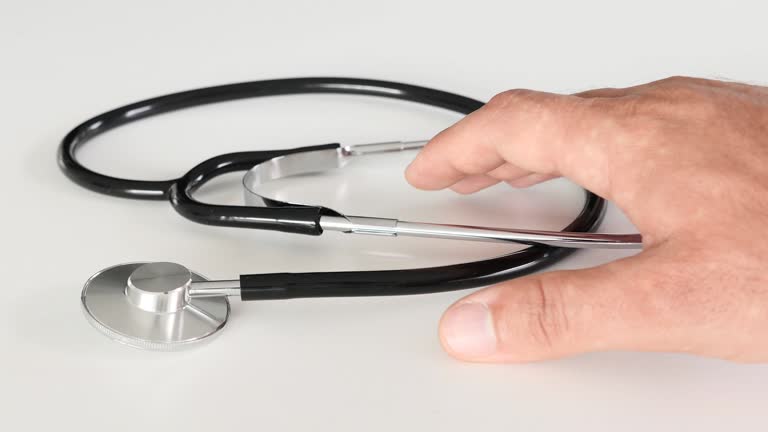
- The term “stethoscope” combines the Greek words stethos (chest) and skopein (to examine).
- René Laennec’s first stethoscope was just a wooden tube.
- A stethoscope’s tubing length can affect sound quality, with shorter tubing providing better clarity.
- Modern electronic stethoscopes can filter out background noise, making it easier to hear faint heartbeats.
FAQs
How Did the Invention of the Stethoscope Impact Society?
The invention of the stethoscope revolutionized medicine and profoundly impacted society. Before its creation in 1816, doctors relied on direct auscultation, which often lacked precision and was uncomfortable for both patients and physicians.
René Laennec’s stethoscope provided a non-invasive, professional way to examine patients, transforming diagnostic practices.
- Improved Diagnoses: Doctors could now detect heart and lung problems with greater accuracy, leading to earlier and more effective treatments.
- Professionalism in Medicine: The stethoscope gave physicians a practical tool that elevated the image of the medical profession, boosting trust and credibility.
- Patient Comfort: It removed the need for physical closeness during examinations, preserving patients’ dignity and improving their overall experience.
- Foundation for Future Innovations: The stethoscope laid the groundwork for modern diagnostic tools, such as echocardiograms and digital health devices.
By enhancing the doctor-patient relationship and advancing medical science, the stethoscope became a symbol of progress in healthcare.
What Is the Clinical Significance of the Stethoscope?
The stethoscope remains a cornerstone of clinical practice, despite the rise of advanced diagnostic tools. Its clinical significance lies in its versatility, affordability, and ability to provide immediate insights.
- Heart and Lung Diagnostics: Physicians use stethoscopes to detect abnormalities in heart rhythms, murmurs, lung sounds, and even bowel movements.
- Quick Assessments: In emergencies, a stethoscope allows doctors to rapidly assess a patient’s condition, aiding in life-saving decisions.
- Non-Invasive Tool: It offers a painless way to monitor vital organs and detect issues like fluid in the lungs or abnormal blood flow.
- Primary Care and Beyond: The stethoscope is used in a wide range of medical settings, from routine checkups to specialized fields like cardiology and pediatrics.
Its portability and real-time feedback make it indispensable for building an initial diagnosis and monitoring a patient’s progress.
When Did Doctors Start Using Stethoscopes?
Doctors began using stethoscopes in 1816, shortly after René Laennec invented the device in Paris. Initially, the stethoscope was a simple wooden tube used for listening to chest sounds.
Over the following decades, its design evolved to include binaural earpieces, flexible tubing, and better acoustics.
By the mid-19th century, stethoscopes became widely adopted by physicians in Europe and North America. Their use solidified during the 20th century as advancements, such as the Littmann stethoscope, improved sound clarity and comfort.
Today, the stethoscope is considered an essential tool for healthcare professionals, symbolizing their commitment to diagnosing and treating patients.
Conclusion
The stethoscope has grown from a simple wooden tube into a symbol of care, expertise, and trust in the medical profession. It’s a tool that connects doctors to their patients while showcasing their dedication to healing.
Next time you see a stethoscope, remember its rich history and vital role in medicine. It’s not just a tool—it’s a representation of the heart of healthcare.