Stethoscopes are essential tools in intensive care units (ICUs). They help doctors and nurses monitor patients’ health quickly and accurately. In this guide, we’ll explore the role of stethoscopes in intensive care units, why stethoscopes are so important, how they’re used in different ICUs, and their advantages and challenges. You’ll also learn how they fit into the healthcare system and how to use them safely.
Why Are Stethoscopes Important in Intensive Care Units?
In an ICU, every second counts. Patients in these units are often critically ill and need constant monitoring. A stethoscope lets doctors and nurses:
- Listen to heartbeats to check for irregular rhythms or murmurs.
- Monitor lung sounds for breathing problems like wheezing or fluid buildup.
- Examine bowel sounds to detect digestive issues.
These simple actions can reveal critical problems that need immediate attention. For example, a doctor can hear if fluid is building up in a patient’s lungs and quickly adjust the treatment.
Stethoscopes are also portable, which means you can carry them anywhere in the ICU to examine patients without needing bulky equipment.
Types of Intensive Care Units and How Stethoscopes Are Used
Intensive Care Units (ICUs) are specialized hospital departments designed to provide critical care to patients who are seriously ill or injured. Different types of ICUs serve various medical needs, and stethoscopes play a vital role in all of them. Here’s an overview of the common ICU types and how stethoscopes are used in each:
1. Medical ICU (MICU)
- Purpose: The MICU focuses on patients with severe internal medical conditions like organ failure, respiratory distress, or infections.
- How Stethoscopes Are Used:
- Doctors use stethoscopes to listen for abnormal lung sounds, such as wheezing or crackling, which may indicate fluid buildup or infection.
- Heartbeats are monitored for irregular rhythms, which could signal complications in critically ill patients.
2. Surgical ICU (SICU)
- Purpose: This ICU provides post-operative care for patients recovering from major surgeries.
- How Stethoscopes Are Used:
- After surgery, doctors monitor the patient’s heart and lungs to ensure recovery is on track.
- Stethoscopes are crucial for detecting any signs of blood clots, fluid retention, or post-surgical complications.
3. Neonatal ICU (NICU)
- Purpose: The NICU cares for premature or critically ill newborns.
- How Stethoscopes Are Used:
- Pediatric or neonatal stethoscopes, which have smaller diaphragms, are used to listen to the tiny heartbeats and lung sounds of newborns.
- These tools help doctors identify respiratory issues, such as underdeveloped lungs or infections, early on.
4. Cardiac ICU
- Purpose: This unit specializes in treating patients with heart conditions, such as heart attacks, arrhythmias, or heart failure.
- How Stethoscopes Are Used:
- Stethoscopes help detect heart murmurs, irregular rhythms and reduced blood flow.
- They are also used to monitor the effectiveness of treatments, such as pacemakers or medications.
5. Pediatric ICU (PICU)
- Purpose: This unit is designed for critically ill children.
- How Stethoscopes Are Used:
- Stethoscopes help monitor heart and lung activity in children with illnesses like pneumonia, asthma, or congenital heart defects.
- They are especially helpful for non-invasive, real-time assessments.
6. Trauma ICU (TICU)
- Purpose: This ICU provides care for patients who have suffered severe injuries, such as accidents or burns.
- How Stethoscopes Are Used:
- They are used to monitor lung sounds in patients on ventilators.
- Stethoscopes help check for internal injuries that could affect the heart or lungs.
7. Neurological ICU (Neuro ICU)
- Purpose: The Neuro ICU focuses on patients with brain or nervous system conditions, such as strokes or traumatic brain injuries.
- How Stethoscopes Are Used:
- Doctors use stethoscopes to monitor for complications like irregular breathing or heart rhythms, which are common in neurological conditions.
Why Stethoscopes Are Indispensable in All ICUs
Stethoscopes provide immediate, real-time information that is essential for saving lives. They are portable, non-invasive, and cost-effective, making them ideal for ICU environments where rapid decisions are crucial.
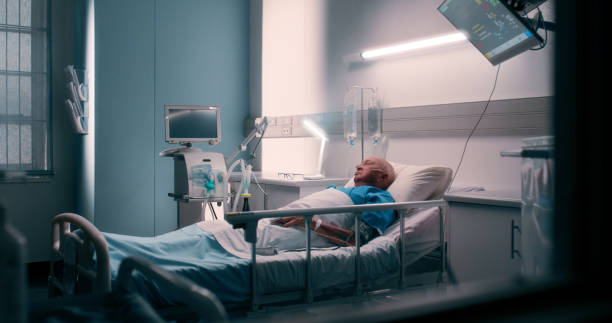
Each type of ICU tailors the use of stethoscopes to meet its specific patient care needs, from tiny newborns to critically injured adults.
By understanding the unique demands of each ICU, you can see how stethoscopes adapt to support the diverse needs of critically ill patients.
Advantages and Disadvantages of Stethoscopes
Stethoscopes are versatile, but like any tool, they have pros and cons. Here’s a breakdown:
| Advantages | Disadvantages |
| Easy to carry and use | Can spread bacteria if not cleaned properly |
| Provides real-time information | Sound quality may vary based on the brand |
| Non-invasive and safe | Limited accuracy compared to advanced imaging |
| Affordable for most hospitals | Requires practice in interpreting sounds clearly |
A high-quality life care stethoscope can help improve sound clarity, making it easier to hear faint heart or lung sounds, especially in noisy ICU environments.
Hygiene Challenges in ICUs: Bacterial Contamination
One major issue with stethoscope use in ICUs is bacterial contamination. Studies have shown that stethoscopes can harbor harmful bacteria if not cleaned properly. This can lead to infections, especially in critically ill patients with weakened immune systems.
How to Keep Stethoscopes Clean in ICUs?
To ensure patient safety, you should:
- Clean After Each Use: Use alcohol wipes to disinfect the diaphragm and earpieces.
- Avoid Sharing: Assign each staff member their stethoscope.
- Use Disposable Covers: These can be placed on the diaphragm and replaced after each use.
Making stethoscope hygiene a part of the intensive care unit job description can significantly reduce the risk of infection.
The Role of Stethoscopes in the Health Care System
Stethoscopes are one of the most recognizable tools in the health care system lecture on diagnostics. They are cost-effective and don’t require electricity or a complex setup. Unlike advanced imaging tools like X-rays or CT scans, stethoscopes provide immediate results.
They allow doctors to make quick decisions, especially in emergencies. For instance, if a patient suddenly struggles to breathe, a stethoscope can confirm if the issue is in the lungs or elsewhere.
Types of Stethoscopes: Which One Is Right for You?
Not all stethoscopes are the same. Choosing the right one depends on the type of ICU work you do. Here are the main types:
- Acoustic Stethoscopes: The most common type, ideal for general use.
- Electronic Stethoscopes: Amplifies sound, great for noisy environments.
- Pediatric or Neonatal Stethoscopes: Designed for babies, with smaller diaphragms.
- Littmann Stethoscopes: High-quality and reliable, popular among ICU staff.
Understanding the differences can help you select the best stethoscope for your needs.
How Stethoscopes Benefit Intensive Care Patients?
Stethoscopes save lives by helping doctors catch problems early. They are also non-invasive, so patients don’t need to worry about pain or discomfort during an exam. With stethoscopes, you can:
- Monitor a patient’s progress daily.
- Detect issues before they become severe.
- Make informed decisions quickly.
These benefits make stethoscopes irreplaceable in ICUs.
Conclusion: Stethoscopes as Lifelines in ICUs
Stethoscopes are more than just tools; they are lifelines in the fast-paced world of intensive care units. They help doctors and nurses monitor patients, detect problems, and make critical decisions.
While they have some challenges, like the risk of bacterial contamination, proper care and hygiene practices can address these issues. By understanding the advantages and disadvantages of stethoscopes and their role in different types of intensive care units, you can see why they remain so important.
Whether you’re a healthcare professional or a student learning about the healthcare system, stethoscopes are tools you can rely on to save lives.