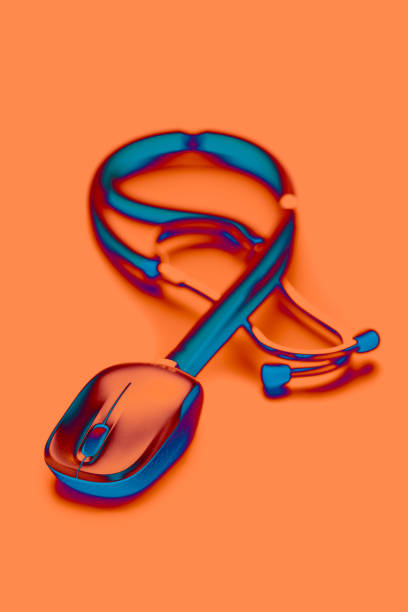
Stethoscopes are one of the most recognizable tools in healthcare. You’ve likely seen a doctor wearing one around their neck, but do you know the fun facts about stethoscopes? From its history to how it works, here’s everything you need to know about stethoscopes.
What Is a Stethoscope?
A stethoscope is a medical device used by healthcare professionals to listen to sounds inside your body. These sounds, like your heartbeat, breathing, and blood flow, help diagnose health problems. Stethoscopes may look simple, but they play a big role in keeping you healthy.
The History of the Stethoscope
- Invented Over 200 Years Ago: René Laennec, a French doctor, invented the stethoscope in 1816. Before that, doctors used their ears to listen directly to the chest, which wasn’t very effective.
- First Design: The first stethoscope was a wooden tube that looked more like a musical instrument than a medical tool.
- Modern Stethoscopes: Today’s stethoscopes have flexible tubing, advanced materials, and even digital features to improve sound quality.
| Year | Stethoscope Type | Key Features |
| 1816 | Wooden Tube | Basic sound amplification |
| 1851 | Flexible Tubing Added | Easier to use, better sound |
| Present Day | Digital Stethoscopes | Noise-canceling, sound recording |
Fun Facts About Stethoscopes

1. Stethoscopes Have Many Types
Did you know there are different stethoscopes for different uses?
- Adult Stethoscopes: These are designed for general medical exams.
- Pediatric Stethoscopes: These are smaller and used for children.
- Veterinary Stethoscopes: These are larger and designed for animals.
2. They Amplify Body Sounds
Some modern stethoscopes can amplify sounds up to 20 times! This helps doctors hear even the faintest sounds in your body.
3. They Are a Symbol of Medicine
When you think of a doctor, you probably imagine them with a stethoscope around their neck. It has become a symbol of trust, care, and expertise in healthcare.
4. They Can Be Customized
Healthcare workers can personalize their stethoscopes with engravings, colors, or special designs. It’s a way for them to add personality to their everyday tools.
5. They Are More Advanced Than Ever
Digital stethoscopes now include features like sound recording, noise reduction, and even Bluetooth connectivity. These tools are great for teaching and sharing medical information.
How Does a Stethoscope Work?
A stethoscope might seem like a simple device, but it’s very clever. It has three main parts:
- Chest Piece: This part touches your body and picks up the sounds.
- Flexible Tubing: The tubing carries the sound from the chest piece to the earpieces.
- Earpieces: These go into the doctor’s ears so they can hear the sounds.
Comparing Digital vs Traditional Stethoscopes
Digital stethoscopes and traditional stethoscopes both serve the same purpose, but they work differently. Here’s how they compare:
| Feature | Traditional Stethoscope | Digital Stethoscope |
| Amplification | Natural sound | Amplifies sound significantly |
| Noise Cancellation | None | Advanced noise-canceling features |
| Cost | Affordable | More expensive |
| Recording | Not possible | Can record and save sounds |
Why Are Stethoscopes Important?
Stethoscopes are more than just tools—they’re lifesavers. Here’s why they matter:

- Detect Health Issues Early: Doctors use stethoscopes to catch signs of illnesses, like heart murmurs or lung problems, before they get worse.
- Non-Invasive Testing: Unlike scans or blood tests, a stethoscope lets doctors check your health without any discomfort.
- Everyday Use: Nurses, paramedics, and even veterinarians use stethoscopes every day to care for patients and animals.
Amazing Facts About Stethoscope Use
- Used Worldwide: Millions of healthcare professionals rely on stethoscopes daily.
- Vital in Emergencies: Paramedics use them to quickly assess patients during emergencies.
- Educational Tool: Medical students use stethoscopes to learn about the sounds of a healthy body versus a sick one.
Conclusion
Stethoscopes may seem like simple tools, but they have a fascinating history and play an important role in healthcare. From their wooden beginnings to the advanced digital models we see today, stethoscopes have evolved into an essential part of modern medicine. Next time you visit the doctor, you’ll know there’s a lot more to the stethoscope than meets the eye!
Would you like to learn more about medical tools and their history? Let us know in the comments below!