
The stethoscope has been a trusted tool for doctors for over two centuries. It helps listen to heartbeats, lungs, and other body sounds. However, with modern advancements, smart sensors and digital stethoscopes are changing the game in healthcare. But does this mean the stethoscope is on its way out? Let’s explore this question and see how smart sensors replace traditional stethoscopes.
What Are Smart Sensors, and How Do They Work?
Smart sensors are advanced devices that collect, process, and share data about your health. Unlike traditional tools, they can detect even tiny changes in your body and provide real-time information. These sensors are often used in digital stethoscopes, wearable patches, and other healthcare devices.
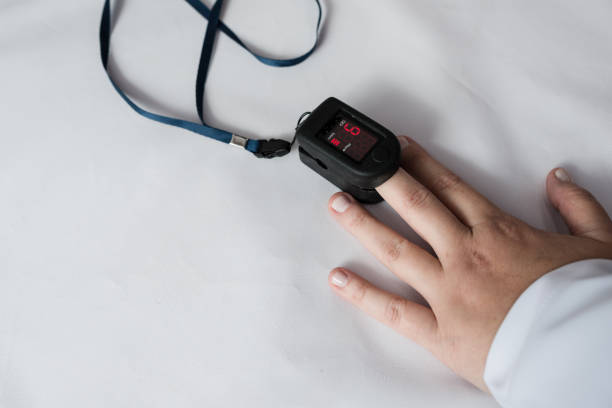
How Smart Sensors Work
- Data Collection: Sensors pick up signals from your body, such as heartbeats, breathing patterns, or movement.
- Data Conversion: They turn these signals into digital data, making it easier to analyze.
- Processing: Smart algorithms, sometimes powered by AI, interpret the data to provide insights.
- Communication: The device sends this information to a doctor’s computer or smartphone for further analysis.
For example, in a digital stethoscope, smart sensors amplify body sounds, filter out background noise, and even record the data. This improves the accuracy of diagnoses and allows doctors to consult specialists remotely.
Smart sensors aren’t just tools—they’re game-changers in healthcare. They make diagnosing and monitoring health faster, more accurate, and more accessible.
Digital Stethoscopes vs. Traditional Stethoscopes
Let’s take a closer look at how these two compare.
| Feature | Traditional Stethoscope | Digital Stethoscope |
| Sound Quality | Relies on natural hearing | Amplifies and filters sounds |
| Recording Capability | None | Records sound for later use |
| Remote Use | Must be used in person | Works with telemedicine |
| Ease of Use | Simple | Requires some training |
| Cost | Affordable | More expensive |
Traditional stethoscopes are lightweight and easy to carry. On the other hand, digital stethoscopes offer advanced features like sound recording and filtering. While they can’t fully replace traditional tools yet, they offer exciting possibilities for modern healthcare.
What Are Electronic Stethoscope Projects?
Electronic stethoscope projects focus on upgrading the traditional stethoscope by combining it with advanced technology like artificial intelligence (AI), smart sensors, and sound amplification systems. These projects aim to improve the accuracy of diagnostics, enhance usability, and support remote healthcare.
Goals
- Improved Sound Quality: Amplify and filter heart and lung sounds to make them clearer.
- Data Recording and Sharing: Allow doctors to save, review, and share sound recordings for better analysis.
- Integration with AI: Use algorithms to detect abnormalities like heart murmurs or respiratory issues automatically.
- Remote Monitoring: Enable telemedicine by letting doctors evaluate patients from anywhere.
Examples of Innovative Projects
1. Digital Stethoscope with AI Integration
Some projects focus on building stethoscopes that not only record sounds but also analyze them using AI. For instance, these devices can differentiate between normal and abnormal heart rhythms and alert doctors instantly.
2. Piezoelectric Stethoscope
A key development is the piezoelectric stethoscope, which uses sensors to turn sound vibrations into electrical signals. This allows precise sound detection, even in noisy environments like ambulances or busy hospitals.
3. Cloud-connected stethoscopes
Other projects aim to connect stethoscopes to the cloud. Doctors can upload recordings and consult with specialists anywhere in the world, improving collaboration and diagnostic accuracy.
Benefits of Smart Sensors and Digital Stethoscopes
Smart devices bring several advantages to the table, making them more than just a fancy upgrade. Here’s why they are becoming popular:
- Improved Diagnostic Accuracy: Smart sensors can amplify and filter sounds, helping doctors hear subtle abnormalities. This reduces the chances of missing a critical diagnosis.
- Data Storage and Sharing: Digital stethoscopes store sound recordings, which can be shared with specialists. This makes second opinions quicker and easier.
- Remote Healthcare: With smart stethoscopes, doctors can check patients remotely. This is especially useful for people in rural areas or those who can’t visit hospitals often.
- Patient Comfort: Smart patches or wearable sensors are non-invasive and easy to use. They don’t require constant checkups, which helps patients feel more relaxed.
Challenges of Replacing Traditional Stethoscopes
Even though smart devices are powerful, they come with a few challenges:

- Cost: Digital stethoscopes and sensors are expensive compared to traditional ones. Not all hospitals or clinics can afford them.
- Learning Curve: Doctors and nurses need training to use these tools properly.
- Battery Dependency: Unlike a traditional stethoscope, digital tools need charging. If the battery dies, it becomes useless in emergencies.
Traditional stethoscopes are also symbolic. For many, they represent a doctor’s connection with patients.
Can a Smart Patch Replace a Stethoscope?
You may wonder, “What about smart patches?” Some researchers believe that patches with sensors could one day replace stethoscopes. These patches stick to your body and constantly monitor your heart and lungs. They provide real-time data without needing a doctor to listen.
However, patches and stethoscopes serve different purposes. While patches are excellent for long-term monitoring, stethoscopes are better for quick, in-person evaluations. Together, they create a more complete healthcare experience.
The Future: Will Smart Sensors Fully Replace Stethoscopes?
It’s unlikely that smart sensors will fully replace stethoscopes anytime soon. Instead, these two tools will work together to improve healthcare. Doctors might use smart devices for advanced analysis and traditional stethoscopes for simple, on-the-spot checkups.
As technology advances, we may see more hospitals adopting digital stethoscopes and other smart devices. However, the simplicity and reliability of traditional stethoscopes mean they’ll continue to have a place in healthcare for years to come.
Conclusion
So, will smart sensors replace traditional stethoscopes? Not completely—but they are making healthcare smarter and more effective. Digital stethoscopes and tools like the piezoelectric stethoscope offer better diagnostics, data sharing, and remote care options. However, the simplicity and affordability of traditional stethoscopes ensure they remain essential in everyday healthcare.
The future of medicine is exciting, with both smart sensors and traditional tools playing key roles. Whether you’re a healthcare professional or a curious patient, these advancements promise better care for everyone.