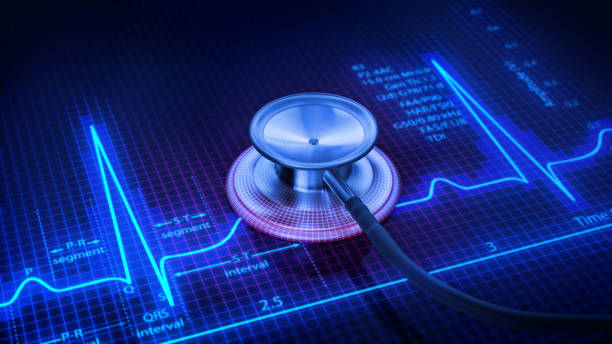
When you think of a stethoscope, you might picture a simple tool doctors use to listen to your heartbeat. But today stethoscopes are getting a high-tech upgrade! A high tech stethoscope is changing the way doctors diagnose and treat patients. These advanced devices are smarter, faster, and more accurate than ever before.
In this article, we’ll explore how high-tech stethoscopes work, why they’re important, and how they’re making a difference in places like the Philippines. Let’s dive in!
What is a high-tech stethoscope?
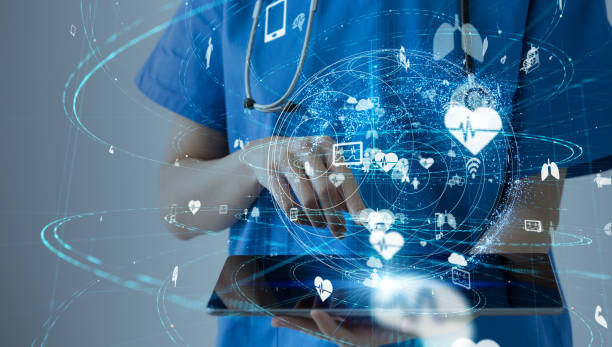
A high-tech stethoscope is not your ordinary medical tool. It combines traditional listening features with modern technology like artificial intelligence (AI), Bluetooth connectivity, and digital sound amplification. These features help doctors hear even the faintest sounds in your body, making diagnoses more precise.
For example, some high-tech stethoscopes can record heartbeats and send the data to a smartphone app. This allows doctors to analyze the information in real-time or share it with specialists for further review.
Why are high-tech stethoscopes important?
High-tech stethoscopes are a game-changer in healthcare. Here’s why:
- Better Accuracy: They can detect subtle heart or lung issues that traditional stethoscopes might miss.
- Faster Diagnoses: With AI, doctors can quickly identify problems and start treatment sooner.
- Remote Monitoring: Patients in remote areas can get expert care without traveling long distances.
In countries like the Philippines, where access to healthcare can be challenging in rural areas, high-tech stethoscopes are making a big impact. For instance, doctors in Manila are using these devices to monitor patients in far-off villages through telemedicine.
How Do High Tech Stethoscopes Compare to Traditional Ones?
Let’s compare traditional and high-tech stethoscopes to see how they stack up:
| Feature | Traditional Stethoscope | High-Tech Stethoscope |
| Sound Quality | Basic | Enhanced with amplification |
| Data Recording | Not available | Records and stores data |
| Connectivity | None | Bluetooth and app integration |
| Cost | Affordable | More expensive |
While high-tech stethoscopes are pricier, their advanced features make them worth the investment for many healthcare providers.

High-Tech Stethoscopes in the Philippines
The Philippines is a country with over 7,000 islands, making healthcare access difficult in many areas. High-tech stethoscopes are helping bridge this gap.
For example, doctors in urban centers like Manila are using these devices to connect with patients in remote provinces. Through telemedicine, they can listen to heartbeats, analyze data, and provide advice without the patient needing to travel.
This technology is especially helpful during emergencies, like natural disasters, when getting to a hospital might be impossible. High-tech stethoscopes ensure that patients still receive quality care, no matter where they are.
Benefits of High-Tech Stethoscopes
Here are some key benefits of using high-tech stethoscopes:
- Improved Patient Care: Doctors can catch health issues early, leading to better outcomes.
- Time-saving: Faster diagnoses mean quicker treatment.
- Accessibility: Remote areas can receive expert care through telemedicine.
- Data Sharing: Doctors can easily share patient data with specialists for second opinions.
Challenges of High-Tech Stethoscopes
While high-tech stethoscopes offer many advantages, there are some challenges too:
- Cost: These devices are more expensive than traditional stethoscopes.
- Training: Doctors and nurses need to learn how to use the new technology.
- Maintenance: High-tech devices require regular updates and care.
Despite these challenges, the benefits often outweigh the drawbacks, especially in improving patient care.
The Future of High-Tech Stethoscopes
The future looks bright for high-tech telescopes. As technology advances, these devices will become even more powerful. For example, future models might include AI-powered diagnostics that can predict health issues before symptoms appear.
In the Philippines and other developing countries, high-tech stethoscopes could play a key role in improving healthcare access. With more funding and training, these devices could become a standard tool for doctors everywhere.

Conclusion
High-tech stethoscopes are revolutionizing healthcare by making diagnoses faster, more accurate, and more accessible. From urban hospitals in Manila to remote villages in the Philippines, these devices are helping doctors provide better care to patients.
While they come with challenges like cost and training, the benefits are undeniable. As technology continues to evolve, high-tech stethoscopes will only get better, ensuring a healthier future for everyone.
So, the next time you see a stethoscope, remember—it’s not just a simple tool anymore. It’s a high-tech device that saves lives every day!