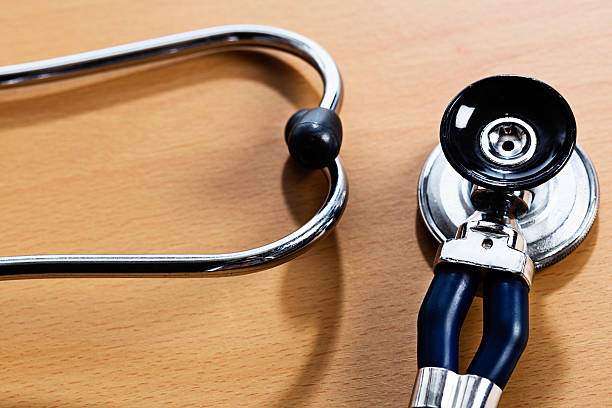
Stethoscopes in Medical Diagnosis are one of the most recognizable tools in healthcare. For centuries, they have helped doctors listen to the internal sounds of the body and make accurate diagnoses. Despite technological advances, stethoscopes remain essential in both modern hospitals and rural clinics. In this article, you’ll explore their importance, types, uses, and even their role in the Philippines’ healthcare system.
What Is a Stethoscope and How Does It Work?
A stethoscope is a simple device with three main parts:
- Earpieces: These fit snugly in the doctor’s ears to block outside noise.
- Tubing: Flexible and hollow, it carries sound from the patient’s body to the doctor’s ears.
- Chest Piece: This part has a diaphragm and bell that pick up high and low-frequency sounds.
How It Works
When a doctor places the chest piece on your body, vibrations from internal organs like the heart or lungs travel through the tubing to the earpieces. This lets the doctor hear and interpret sounds such as heartbeats, breath patterns, or bowel movements.
Why Are Stethoscopes So Important?
Stethoscopes are not just diagnostic tools; they’re also symbols of trust in medicine. They allow doctors to:

- Detect early signs of disease (e.g., abnormal heart rhythms or lung infections).
- Monitor patients without the need for expensive machines.
- Perform quick and effective examinations in emergencies.
In rural areas of the Philippines, where access to advanced technology is limited, stethoscopes are especially valuable. They help doctors and community health workers diagnose conditions like pneumonia or heart disease on the spot, saving lives.
How Are Stethoscopes Used in Diagnosis?
Doctors use stethoscopes to listen to specific sounds that reveal a patient’s health status. Here’s a closer look:
| Organ/Area | What Doctors Listen For | Potential Diagnosis |
| Heart | Irregular rhythms, murmurs | Heart valve problems or arrhythmia |
| Lungs | Wheezing, crackles, or diminished sounds | Asthma, bronchitis, or pneumonia |
| Abdomen | Reduced or absent bowel sounds | Intestinal blockages or infections |
| Blood Vessels | Turbulent sounds (bruits) | Narrowed arteries |
For example, a doctor in a remote Filipino village might use a stethoscope to detect pneumonia in children—a common cause of death in low-resource areas. Early detection can lead to timely treatment with antibiotics.
Types of Stethoscopes and Their Applications
Stethoscopes come in various types, each designed for specific purposes. Here’s a detailed breakdown:
| Type | Features | Best Use Case |
| Acoustic Stethoscope | Traditional; relies on sound amplification | Routine check-ups and basic exams |
| Electronic Stethoscope | Amplifies sound digitally, reduces noise | Complex diagnoses, telemedicine use |
| Pediatric Stethoscope | Smaller chest pieces for young patients | Listening to infant or toddler heart/lungs |
| Cardiology Stethoscope | Highly sensitive; detects faint heart sounds | Identifying heart murmurs or arrhythmias |
| Fetal Stethoscope | Shaped like a trumpet to hear fetal heartbeats | Monitoring pregnancies in prenatal care |
For example in the Philippines
In urban hospitals like those in Manila, electronic stethoscopes are gaining popularity because they allow doctors to record and share findings with specialists. In contrast, acoustic stethoscopes remain the go-to tool in remote provinces due to their affordability and durability.
Modern Innovations in Stethoscopes
Stethoscopes have evolved significantly over the years. Modern electronic versions now come with features like:
- Sound Amplification: Makes faint sounds louder, helping in difficult diagnoses.
- Digital Recording: Allows doctors to save and review patient sounds later.
- Smart Integration: Some stethoscopes connect to apps for sound analysis, which is helpful in education and remote consultations.
In the Philippines, such innovations are being gradually introduced in advanced hospitals. However, the affordability of traditional models ensures they remain widely used in public health settings.
The Role of Stethoscopes in the Philippines
1. Addressing Rural Healthcare Challenges
The Philippines’ archipelago structure creates challenges in healthcare delivery. Rural health units often rely on portable and cost-effective tools like stethoscopes to provide care. For example:
- Health workers use them in barangay health stations to detect diseases like tuberculosis or heart conditions.
- Midwives rely on fetal stethoscopes to monitor pregnancies in remote areas.

2. Emergency Situations
During typhoons and other natural disasters common in the Philippines, stethoscopes are essential in mobile clinics. They help assess patients quickly in disaster-hit areas.
How Stethoscopes Compare to Advanced Medical Equipment
While advanced machines like CT scanners or ECGs provide detailed results, stethoscopes are:
- Affordable: Costing a fraction of high-tech devices.
- Portable: Easy to carry anywhere.
- Quick: Ideal for fast, bedside assessments.
| Tool | Advantages | Disadvantages |
| Stethoscope | Affordable, portable, quick | Limited detail for complex issues |
| ECG Machine | Provides precise heart readings | Expensive, non-portable |
| Imaging Tools | Gives in-depth visuals (e.g., CT) | Requires trained operators, costly |
This comparison highlights why stethoscopes remain crucial, especially in areas like the Philippines, where resources may be limited.
Conclusion: The Timeless Value of Stethoscopes
The role of stethoscopes in medical diagnosis goes beyond simple check-ups. They’re a symbol of care, trust, and efficiency in medicine. Whether it’s a cardiologist in New York diagnosing a murmur or a rural health worker in the Philippines identifying pneumonia, this tool continues to save lives.
Stethoscopes bridge the gap between technology and accessibility, making healthcare possible for everyone, everywhere. Next time you see a doctor with a stethoscope, remember how this simple tool has shaped modern medicine.