
Stethoscopes are essential tools for physical therapists, helping them assess how patients respond to movement and physical activity. While traditionally associated with doctors and nurses, physical therapists also rely on stethoscopes to monitor breathing, heart function, and circulation during therapy sessions. In this article, you’ll learn about the benefits, features, and practical applications of stethoscopes for physical therapists, including their impact in the Philippines.
Why Do Physical Therapists Need Stethoscopes?
Physical therapists often work with patients recovering from injuries, surgeries, or chronic conditions. Many of these conditions, such as cardiovascular or respiratory issues, can impact how the body handles physical exertion. A stethoscope helps you:
- Monitor Heart Rate and Rhythm: Detect irregular heartbeats or signs of strain during exercises.
- Assess Breathing Patterns: Listen for wheezing, shortness of breath, or abnormal lung sounds to adjust therapy intensity.
- Check Circulation: Evaluate blood flow in extremities, especially for patients with conditions like diabetes or peripheral artery disease.
These assessments provide critical information to personalize therapy plans and ensure safety during physical activities.
Key Features to Look for in a Stethoscope
As a physical therapist, your stethoscope should meet specific needs related to movement assessment. Here are the essential features:

| Feature | Importance |
| Lightweight Design | Easy to carry during therapy sessions and reduce neck strain. |
| Durable Construction | Ensures long-term use, even in busy practices. |
| High Acoustic Sensitivity | Allows you to detect subtle changes in heart and lung sounds. |
| Comfortable Earpieces | Ensures you can use it for extended periods without discomfort. |
| Versatility | Adaptable for different patient types, from children to adults. |
Popular Stethoscope Models for Physical Therapists
Here are some stethoscopes commonly used by physical therapists:
| Brand | Key Features | Best Use |
| Littmann Classic III | Dual diaphragm, excellent acoustics | Ideal for general patient evaluations. |
| MDF ProCardial Titanium | Lightweight, durable, clear sound | Great for therapists who travel frequently. |
| ADC Adscope 615 | Affordable, good sound quality | Budget-friendly for new therapists. |
How Physical Therapists Use Stethoscopes
Stethoscopes are particularly useful during therapy sessions to evaluate how a patient’s body reacts to movement. Here are the common applications:
- Monitoring Heart Rate: Before, during, and after physical exercises, you can use a stethoscope to track heart rate and detect irregularities. For example, if a patient shows signs of arrhythmia, you may need to pause or modify their therapy.
- Assessing Lung Sounds: Lung sounds reveal a lot about how your patient is tolerating physical exertion. Wheezing or crackles may indicate the need to slow down or stop the session to avoid complications.
- Evaluating Circulation: Using a stethoscope, you can check blood flow in limbs, especially for patients recovering from vascular surgeries or those with diabetic complications.
- Ensuring Postural Safety: For patients with respiratory conditions, monitoring their breathing while practicing posture or mobility exercises helps you adjust the intensity of their movements.
The Role of Stethoscopes in the Philippines
In the Philippines, healthcare accessibility varies widely between urban and rural areas. Physical therapists in cities like Manila or Cebu often have access to advanced facilities, but in rural regions, stethoscopes are indispensable tools. They provide a simple and cost-effective way to evaluate patients who might not have access to more expensive diagnostic equipment.
Filipino physical therapists often use stethoscopes to assess cardiovascular and respiratory conditions in patients undergoing rehabilitation. With affordable healthcare solutions being a priority in the Philippines, stethoscopes help bridge the gap in resource-limited settings.
How to Choose the Right Stethoscope for Your Practice
When selecting a stethoscope, consider your specific practice needs. Here’s a step-by-step guide:
- Determine Your Budget: High-quality models like Littmann are excellent but may be expensive for beginners. Brands like ADC offer reliable and affordable options.
- Choose Based on Use: If you frequently monitor cardiovascular or respiratory conditions, prioritize acoustic sensitivity.
- Check Comfort: Look for soft-sealing earpieces to avoid discomfort during long therapy sessions.
- Think Portability: A lightweight model is crucial if you work in multiple locations or visit patients at home.
Tips for Effective Stethoscope Use
Here are some tips to get the most out of your stethoscope:
- Keep It Clean: Regularly disinfect your stethoscope to prevent infections.
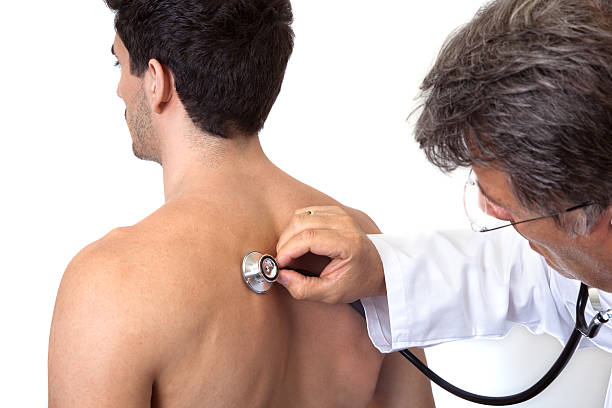
- Use Proper Technique: Ensure the chest piece is positioned correctly for clear sound.
- Practice in Quiet Spaces: Minimize background noise to hear subtle changes in heart or lung sounds.
- Adjust for Each Patient: Check for comfort and fit, especially when working with pediatric or elderly patients.
Comparing Methods: Manual vs. Digital Stethoscopes
| Feature | Manual Stethoscopes | Digital Stethoscopes |
| Sound Quality | Good for basic use | Enhanced sound amplification |
| Price | Affordable | Expensive |
| Ease of Use | Simple and straightforward | May require training |
| Best For | General evaluations | Complex cases needing detailed analysis |
Conclusion: Why Stethoscopes Matter for Physical Therapists
Stethoscopes are more than just tools—they’re a lifeline for ensuring patient safety and optimizing treatment outcomes. For physical therapists, they provide invaluable insights into how the body responds to movement. Whether you’re practicing in the Philippines or elsewhere, investing in the right stethoscope can significantly enhance your ability to deliver quality care.
Start by choosing a stethoscope that fits your needs, budget, and practice setting. With the right tools and techniques, you’ll be better equipped to help your patients recover safely and efficiently.
Let your stethoscope be a small tool with a big impact!