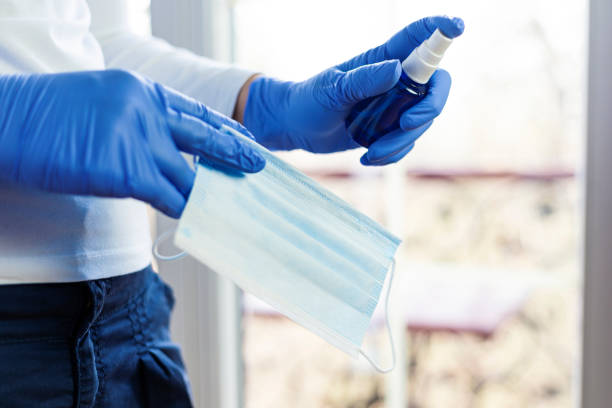
Sterilizing Your Stethoscope is essential for every healthcare professional to ensure the safety of both patients and yourself. It prevents the spread of bacteria and viruses, making your stethoscope a safer tool in your daily practice. To protect your patients and yourself, it’s important to clean and sterilize your stethoscope regularly. In this guide, we’ll explain when and how to sterilize your stethoscope in detail, including practical tips tailored to humid environments like the Philippines.
Why Sterilizing Your Stethoscope is Crucial
Your stethoscope touches multiple surfaces throughout the day. Patients’ skin, clothing, and even bodily fluids can transfer microbes to their surfaces. Without proper sterilization, it can contribute to the spread of hospital-acquired infections (HAIs).
In humid environments, like those often found in the Philippines, bacteria and fungi thrive. This makes regular cleaning and proper storage even more essential to prevent microbial growth.
When to Sterilize Your Stethoscope?
Proper timing is critical for stethoscope hygiene. Below is a detailed table summarizing when to clean and sterilize your stethoscope:
| Situation | Action Needed | Frequency |
| After patient contact | Wipe the diaphragm, bell, and tubing | Immediately after each use |
| Shift end | Thorough cleaning | At the end of every shift |
| Exposure to bodily fluids | Full sterilization | Immediately |
| Weekly maintenance | Disassemble and clean thoroughly | Once a week |
| During outbreaks (e.g., flu) | Sterilize before and after each use | Extra precautions as needed |
How to Sterilize Your Stethoscope
1. Quick Daily Cleaning
This ensures that bacteria don’t accumulate after each use.
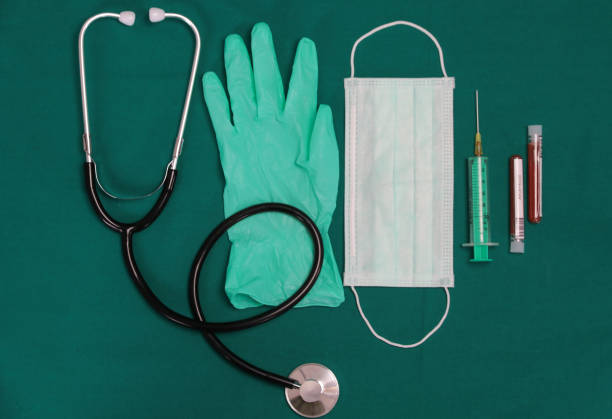
- What You’ll Need:
- 70% isopropyl alcohol wipes (recommended for disinfection).
- Soft, lint-free cloth (for wiping after disinfection).
- Steps to Follow:
- Take an alcohol wipe and gently clean the diaphragm and bell of the stethoscope.
- Wipe the tubing to remove any dirt or oils transferred from your hands or skin.
- Let it air dry for a few seconds before using it again.
2. Weekly Deep Cleaning
A more thorough cleaning is necessary to maintain hygiene.
- What You’ll Need:
- Mild soap or detergent.
- Warm water.
- Isopropyl alcohol wipes.
- Steps to Follow:
- Disassemble the Stethoscope: Remove the diaphragm cover and separate any removable parts.
- Clean Each Component:
- Use a cloth dipped in soapy water to clean the tubing and chest piece.
- Avoid submerging the stethoscope in water.
- Sterilize the Chest Piece: Wipe the diaphragm and bell with alcohol wipes to kill any bacteria.
- Dry and Reassemble: Let all parts air dry completely before putting them back together.
3. Advanced Sterilization Techniques
For special situations, such as after exposure to infectious diseases, stronger methods may be required.
- UV Sterilizers: Portable UV sterilizers can effectively kill bacteria and viruses on your stethoscope. These are especially useful in tropical climates like the Philippines, where microbes can grow rapidly.
- Medical-Grade Disinfectants: Use EPA-approved disinfectants for healthcare settings. Ensure the product is safe for stethoscope materials.
Common Mistakes to Avoid
- Using Harsh Chemicals: Bleach and similar products can damage the tubing and chest piece.
- Submerging in Water: This can cause internal damage, especially to the tubing.
- Skipping Regular Cleaning: Even if the stethoscope looks clean, invisible bacteria may still be present.
Best Practices for Stethoscope Hygiene
- Use Disposable Covers: These are helpful during infectious disease outbreaks.
- Inspect for Wear and Tear: Cracked tubing or a damaged diaphragm can harbor bacteria and should be replaced.
- Store it Correctly: In humid places like the Philippines, store your stethoscope in a clean, dry case to prevent mold or bacterial growth.
Special Considerations for the Philippines
Healthcare workers in the Philippines often face unique challenges due to the tropical climate. Here are some additional tips:
- Humidity Management: Use silica gel packs in your stethoscope case to reduce moisture.
- Frequent Cleaning: Increase the frequency of cleaning during the rainy season, when humidity is at its peak.
- Safe Storage: Avoid leaving your stethoscope in hot or humid environments, such as inside a car or near a window.
Comparison of Cleaning Methods
| Method | Effectiveness | Ease of Use |
| Alcohol Wipes | High | Very easy |
| Mild Soap and Water | Moderate | Easy but time-consuming |
| UV Sterilization | High | Requires special equipment |
| Disposable Covers | Preventative, not cleaning | Very easy |
Conclusion
Sterilizing your stethoscope is vital for preventing the spread of infections and ensuring safe patient care. Clean it after every use, perform weekly deep cleans, and consider advanced sterilization techniques when needed.
For healthcare workers in the Philippines, proper cleaning combined with humidity management can protect your patients and extend the life of your stethoscope. With these tips, you can ensure your stethoscope stays clean, effective, and ready for use.