Your stethoscope is one of the most frequently used tools in healthcare, but it can also be a carrier of harmful germs. Proper cleaning and disinfection are critical for preventing the spread of infections between patients and healthcare providers. This guide provides detailed steps, comparisons, and practical tips for disinfecting your stethoscope to keep your stethoscope clean, effective, and safe.
Why Is Disinfecting Your Stethoscope Essential?
Stethoscopes come into direct contact with a patient’s skin, which can harbor bacteria, viruses, and other pathogens. Research shows that stethoscope diaphragms and tubing can become contaminated with microorganisms like:
- Methicillin-resistant Staphylococcus aureus (MRSA)
- Clostridium difficile (C. diff)
- Escherichia coli (E. coli)
Without regular disinfection, your stethoscope can contribute to hospital-acquired infections (HAIs). Disinfecting your stethoscope between patient visits minimizes this risk and promotes safer healthcare practices.
Step-by-Step Guide: How to Disinfect Your Stethoscope
Follow these detailed steps to ensure proper disinfection of your stethoscope.
1. Gather Your Supplies
Before you begin, collect the necessary items:
- 70% isopropyl alcohol wipes (preferred for disinfection).
- A soft cloth or microfiber towel for drying.
- Gloves (optional for personal protection).
2. Disinfect the Diaphragm
The diaphragm is the part of the stethoscope that touches the patient. Use these steps:
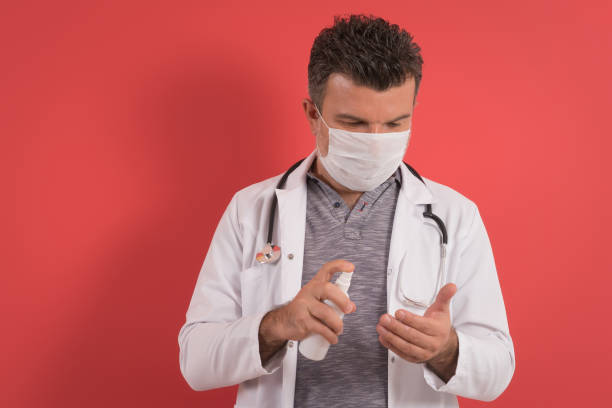
- Take an alcohol wipe and gently clean the diaphragm in a circular motion.
- Make sure to reach the edges where dirt can accumulate.
3. Clean the Tubing
The tubing also collects germs from frequent handling.
- Wipe the tubing from end to end with an alcohol wipe.
- Avoid harsh scrubbing to prevent damage to the material.
4. Dry Thoroughly
After wiping, use a soft cloth to ensure no moisture remains. Excess liquid can degrade the tubing or damage internal components.
5. Perform Regular Deep Cleaning
- Use soap and water occasionally to remove visible dirt.
- For deep cleaning in hospital settings, consider using UV light sanitizers or specialized cleaning solutions.
Comparing Disinfection Methods
Here’s a comparison of common stethoscope cleaning methods to help you choose the most effective one:
| Method | Effectiveness | Use Case |
| Alcohol Wipes | High | Best for everyday cleaning between patients |
| Soap and Water | Moderate | Good for visible dirt, requires thorough drying |
| UV Light Sanitizers | High | Ideal for hospital settings and deep cleaning |
| Disposable Stethoscope Covers | Moderate | Provides temporary protection for quick patient transitions |
Best Practices for Stethoscope Maintenance
To extend the life of your stethoscope and ensure patient safety, follow these maintenance tips:
- Clean After Every Use: Make it a habit to disinfect the diaphragm and tubing after each patient interaction.
- Avoid Harsh Chemicals: Never use bleach or acetone-based cleaners, as they can damage the materials.
- Inspect for Wear and Tear: Check for cracks in the tubing or damage to the diaphragm. Replace parts when necessary.
- Proper Storage: Keep your stethoscope in a clean, dry pouch or case when not in use.
Challenges and Practices in the Philippines
In the Philippines, where humidity levels are high, stethoscopes can quickly become a breeding ground for bacteria and fungi. Healthcare workers in tropical climates need to take extra care with:
- Daily Disinfection: Alcohol-based wipes are affordable and effective in removing germs and preventing moisture buildup.
- Storage in Humid Conditions: Use silica gel packets in your stethoscope case to reduce moisture.
- Hospital Guidelines: Many Philippine hospitals encourage regular disinfection training for staff to ensure compliance with infection prevention protocols.
Frequently Asked Questions
How often should you disinfect your stethoscope?
You should disinfect your stethoscope after every patient encounter. This prevents cross-contamination and ensures safety.
Can I use hand sanitizer to clean my stethoscope?
While hand sanitizer can kill germs, it’s not recommended for regular cleaning as it may damage the tubing over time. Use alcohol wipes instead.
What is the best disinfectant for stethoscopes?
70% isopropyl alcohol wipes are the most effective and widely recommended disinfectant for stethoscopes.
Conclusion: Disinfecting Your Stethoscope Matters
Disinfecting your stethoscope isn’t just about protecting your patients—it’s about creating a safer healthcare environment. By following these simple but effective cleaning practices, you minimize the spread of infections and prolong the life of your stethoscope.
In regions like the Philippines, where humidity can make germs thrive, regular disinfection is even more critical. Make this a daily routine to ensure your stethoscope remains a reliable, safe tool for delivering quality care. Start today and take one more step toward infection-free healthcare!