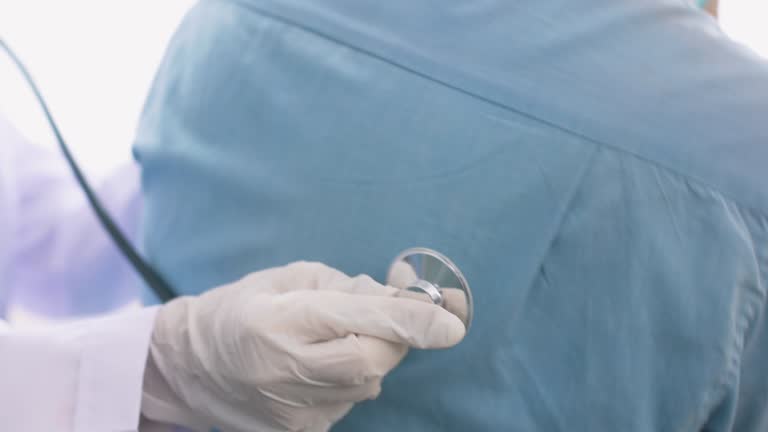
Stethoscopes are one of the most essential tools in healthcare. They allow you to listen to internal body sounds, like the heart, lungs, and blood flow. The acoustic performance in a stethoscope directly impacts how well you can detect subtle changes in a patient’s condition. High-quality acoustic performance ensures you don’t miss critical sounds, helping you make accurate diagnoses and provide better care.
Why Acoustic Performance Matters
The acoustic performance of a stethoscope is about how it transmits sound. If the sound quality is poor, you may not hear important details such as irregular heart rhythms, faint murmurs, or wheezing. Missing these signs could delay treatment or lead to misdiagnosis. A stethoscope with excellent acoustic performance provides:
- Clear Sound Transmission: Makes it easier to hear both low- and high-frequency sounds.
- Reduced Ambient Noise: Filters out external distractions, especially in noisy environments like hospitals.
- Confidence in Diagnosis: Ensures you can rely on what you hear for accurate assessments.
The Philippines: A Growing Hub for Healthcare Professionals
In the Philippines, where healthcare is rapidly advancing, the demand for high-quality stethoscopes is increasing. Many Filipino healthcare workers, known for their skill and dedication, rely on tools with superior acoustic performance to excel in their practice.

With hospitals and clinics often situated in bustling urban areas, stethoscopes with noise-canceling features are especially valuable. The dedication of Filipino professionals to patient care highlights the importance of investing in reliable medical equipment to meet their growing needs.
Key Factors That Affect Acoustic Performance
Several features influence how well a stethoscope performs acoustically. Let’s break them down:
| Feature | How It Affects Performance |
| Chest Piece Design | Dual-sided and tunable diaphragms allow you to hear both low and high frequencies more clearly. |
| Tubing Quality | Thick, latex-free tubing enhances sound conduction and blocks outside noise. |
| Diaphragm Material | High-quality diaphragms improve the transmission of sound vibrations. |
| Earpiece Fit | Comfortable and snug earpieces create a tight seal to prevent sound leakage. |
| Frequency Range | A wide range helps you detect both faint and loud sounds across different frequencies. |
Types of Stethoscopes and Their Acoustic Performance
There are several types of stethoscopes, each with unique strengths. Here’s a comparison to help you choose:
| Type | Best For | Acoustic Quality |
| Acoustic Stethoscope | General practitioners and routine exams | Good for basic heart and lung sounds. |
| Electronic Stethoscope | Amplifying faint sounds | Superior, with noise cancellation features. |
| Cardiology Stethoscope | Heart and vascular specialists | Excellent for high-precision sound. |
| Pediatric Stethoscope | Examining children and infants | Tuned for smaller bodies and softer sounds. |
| Fetal Stethoscope | Listening to fetal heartbeats | Specialized for low-frequency sounds. |
Electronic Stethoscopes
Electronic stethoscopes are ideal if you work in noisy environments or need to detect faint sounds. They amplify body sounds and often include features like Bluetooth for recording.
How to Choose a Stethoscope with Excellent Acoustic Performance
When selecting a stethoscope, prioritize acoustic performance. Here’s what to consider:
- Purpose: For general use, an acoustic or dual-diaphragm stethoscope works well. For cardiology, choose one with high sound sensitivity.
- Comfort: Ensure the earpieces fit snugly but comfortably. Poorly fitting earpieces can cause discomfort and sound leakage.
- Noise Reduction: High-quality tubing and diaphragms block ambient noise, making it easier to focus on patient sounds.
- Durability: Look for stethoscopes made of strong materials like stainless steel and non-latex tubing for long-term use.
- Testing: Always test the stethoscope before buying. Check for clear sound transmission across different frequencies.
Maintaining Acoustic Performance
To keep your stethoscope performing well, regular care is essential. Here’s a quick guide:
- Clean the Chest Piece: Wipe the diaphragm with alcohol after each use.
- Inspect the Tubing: Replace cracked or hardened tubing immediately.
- Replace Earpieces: Ensure they fit snugly and are free of debris.
- Store Properly: Avoid extreme temperatures or heavy pressure that could damage the tubing.
Common Acoustic Issues and Solutions

1. Weak or Faint Sound
- Cause: Loose earpieces or cracked tubing.
- Solution: Tighten earpieces and replace damaged tubing.
2. Ambient Noise Interference
- Cause: Low-quality materials or a poor seal.
- Solution: Use a stethoscope with noise-canceling features and check the earpiece fit.
3. Static or Distortion
- Cause: Dirt on the diaphragm or improper handling.
- Solution: Clean the diaphragm and handle it gently.
Conclusion: Why You Should Prioritize Acoustic Performance
The importance of acoustic performance in a stethoscope cannot be overlooked. Whether you’re diagnosing a heart condition or monitoring lung sounds, clear and accurate audio is essential for patient care. By choosing a stethoscope with excellent acoustic features and maintaining it well, you’ll ensure that you’re always ready to provide the best care possible.
Invest in a stethoscope that meets your needs, and it will serve as a reliable partner in your medical practice. If you’re unsure about which stethoscope is best for you, consult an expert or read reviews to make an informed decision.