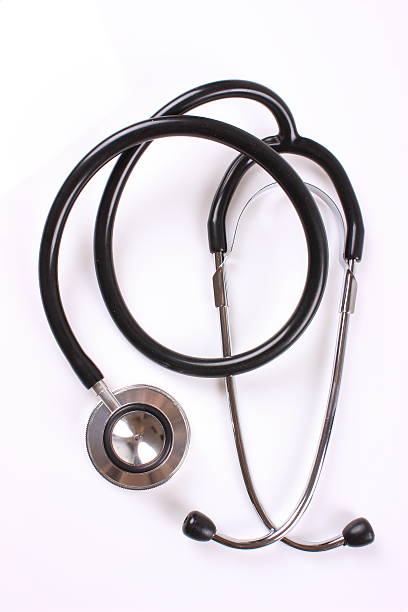
Choosing the right stethoscope is essential for healthcare professionals. It impacts your ability to hear vital sounds, make accurate diagnoses, and work comfortably. In this detailed guide, we’ll cover all the factors to consider when purchasing a stethoscope, along with comparisons, tips, and recommendations.
Factors to Consider When Buying a Stethoscope
1. Purpose of Use
Your specialty or field of practice determines the type of stethoscope you need. Here’s a breakdown:
- General Use Stethoscopes:
- Designed for routine exams and vital sign assessments.
- Suitable for nurses, medical students, and general practitioners.
- Example: 3M Littmann Classic III (versatile and lightweight).
- Pediatric Stethoscopes:
- Feature smaller chest pieces to fit infants and children.
- Enhanced acoustic capabilities for pediatric patients.
- Example: Littmann Pediatric Stethoscope.
- Cardiology Stethoscopes:
- Offer superior acoustic performance for detailed heart and lung sounds.
- Used by cardiologists and specialists.
- Example: 3M Littmann Cardiology IV (dual-lumen tubing and high sensitivity).
- Electronic Stethoscopes:
- Amplify sounds and often include recording capabilities.
- Ideal for telemedicine or users with hearing impairments.
- Example: Eko DUO ECG + Digital Stethoscope.
2. Acoustic Performance
Acoustic clarity is one of the most critical factors in selecting a stethoscope.
- Single vs. Dual Lumen Tubing:
- Single-lumen tubing: Common in basic models; adequate for general exams.
- Dual-lumen tubing: Reduces noise interference and improves sound quality.
- Chest Piece Material:
- Stainless steel offers better sound transmission than aluminum.
- A well-machined diaphragm enhances clarity for high and low frequencies.
- Bell and Diaphragm:
- Bell: Detects low-frequency sounds (e.g., heart murmurs).
- Diaphragm: Amplifies high-frequency sounds (e.g., lung crackles).

3. Comfort and Fit
A stethoscope must be comfortable for long shifts. Pay attention to:
- Earpieces:
- Soft-sealing ear tips prevent discomfort.
- Look for adjustable ear tips for a custom fit.
- Headset Design:
- Lightweight and adjustable headsets reduce pressure.
- Spring tension in the headset ensures a snug but not tight fit.
- Tubing:
- Flexible tubing prevents tangling and ensures durability.
- Look for non-latex materials if you have allergies.
4. Build Quality
Durability ensures your stethoscope lasts for years. Here’s what to consider:
- Materials:
- Stainless steel chest pieces are the most durable and acoustically superior.
- Non-latex tubing resists cracking and allergies.
- Finish:
- Look for anti-scratch and easy-to-clean finishes.
- Some stethoscopes come in various colors for personalization.
- Warranty:
- Check for warranties that cover repairs or replacements.
- High-end brands like Littmann often include extended warranties.
5. Specialized Features
Advanced stethoscopes offer features that enhance functionality:
- Noise Reduction:
- Helps in noisy clinical settings.
- Found in premium models like Littmann Master Cardiology.
- Electronic Amplification:
- Amplifies faint sounds, making it easier for users with hearing impairments.
- Useful for teaching and telemedicine.
- Bluetooth Connectivity:
- Records and transmits data for later analysis.
- Example: Eko CORE Digital Stethoscope.
6. Price and Budget
Stethoscopes range from budget-friendly options to premium models:
- Basic Stethoscopes:
- Price: $20–$50.
- Suitable for students or general practitioners.
- Mid-Range Stethoscopes:
- Price: $50–$150.
- Offer better acoustic performance and comfort.
- High-End Stethoscopes:
- Price: $150–$400.
- Designed for specialists requiring precise diagnostics.
Comparison Table: Key Features by Stethoscope Type
| Type | Price Range | Best For | Acoustic Clarity | Notable Features |
| General Use | $20–$100 | Routine exams | Moderate | Lightweight, affordable |
| Pediatric | $50–$150 | Children and infants | High | Small diaphragm, soft ear tips |
| Cardiology | $150–$400 | Heart and lung diagnosis | Excellent | Dual lumen, stainless steel |
| Electronic | $200–$500 | Advanced diagnostics | Amplified, digital | Recording, Bluetooth, noise cancel |
Tips for Maintaining Your Stethoscope
To keep your stethoscope working well, follow these maintenance tips:

- Clean Regularly:
- Use alcohol wipes to clean the diaphragm and tubing.
- Avoid submerging it in water.
- Store Properly:
- Keep it in a clean, dry place when not in use.
- Avoid leaving it in extreme heat, which can damage the tubing.
- Inspect Frequently:
- Check for cracks in the tubing or loose ear tips.
- Replace worn-out parts immediately.
A Quick Note About the Philippines
Healthcare professionals in the Philippines often rely on durable and affordable stethoscopes due to the high patient load in hospitals and clinics. Brands like Littmann and MDF are widely trusted, especially in urban centers like Manila, Cebu, and Davao. These stethoscopes ensure high acoustic performance, crucial for diagnosing diseases prevalent in the region, such as respiratory and cardiac conditions.
Conclusion
Selecting the right stethoscope is vital for your practice. Focus on the purpose, acoustic performance, comfort, and durability to find the perfect fit. Whether you’re a student or a specialist, investing in a quality stethoscope ensures better diagnostics and patient care. Use this guide to make an informed choice that suits your needs and budget.
With the right stethoscope, you’ll feel confident and prepared to excel in your role!