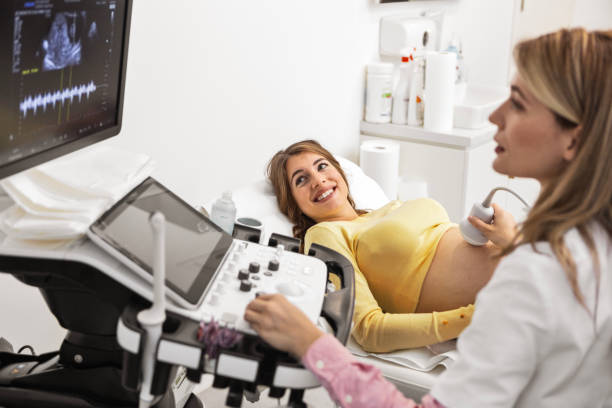
Prenatal care is an essential part of ensuring a healthy pregnancy. Among the many tools used to monitor your baby’s growth and development, the stethoscope is a classic yet effective device. While it’s commonly associated with doctors, you might be surprised to learn how you can use a stethoscope to listen to your baby’s heartbeat at home. This article delves into the role of stethoscopes in prenatal care and provides answers to frequently asked questions about hearing fetal heartbeats.
How Stethoscopes Support Prenatal Care
A stethoscope is more than just a tool for listening to heartbeats. It plays a critical role in monitoring your baby’s development, especially during the second and third trimesters.
Key Functions
- Detecting Fetal Heartbeat: Doctors use stethoscopes to check the fetal heartbeat, which indicates your baby’s health and growth. A steady, rhythmic heartbeat reassures that everything is progressing normally.
- Monitoring Fetal Development: By listening to the heartbeat, healthcare providers can estimate your baby’s position and activity.
- Assessing Well-Being: Abnormal heart rates can help identify potential complications like fetal distress or arrhythmias, allowing timely interventions.
When Can You Hear a Baby’s Heartbeat With a Stethoscope?
Hearing your baby’s heartbeat depends on your stage of pregnancy and the type of stethoscope used. Here’s a breakdown by week:
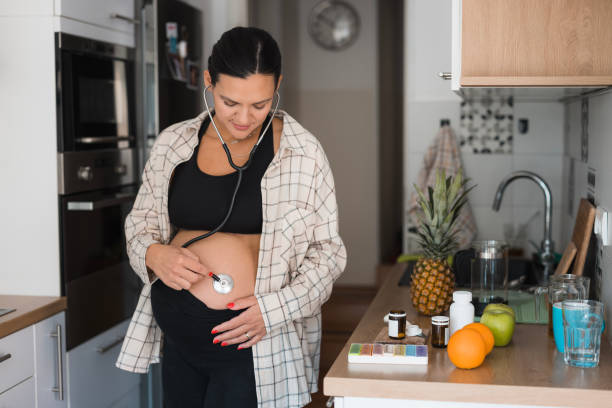
- 8 Weeks: It’s too early to hear a heartbeat with a stethoscope. However, a Doppler device might detect faint heartbeats.
- 12 Weeks: It’s rare but possible to hear a faint heartbeat if you use a sensitive stethoscope and the baby is positioned well.
- 16 Weeks: Most people can start hearing the heartbeat with a regular stethoscope.
- 20 Weeks: This is the most reliable time to detect the fetal heartbeat using a stethoscope.
Where to Place the Stethoscope to Hear Fetal Heartbeat
The placement of the stethoscope matters greatly. As your baby grows, the position where the heartbeat is clearest will change.
| Weeks of Pregnancy | Recommended Placement |
| 12 Weeks | Near the pubic bone, the baby is still low in the pelvis. |
| 16 Weeks | Slightly above the pubic bone as the uterus rises. |
| 20 Weeks | Around the lower abdomen, closer to the belly button. |
How to Listen to Fetal Heartbeat With a Stethoscope
If you want to listen to your baby’s heartbeat at home, follow these steps:
- Choose the Right Stethoscope: Use a high-quality stethoscope with good acoustic sensitivity. Fetoscopes or digital stethoscopes work best for fetal monitoring.
- Find a Quiet Space: Ambient noise can interfere with the sound. Pick a calm, quiet room for the best results.
- Lie in a Comfortable Position: Lie on your back or slightly to the side to reduce pressure on the uterus.
- Place the Stethoscope Correctly: Use the placement guide above based on your pregnancy week. Move the stethoscope slowly to locate the heartbeat.
- Listen Carefully: The heartbeat sounds like galloping horses or a rhythmic drumbeat.
What Does a Fetal Heartbeat Sound Like?
When you hear the fetal heartbeat with a stethoscope, it’s distinct and rhythmic, ranging between 110–160 beats per minute. This is much faster than an adult heartbeat.
Normal vs. Abnormal Heartbeats
| Type of Heartbeat | Sound | Significance |
| Normal Heartbeat | Steady, rhythmic beats (110–160 BPM). | Indicates a healthy baby. |
| Irregular Heartbeat | Skipping or uneven beats. | May suggest arrhythmias; consult your doctor. |
| Absent Heartbeat | No sound after multiple attempts to locate it. | Requires immediate medical attention. |
Best Stethoscope to Hear Baby’s Heartbeat
Not all stethoscopes are equally effective for fetal heart monitoring. Some are specifically designed for this purpose.
| Type | Features | Best For |
| Fetoscope | Designed to detect faint fetal heartbeats. | Early to late pregnancy monitoring. |
| Cardiology Stethoscope | High sensitivity for detecting low-frequency sounds. | Experienced users or healthcare providers. |
| Digital Stethoscope | Amplifies sound and allows recordings. | Parents want an enhanced listening experience. |
Recommended Brands
- 3M Littmann Classic III: Great for acoustic performance.
- ADC Adscope 600: Affordable yet effective.
- Bjingles Digital Stethoscope: Ideal for recording and amplifying fetal sounds.
Tips for Using a Stethoscope at Home
- Be Patient: It might take a few tries to locate the heartbeat.
- Stay Relaxed: Tension can make the process harder.
- Consult Your Doctor: If you’re unable to find the heartbeat, don’t panic—seek professional advice.
Comparing Stethoscope to Doppler Devices
While a stethoscope is effective, Doppler devices are often easier to use for early pregnancy.
| Feature | Stethoscope | Doppler Device |
| Availability | Widely available and affordable. | Requires a prescription or special purchase. |
| Sensitivity | Works best after 16 weeks. | Detects heartbeats as early as 8–10 weeks. |
| Ease of Use | Requires experience to locate a heartbeat. | Easier to use with minimal training. |
Conclusion
The role of stethoscopes in prenatal care is invaluable. From monitoring your baby’s heartbeat to providing reassurance during pregnancy, it remains a reliable tool. Knowing where to place the stethoscope to hear the fetal heartbeat and understanding how it works ensures you get the best results.
Whether you’re a parent-to-be eager to connect with your baby or a healthcare provider monitoring fetal health, a stethoscope offers a simple yet effective way to listen to life in progress.
Stay informed and enjoy the beautiful journey of pregnancy!