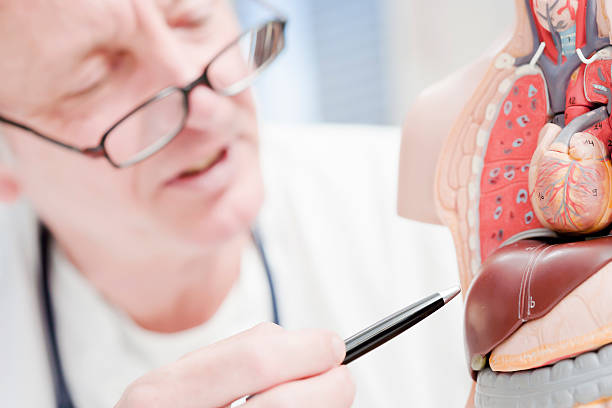
A stethoscope is a vital tool that helps doctors detect and monitor liver disease. While it’s simple in design, it provides key insights into how your liver is functioning by allowing physicians to listen to sounds within your body. These sounds can help identify abnormalities in blood flow, fluid buildup, and even early signs of serious liver conditions.
In this article, we’ll explore the role of stethoscopes in liver disease diagnosis, compare their utility with other diagnostic tools, and explain how they are used in ongoing care.
How Stethoscopes Help Diagnose Liver Disease
Stethoscopes are used to listen to internal body sounds, also known as auscultation, focusing on areas like your chest, abdomen, and blood vessels. In liver disease, specific sounds can point to potential problems.
What Doctors Listen For:
- Bruits: These are abnormal whooshing sounds that indicate blood flow issues. For instance, bruits in the liver area might suggest a tumor or narrowed blood vessels caused by cirrhosis or portal hypertension.
- Ascitic Fluid Waves: In advanced liver disease, fluid (ascites) often accumulates in the abdomen. A stethoscope can help detect the movement of this fluid during an examination.
- Heart and Lung Sounds: Conditions like liver failure can indirectly affect breathing or heart function. Doctors assess these sounds to understand the broader impact of liver disease on your body.
These sounds provide initial clues, but doctors often use other tests to confirm a diagnosis.
Liver Conditions Detectable with a Stethoscope
Several liver-related problems produce audible signs that a stethoscope can pick up. Below are some common conditions and the role of a stethoscope in detecting them:

| Condition | How Stethoscopes Help |
| Cirrhosis | Detects bruits due to increased blood pressure in the liver’s blood vessels (portal vein). |
| Portal Hypertension | Identifies changes in blood flow caused by high pressure in the portal vein. |
| Ascites | Helps detect fluid buildup in the abdominal cavity through sound waves. |
| Liver Tumors | Picks up abnormal blood flow around the liver, indicating possible tumors or blockages. |
| Hepatorenal Syndrome | Monitors kidney and heart sounds impacted by severe liver failure. |
| Cardiohepatic Interactions | Detects abnormal heart rhythms that may be linked to advanced liver disease. |
These conditions often produce symptoms you may not notice, making a stethoscope examination an effective first step.
Comparing Stethoscopes with Other Diagnostic Tools
While stethoscopes are useful, they work best when paired with other diagnostic tools for a complete picture of your liver health. Here’s a detailed comparison:
| Tool | Strengths | Limitations |
| Stethoscope | – Portable and non-invasive.- Provides immediate feedback during exams. | – Limited to detecting surface-level symptoms.- Requires trained ears. |
| Ultrasound | – Visualizes liver size and structure.- Detects fluid and abnormalities. | – Requires equipment and operator expertise. |
| Blood Tests | – Measures liver enzymes, bilirubin, and protein levels. | – Cannot detect structural changes. |
| CT/MRI Scans | – Offers detailed images of liver tissue and nearby organs. | – Expensive and not always immediately available. |
| Liver Biopsy | – Provides microscopic analysis for disease confirmation. | – Invasive and associated with risks like bleeding. |
The stethoscope acts as a preliminary diagnostic tool. When combined with imaging or blood tests, it helps ensure accurate diagnoses and timely treatments.
Monitoring Liver Disease with Stethoscopes
Liver diseases often require ongoing monitoring to track progression or response to treatment. The stethoscope is frequently used during follow-up visits to evaluate how well your condition is managed.
How It’s Used in Follow-Ups:
- Ascites Monitoring: Doctors use stethoscopes to check if fluid levels in your abdomen have increased.
- Portal Hypertension Management: Regular checks help assess changes in blood flow and pressure.
- Respiratory Sounds: In conditions like hepatic hydrothorax (fluid around the lungs due to liver disease), stethoscopes help identify breathing abnormalities.
- Heart Function: Advanced liver disease can strain your heart, which is evaluated using a stethoscope.
By detecting subtle changes, this tool allows doctors to adjust treatments promptly, ensuring better outcomes for patients.
Advantages of Using Stethoscopes in Liver Disease Care
Stethoscopes are widely valued for their simplicity and reliability. Here’s why they are an essential part of liver disease management:
Benefits:
- Non-invasive: You don’t have to worry about needles or discomfort during the exam.
- Affordable: Unlike expensive scans, a stethoscope exam doesn’t add costs.
- Time-saving: Results are immediate, enabling faster decision-making.
- Portable: Doctors can use stethoscopes in any setting, from clinics to emergency rooms.
These advantages make stethoscopes indispensable in both diagnosis and follow-up care.
Conclusion
The role of stethoscopes in liver disease highlights their value as a quick, accessible, and effective diagnostic tool. From detecting fluid buildup to identifying blood flow abnormalities, they help doctors uncover critical clues about your liver health. Combined with advanced methods like imaging and blood tests, they pave the way for early diagnosis and effective management.
If you suspect liver issues or need regular monitoring, don’t underestimate the power of this simple device. A stethoscope exam might be the first step to better health and timely treatment. Always consult your doctor to ensure you’re on the right track.