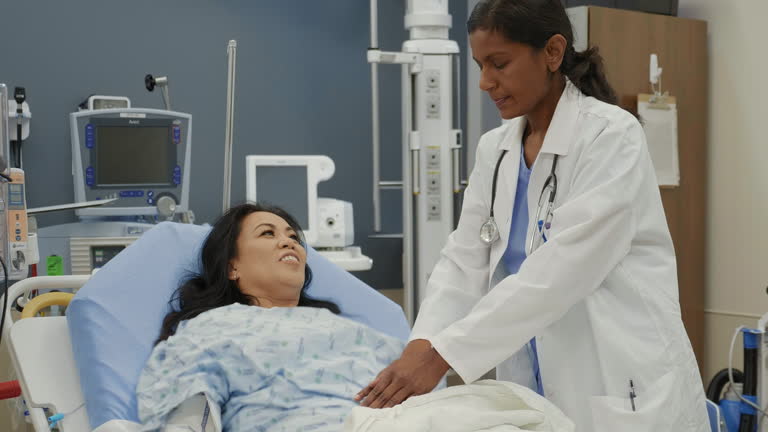
When you hear about stethoscopes, you might picture doctors listening to heartbeats or lungs. But did you know they also play a vital role in diagnosing abdominal issues like diverticulitis? This article explains how stethoscopes, alongside other diagnostic tools, help identify this condition.
What is Diverticulitis?
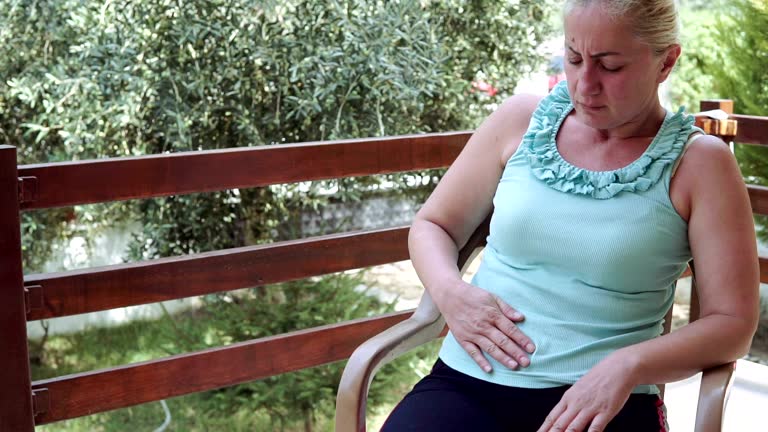
Diverticulitis occurs when small pouches, known as diverticula, form in the walls of your intestines and become inflamed or infected. These pouches are more common in the colon, especially in older adults.
Common Symptoms
- Severe abdominal pain, often on the lower left side
- Fever and chills
- Nausea and vomiting
- Bloating and tenderness in the abdomen
- Changes in bowel habits (constipation or diarrhea)
Since these symptoms overlap with other gastrointestinal conditions, such as irritable bowel syndrome (IBS) or appendicitis, doctors rely on multiple diagnostic methods.
How Does a Stethoscope Help Diagnose Diverticulitis?
A stethoscope is a simple yet powerful tool for listening to sounds in your body. When diagnosing diverticulitis, doctors use it to assess bowel sounds in the abdomen.
What Are Doctors Listening For?
- Reduced or Absent Bowel Sounds: This could indicate a blockage or severe inflammation in the intestines.
- Hyperactive Bowel Sounds: These may point to issues like diarrhea or partial obstruction.
By identifying these irregular sounds, doctors can quickly determine whether further diagnostic tests are necessary.
Other Diagnostic Tools for Diverticulitis
While stethoscopes are useful, they’re only one part of a comprehensive diagnostic process. Doctors often combine multiple methods to confirm the condition and rule out other diseases.
Diagnostic Methods Comparison Table
| Method | How It Works | When It’s Used | Strengths |
| Stethoscope | Detects abnormal bowel sounds | Initial examination for abdominal pain | Quick, non-invasive, low-cost |
| CT Scan | Produces detailed images of the abdominal organs | Confirms diverticulitis and detects complications | Highly accurate, shows abscesses or perforations |
| Blood Tests | Measures white blood cells and inflammation markers | Evaluate infection or inflammation levels | Confirms the body’s response to illness |
| Physical Examination | Palpates (presses) the abdomen to find tender areas | Identifies the location and severity of the pain | Immediate feedback for targeted testing |
| Colonoscopy | Examines the colon using a camera | Post-treatment to assess the extent of diverticula | Detailed visualization of colon health |
Doctors use these tools together to create a complete picture of your health.
The Step-by-Step Process of Diagnosing Diverticulitis
- Initial Consultation:
- You explain your symptoms and medical history to your doctor.
- The doctor uses a stethoscope to check for abnormal bowel sounds.
- Physical Examination:
- The doctor presses on your abdomen to find areas of tenderness or swelling.
- Imaging Tests:
- A CT scan confirms inflammation, abscesses, or perforations in the intestines.
- Lab Tests:
- Blood tests check for signs of infection, like elevated white blood cell counts.
- Follow-up tests (if needed):
- A colonoscopy may be performed later to assess the colon and prevent future episodes.
Why Stethoscopes are Essential in Modern Medicine
Even with advanced imaging technology, stethoscopes remain a key diagnostic tool. Here’s why:
- Quick and Non-Invasive: Unlike imaging tests, a stethoscope provides immediate information without discomfort.
- Affordable and Accessible: It’s a cost-effective option for doctors in all healthcare settings.
- First-Line Tool: Stethoscopes help doctors decide whether more complex tests are necessary.
By listening to bowel sounds, doctors can detect early signs of complications like bowel obstructions or paralytic ileus, which may accompany diverticulitis.
Treatment Options for Diverticulitis
Once diverticulitis is diagnosed, your doctor will create a treatment plan based on the severity of your condition.
Mild Cases
- Antibiotics to treat infection
- A liquid diet to rest the intestines
- Pain relievers for discomfort
Severe Cases
- Hospitalization for intravenous antibiotics and fluids
- Surgery to remove damaged portions of the colon in rare cases
Tips to Prevent Diverticulitis
You can reduce your risk of diverticulitis with a healthy lifestyle:
- Eat a High-Fiber Diet: Include fruits, vegetables, and whole grains in your meals.
- Stay Hydrated: Drink plenty of water to help your digestion.
- Exercise Regularly: Physical activity keeps your bowel movements regular.
- Avoid Smoking: Smoking increases the risk of complications.
Conclusion
Stethoscopes might seem simple, but they’re a vital part of diagnosing conditions like diverticulitis. They help your doctor detect irregular bowel sounds, which could indicate inflammation or blockages. When combined with other tools like CT scans and blood tests, stethoscopes ensure a thorough and accurate diagnosis.
If you experience symptoms of diverticulitis, see your doctor promptly. Early diagnosis and treatment can prevent complications and improve your quality of life.