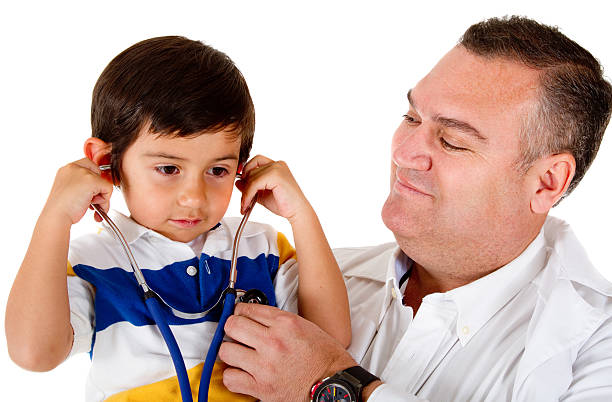
Teaching children about stethoscopes can be an exciting way to spark their curiosity about the human body. This essential medical tool helps kids learn about their heartbeat, breathing, and how doctors care for them. By making the experience interactive and relatable, you can turn this lesson into a memorable learning opportunity.
Why Teach Children About Stethoscopes?
Teaching children about stethoscopes helps them understand how their bodies work. It makes learning about health fun and less intimidating. Children can see a stethoscope as a tool to explore sounds like their heartbeat and breathing. This curiosity can spark an interest in health and science.
Learning about stethoscopes also reduces fear during doctor visits. Many children feel nervous when they see medical equipment. By familiarizing them with how stethoscopes work, you can make these visits more comfortable. They will know what to expect and feel more in control.
It’s also a great opportunity to teach them about body parts. For example, explaining how the heart pumps blood and why the lungs expand with air connects to what they hear through the stethoscope. This practical learning sticks better than theory alone.
Overall, teaching children about stethoscopes builds curiosity, confidence, and knowledge about their health. This can lead to better habits and more interest in taking care of their bodies.
How to Introduce Stethoscopes to Kids?
Here’s a simple method to start teaching about stethoscopes:
1. Show and Explain the Stethoscope
- Show them the parts: earpieces, tubing, and chest pieces.
- Let them touch and hold it to reduce any fear.
- Explain in simple words how it helps to hear sounds inside the body.

2. Make It Relatable
- Use everyday sounds as examples, like the ticking of a clock.
- Compare their heartbeat to a drumbeat or rhythm.
3. Interactive Demonstrations
- Let them listen to their heartbeat or a sibling’s.
- Use stuffed animals or dolls to “play doctor” and practice listening.
| Method | Benefits |
| Hands-on Practice | Builds familiarity and confidence. |
| Relatable Comparisons | Makes learning fun and easy to understand. |
| Role-playing Activities | Encourages imagination and engagement. |
Including Pediatric Teaching Topics
To keep the session fun and informative, introduce related pediatric teaching topics:
- Heart and Lungs: Explain how these organs work together.
- Body Sounds: Teach the difference between heartbeat and breathing sounds.
- Healthy Habits: Discuss how exercise and diet keep their heart healthy.
By incorporating these topics, you’ll give children a broader understanding of their bodies while keeping their interest.
How to Teach a Child About Body Parts
Understanding the stethoscope works best when paired with teaching about body parts. Here are a few steps:
1. Start With the Basics
- Use simple terms for body parts (e.g., chest, stomach, back).
- Point to the body parts the stethoscope listens to.
2. Use Visual Aids
- Diagrams, flashcards, or online videos can simplify complex concepts.
- Show animations of how the heart beats and lungs expand.
3. Incorporate Play
- Use songs or games like “Head, Shoulders, Knees, and Toes.”
- Let them guess where the heart or lungs are.
Tips for Making It Fun
Children learn best when they enjoy the process. Here are some ideas:
- Play Doctor Games: Role-play as a doctor using a toy stethoscope.
- Storytelling: Create a fun story about a “super doctor” who helps others.
- Creative Arts: Draw or color pictures of stethoscopes and body parts.
Conclusion: Why Teaching About Stethoscopes Matters
Teaching children about stethoscopes is a simple way to introduce them to the wonders of their bodies and healthcare. It helps them understand basic medical concepts while making them feel comfortable with doctor visits. By combining interactive activities, pediatric teaching topics, and lessons on body parts, you can create a fun and engaging learning experience.
Encourage your child to ask questions and explore. They might just discover a lifelong interest in science or medicine!