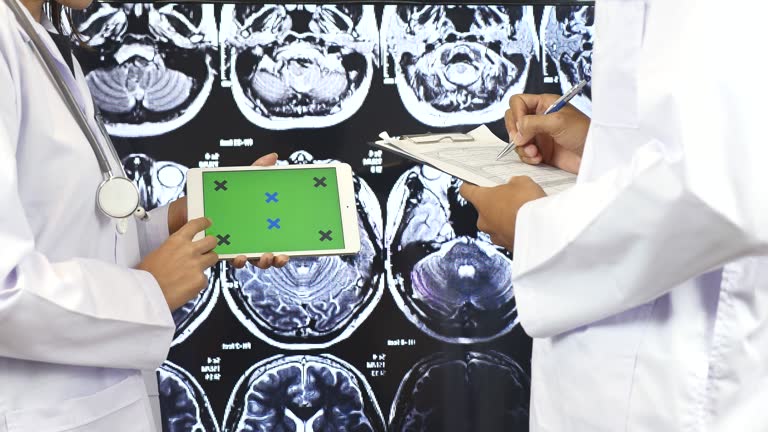
Traumatic brain injury (TBI) is a serious condition caused by a sudden blow or jolt to the head. It can disrupt brain function and, in severe cases, lead to permanent disability or death. Early diagnosis and monitoring are critical for successful treatment. One of the most accessible tools in TBI care is the stethoscope. Although commonly associated with heart and lung exams, the stethoscope plays an essential role in assessing TBI patients.
This article dives deeper into how medical professionals use stethoscopes in TBI diagnosis, monitoring, and management.
How Does a Stethoscope Help Diagnose Traumatic Brain Injury?
The brain controls vital body functions, including heart rate, breathing, and circulation. A traumatic brain injury can interfere with these systems. Doctors use a stethoscope to check:
- Heart Rate and Rhythm: TBI may cause irregular heartbeats (arrhythmias) due to damage to the brainstem, which regulates the heart. A stethoscope helps identify if the heart rate is too slow (bradycardia) or too fast (tachycardia), both of which could signal a worsening condition.
- Breath Sounds: TBI can impair the brain’s ability to control breathing. Listening to breath sounds helps identify abnormalities like:
- Slow or shallow breathing: This may indicate brain swelling or increased intracranial pressure.
- Rattling or wheezing: This could suggest aspiration pneumonia, a common complication in TBI patients.
- Blood Flow Abnormalities: Blood vessels in the brain may be damaged during an injury. A stethoscope detects unusual sounds, like a bruit, which indicates turbulent blood flow through a narrowed or injured artery. Detecting this early can prevent severe complications like a stroke.
Monitoring Vital Signs with a Stethoscope
Vital signs are the first indicators of how the body is coping after a traumatic injury. A stethoscope allows doctors to track changes quickly and non-invasively.

| Vital Sign | Normal Range | TBI Concerns |
| Heart Rate (beats/min) | 60–100 | Below 60 (bradycardia) or above 100 (tachycardia) can signal brain injury complications. |
| Breathing Rate (breaths/min) | 12–20 | Less than 12 (hypoventilation) or erratic breathing may indicate brain swelling or nerve damage. |
Changes in these vital signs often signal worsening intracranial pressure or secondary injuries.
Stethoscope Use for Secondary Traumatic Brain Injury Complications
TBI often leads to complications that extend beyond the brain. A stethoscope helps detect and manage these issues:
- Lung Complications: Many TBI patients develop respiratory issues, such as pneumonia or fluid buildup in the lungs. Listening to the lungs helps identify:
- Crackling sounds: Indicate fluid in the lungs.
- Diminished sounds: Suggest reduced airflow due to collapsed lung segments (atelectasis).
- Cardiovascular Monitoring: TBI can disrupt the autonomic nervous system, which controls blood pressure and circulation. Using a stethoscope, doctors can identify abnormal heart sounds (e.g., murmurs) caused by stress on the cardiovascular system.
- Detecting Brainstem Damage: The brainstem plays a key role in regulating heartbeat and breathing. Abnormal patterns detected through a stethoscope may signal injury in this critical area.
Stethoscope vs. Advanced Imaging Techniques
While the stethoscope is crucial for quick assessments, other diagnostic tools provide more detailed insights. Here’s how they compare:
| Method | Advantages | Limitations |
| Stethoscope | Portable, quick, and non-invasive. | Limited to surface-level observations. |
| CT Scan | Detects brain bleeding, fractures, and swelling. | Requires specialized equipment and is costly. |
| MRI | Provides detailed images of soft tissue damage. | Expensive and time-intensive. |
In many cases, the stethoscope is used first during an emergency to evaluate the situation. It guides whether advanced imaging, like a CT or MRI, is necessary.
How Stethoscopes Aid in TBI Management
During Emergency Care
In the immediate aftermath of a traumatic brain injury, time is critical. A stethoscope allows doctors to quickly check the patient’s vital signs and detect life-threatening issues, such as:
- Cardiac arrest
- Respiratory failure
By identifying these problems early, doctors can stabilize the patient and prevent further brain damage.
During Hospitalization
Patients with moderate to severe TBI are often monitored in the ICU. Here, the stethoscope is used regularly to:
- Track changes in heart rate and breathing.
- Detect complications, such as infections or blood clots.
- Assess the effectiveness of treatments like ventilation support or medication.
Post-Hospital Care
Even after leaving the hospital, TBI patients need regular checkups. Doctors may use a stethoscope during follow-up visits to ensure the heart and lungs are functioning properly.
Tools Complementing Stethoscope Use
While the stethoscope is essential, doctors also use other tools to enhance TBI care. These include:
- Blood Pressure Monitors: Help assess cerebral perfusion pressure, which affects brain health.
- Pulse Oximeters: Measure oxygen levels in the blood, ensuring the brain is receiving adequate oxygen.
- Neurological Exams: Check for signs like pupil response, which a stethoscope cannot detect.
Conclusion
The stethoscope is a versatile and vital tool in the management of traumatic brain injuries. It allows doctors to quickly assess vital signs, detect complications, and provide timely care. While imaging techniques like CT scans and MRIs provide deeper insights, the stethoscope remains indispensable in emergency settings and ongoing care.
By using the stethoscope effectively, healthcare professionals can help ensure better outcomes for TBI patients. Whether it’s detecting abnormal heart sounds or monitoring lung health, this tool is a lifesaver in TBI management.
If you or someone you know suffers a head injury, seek immediate medical attention. Early diagnosis and care can make all the difference.