Cardiomyopathy is a condition that affects the heart muscle, often leading to abnormal heart rhythms, thickened heart walls, or a weakened ability to pump blood. Early cardiomyopathy diagnosis is crucial to prevent complications. Stethoscopes play a vital role in this process by allowing doctors to listen for irregularities in your heartbeat and blood flow. This article explores how stethoscopes help detect cardiomyopathy, compares diagnostic tools, and highlights why high-quality stethoscopes like the Littmann Stethoscope Cardiology IV are indispensable in cardiology.
Why Are Stethoscopes Crucial for Cardiomyopathy Diagnosis?
Stethoscopes are one of the most commonly used tools in healthcare. They allow doctors to listen to the heart and detect any abnormalities. When diagnosing cardiomyopathy, stethoscopes help identify:
- Heart Murmurs: These are unusual sounds caused by turbulent blood flow, often associated with structural abnormalities of the heart.
- Abnormal Heart Rhythms: Cardiomyopathy can lead to arrhythmias, or irregular heartbeats, which are detectable through auscultation.
- Fluid in the Lungs: Advanced cardiomyopathy can cause fluid buildup, producing crackling sounds that can be heard with a stethoscope.
Because stethoscopes are non-invasive and portable, they are used during initial examinations and routine check-ups. Their simplicity makes them an essential tool for diagnosing heart-related issues early.
Types of Stethoscopes for Cardiomyopathy Diagnosis
Not all stethoscopes are the same. Cardiologists often use specialized models to ensure accurate detection of heart conditions like cardiomyopathy. Below are the most commonly used stethoscopes:

| Type of Stethoscope | Features | Uses in Cardiomyopathy |
| Littmann Stethoscope Cardiology IV | Exceptional sound sensitivity, durable construction | Ideal for identifying faint murmurs and subtle abnormalities |
| Cardiology 4 Stethoscope | Advanced diaphragm for clearer sound resolution | Perfect for detecting irregular rhythms and blood flow issues |
| Basic Stethoscopes | Lightweight, affordable | Useful for general heart check-ups |
The Littmann Stethoscope Cardiology IV price may be higher than standard stethoscopes, but its superior performance justifies the cost, especially for cardiologists. If you’re exploring tools for heart diagnostics, investing in high-quality stethoscopes is a smart decision.
How Stethoscopes Help in Detecting Cardiomyopathy
The role of stethoscopes goes beyond routine heart check-ups. Doctors use them to identify specific signs of cardiomyopathy, such as:
- Murmurs: Cardiomyopathy often causes structural changes in the heart that disrupt normal blood flow, leading to audible murmurs.
- Gallop Rhythms: These additional heart sounds are often linked to heart failure, a possible complication of cardiomyopathy.
- Arrhythmias: Stethoscopes can detect irregular heartbeats, such as skipped or extra beats, which are common in cardiomyopathy.
Doctors may also combine stethoscope findings with advanced tests like echocardiograms or MRIs for a complete diagnosis. However, the stethoscope is usually the first step in detecting abnormalities.
Stethoscopes vs. Advanced Tools: A Comparison
While stethoscopes are invaluable, they are often complemented by other diagnostic tools. Below is a comparison to help you understand their unique roles:
| Tool | Advantages | Disadvantages |
| Stethoscope | Quick, portable, non-invasive | Limited to sound-based detection |
| Echocardiogram | Provides detailed images of heart structure | Requires specialized equipment and expertise |
| Magnetic Resonance Imaging (MRI) | Offers in-depth heart analysis | Expensive and time-consuming |
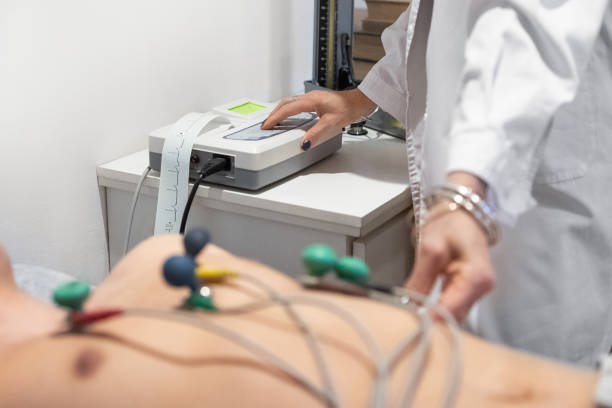
| Electrocardiogram (ECG) | Tracks electrical activity of the heart | Cannot detect structural issues like murmurs |
While advanced tools are critical for confirming cardiomyopathy, stethoscopes provide an essential starting point. They are particularly effective for regular monitoring and detecting changes over time.
The Selfless Role of Stethoscopes in Cardiology
Stethoscopes symbolize the commitment of medical professionals to patient care. Their ability to detect subtle changes in the heart makes them indispensable for identifying conditions like cardiomyopathy early. Despite advancements in medical technology, stethoscopes remain a cornerstone of cardiology because of their efficiency and accessibility.
For healthcare professionals, choosing the right stethoscope is crucial. High-quality models, such as the Cardiology 4 Stethoscope, offer the precision needed to diagnose heart conditions accurately. The investment in such tools is a reflection of the selfless dedication to improving patient outcomes.
Conclusion: The Role of Stethoscopes in Cardiomyopathy Diagnosis
Stethoscopes are indispensable in diagnosing cardiomyopathy. They provide quick, reliable insights into heart health, helping doctors detect murmurs, irregular rhythms, and other warning signs. Advanced models like the Littmann Stethoscope Cardiology IV are particularly valuable for cardiologists, offering superior sensitivity and durability.
In a field where early detection can save lives, tools like stethoscopes ensure no sign of heart pathology is missed. Whether you’re a medical professional or a student, understanding the importance of stethoscopes in cardiology highlights their enduring role in patient care.