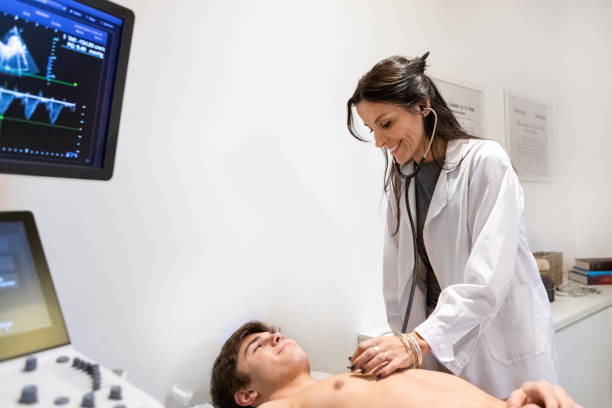
Stethoscopes and echocardiography are two essential tools in modern cardiology. While the stethoscope has been a symbol of medical care for centuries, echocardiography uses advanced technology to visualize the heart’s structure and function. Together, these tools allow doctors to diagnose heart conditions accurately and provide timely treatment. In this article, we’ll discuss what echocardiography is, how to use stethoscopes in echocardiography, and why combining these methods improves heart health care.
What is Echocardiography?
Echocardiography is a non-invasive test that uses sound waves (ultrasound) to create images of the heart. This test shows the size, shape, and motion of the heart, as well as how blood flows through it.
When is Echocardiography Needed?
Doctors may recommend echocardiography if:
- You experience chest pain or shortness of breath.
- A heart murmur is detected with a stethoscope.
- You have irregular heartbeats (arrhythmias).
- They suspect heart valve diseases or heart failure.
- You need monitoring for existing heart conditions.
How Does Echocardiography Work?
- A device called a transducer sends sound waves into the body.
- These waves bounce off the heart and create live images on a monitor.
- The test is painless and usually takes about 30 minutes to an hour.
Types of Echocardiography
Echocardiography comes in different forms, each designed to address specific medical needs. Below are the main types, explained simply:
1. Transthoracic Echocardiography (TTE)
This is the most common type of echocardiography.
- How it works: A device called a transducer is placed on your chest. It sends sound waves to create images of your heart.
- Uses: It helps doctors evaluate heart size, structure, and overall function.
- Why it’s used: It’s non-invasive, painless, and suitable for routine heart exams.
2. Transesophageal Echocardiography (TEE)
This method provides clearer images by getting closer to the heart.
- How it works: A thin, flexible tube with a transducer is inserted into your esophagus.
- Uses: Doctors use TEE to detect blood clots, infections, or issues with the heart valves.
- Why it’s used: It’s ideal when detailed images are needed, especially for hidden parts of the heart.
3. Stress Echocardiography
This test checks how your heart performs under stress.
- How it works: Images are taken before and after you exercise or take medication that mimics exercise.
- Uses: It helps identify heart problems that occur during physical activity.
- Why it’s used: It’s effective for diagnosing coronary artery disease or assessing the heart’s ability to handle stress.
4. Doppler Echocardiography
This type focuses on blood flow through the heart.

- How it works: It measures the speed and direction of blood flow using sound waves.
- Uses: It helps diagnose issues like leaky or narrowed heart valves and blood flow blockages.
- Why it’s used: It gives detailed insights into how blood moves through the heart chambers and vessels.
5. 3D Echocardiography
This advanced type provides three-dimensional images of the heart.
- How it works: It uses specialized software to create detailed 3D views.
- Uses: It helps plan surgeries, evaluate heart valve diseases, and assess congenital heart defects.
- Why it’s used: It offers a more accurate representation of heart structures.
6. Fetal Echocardiography
This type is used to examine a baby’s heart before birth.
- How it works: A transducer is placed on the mother’s abdomen to capture images of the baby’s heart.
- Uses: It helps detect heart defects in unborn babies.
- Why it’s used: Early diagnosis ensures better planning for treatment after birth.
Comparison of Echocardiography Types
| Type | Key Feature | Common Uses |
| Transthoracic (TTE) | Non-invasive, chest-based imaging. | Routine exams and general heart evaluation. |
| Transesophageal (TEE) | Probe in the esophagus for clarity. | Detailed views of heart valves and clots. |
| Stress Echo | Images during physical activity. | Diagnosing coronary artery disease. |
| Doppler Echo | Tracks blood flow. | Assessing valve and circulation problems. |
| 3D Echo | Advanced 3D imaging. | Complex heart surgeries and defects. |
| Fetal Echo | Examines unborn baby’s heart. | Detecting congenital heart issues. |
These types of echocardiography help doctors understand different aspects of heart health, ensuring accurate diagnoses and effective treatments.
How Stethoscopes Play a Role in Echocardiography
Stethoscopes are a vital tool for initial heart evaluations. Doctors rely on them to detect abnormal heart sounds that may indicate the need for echocardiography.
- Detecting Heart Murmurs: Murmurs are unusual sounds caused by turbulent blood flow. A stethoscope helps pinpoint these sounds, which can signal valve problems or septal defects.
- Identifying Irregular Rhythms: Stethoscopes can detect abnormal heart rhythms like arrhythmias. If these irregular beats are heard, echocardiography is often the next step to determine the cause.
- Monitoring Basic Heart Function: Doctors use stethoscopes to quickly assess heartbeats, blood flow, and breathing patterns. This initial evaluation provides clues about underlying conditions.
Stethoscope vs. Echocardiography: A Detailed Comparison
| Feature | Stethoscope | Echocardiography |
| Purpose | Listens to heart sounds for quick assessments. | Provides detailed images of heart structure and function. |
| Detail Level | Detects sounds but lacks visual data. | Offers comprehensive visualization and data. |
| Time Required | Instant results. | Requires preparation and can take up to an hour. |
| Cost | Affordable and accessible. | Expensive and requires specialized equipment. |
| Portability | Lightweight and portable. | Requires larger equipment and setup. |
| Applications | Ideal for basic screening. | Used for diagnosing complex heart conditions. |
Why Use Both Tools Together?
Combining stethoscopes and echocardiography enhances diagnostic accuracy and improves patient outcomes. Here’s why they work so well together:
- Efficient Screening: A stethoscope provides quick initial assessments. If abnormalities are detected, echocardiography follows for a detailed diagnosis.
- Reduced Unnecessary Testing: Not all heart issues require echocardiography. The stethoscope ensures that only relevant cases are sent for further testing.
- Comprehensive Diagnosis: Together, these tools capture both audible and visual signs of heart problems, ensuring nothing is overlooked.
Real-World Applications in Heart Care
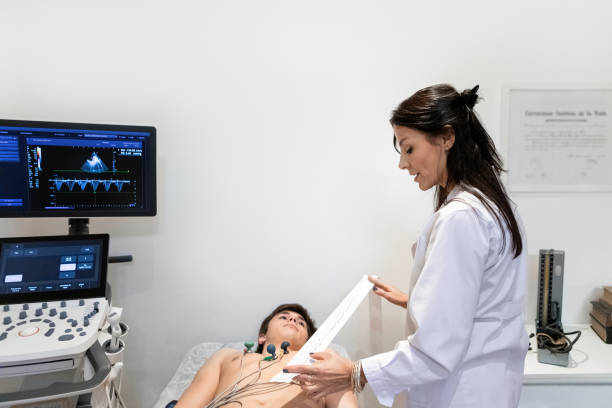
- Routine Check-Ups: Doctors use stethoscopes during annual check-ups to listen for irregular sounds. If they suspect any issues, echocardiography is often recommended.
- Emergency Situations: In emergencies like chest pain or fainting, a stethoscope is the first tool used. Based on findings, echocardiography may confirm conditions like heart attacks or valve failures.
- Monitoring Chronic Conditions: Patients with known heart problems often undergo regular stethoscope checks. Echocardiography helps monitor changes in heart structure or function over time.
Benefits of Combining Stethoscopes with Echocardiography
| Benefit | Explanation |
| Enhanced Accuracy | Both tools together reduce the chances of misdiagnosis. |
| Cost-Effective | Stethoscopes limit unnecessary advanced testing, saving costs. |
| Non-Invasive | Both methods are safe and non-invasive for patients. |
| Versatility | Applicable in routine check-ups, emergencies, and chronic condition monitoring. |
When Should You See a Doctor?
You should consult a doctor if you experience any of the following symptoms:
- Chest pain or discomfort.
- Persistent shortness of breath.
- Irregular heartbeats or fluttering sensations.
- Unexplained fatigue or fainting.
During your visit, your doctor may use a stethoscope first. Based on their findings, they may recommend echocardiography for further evaluation.
Conclusion
The stethoscope and echocardiography are indispensable tools in heart care. While the stethoscope helps identify potential problems quickly, echocardiography provides a deeper understanding of your heart’s condition.
By combining these methods, doctors can ensure more accurate diagnoses and effective treatments. Always consult a healthcare professional if you have concerns about your heart health.