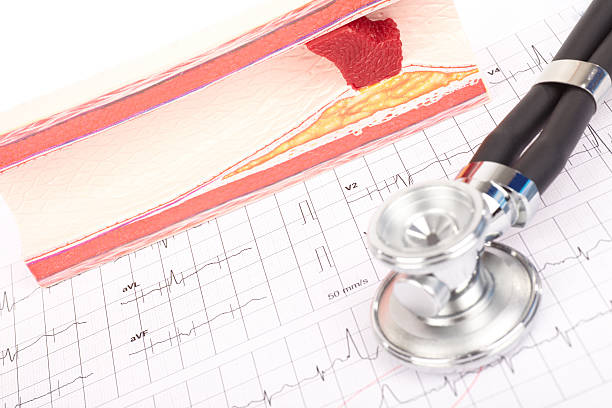
Stethoscopes are more than a diagnostic tool—they are a lifeline for those managing advanced heart failure. This non-invasive device helps doctors detect critical changes in your heart and lungs, ensuring timely intervention. In advanced heart failure, where early detection can prevent severe complications, the stethoscope remains an indispensable tool for healthcare providers.
Understanding Advanced Heart Failure
Advanced heart failure occurs when the heart cannot pump blood efficiently to meet the body’s needs. This condition leads to symptoms like shortness of breath, fatigue, and fluid buildup in the lungs and other parts of the body. Managing advanced heart failure requires careful monitoring of these symptoms, and stethoscopes are at the forefront of this effort.
How Stethoscopes Aid in Advanced Heart Failure Management?

Detecting Abnormal Heart Sounds
A stethoscope is used to listen for irregular heart rhythms, murmurs, or extra heart sounds, such as S3 and S4 gallops. These abnormalities often signal worsening heart failure or complications like valve dysfunction.
- S3 Gallop: Indicates fluid overload, common in heart failure.
- S4 Gallop: Suggests stiff heart muscle or reduced compliance.
Identifying Pulmonary Congestion
Doctors use stethoscopes to hear crackling or wheezing sounds in the lungs, which often indicate fluid buildup. This symptom, known as pulmonary congestion, is a hallmark of advanced heart failure and requires immediate attention.
Evaluating Jugular Venous Pressure (JVP)
A stethoscope helps assess venous blood flow and pressure, particularly in the jugular vein. Elevated JVP can indicate fluid overload and increased stress on the heart.
Monitoring Changes Over Time
Regular stethoscope exams allow doctors to track the progression of heart failure. Comparing current and past findings can highlight subtle changes that might otherwise go unnoticed.
Types of Stethoscopes and Their Benefits in Heart Failure Management
Modern advancements have introduced various stethoscope types tailored to specific needs. Here’s a breakdown:
| Type | Features | Best Use in Heart Failure |
| Acoustic Stethoscope | The basic design relies on the physician’s hearing ability | Routine check-ups and preliminary diagnosis |
| Electronic Stethoscope | Amplifies sounds, filters background noise | Detecting faint murmurs and irregular sounds |
| Digital Stethoscope | Records heart sounds, integrates with mobile apps | Telemedicine and detailed sound analysis |
Choosing the Right Stethoscope
For advanced heart failure, electronic and digital stethoscopes are often preferred. They provide clearer sound quality and enable detailed assessments, especially for complex cases.
Advantages of Using Stethoscopes in Advanced Heart Failure
- Non-Invasive and Painless: Unlike other diagnostic tools, stethoscopes do not require needles, imaging, or complex procedures. They provide immediate insights during routine check-ups.
- Cost-Effective: While advanced imaging tests like echocardiograms and MRIs are valuable, they are expensive and not always accessible. Stethoscopes offer a low-cost yet reliable way to monitor heart health.
- Supports Preventive Care: Detecting subtle changes early can prevent emergencies. For instance, hearing crackles in the lungs can prompt adjustments in diuretics or other medications before symptoms worsen.
- Enhances Telemedicine: Digital stethoscopes can record and transmit heart and lung sounds, allowing doctors to assess patients remotely. This is particularly useful for those who cannot frequently visit clinics.
Limitations of Stethoscopes in Heart Failure Management
While stethoscopes are essential, they are not foolproof. Here are some challenges:
- Dependence on Skill: Accurate diagnosis relies on the clinician’s experience and ability to interpret sounds.
- Limited Precision: Stethoscopes cannot replace imaging tests like echocardiograms for detailed heart function evaluation.
- Noise Interference: Background noise can affect the quality of auscultation, particularly in busy clinical settings.
To address these challenges, stethoscope findings are often complemented by imaging and laboratory tests.
Comparison: Stethoscopes vs. Advanced Diagnostic Tools
| Tool | Purpose | Advantages | Limitations |
| Stethoscope | Detects heart and lung sounds | Portable, cost-effective, immediate results | Limited precision |
| Echocardiogram | Visualizes heart structure and function | High accuracy, detailed imaging | Expensive, requires specialized equipment |
| Cardiac MRI | Comprehensive heart imaging | Detailed 3D views | Very costly, time-consuming |
| Blood Tests | Measures biomarkers like BNP | Confirms heart failure diagnosis | Invasive, delayed results |
Innovations in Stethoscope Technology

- AI-Powered Stethoscopes: Some modern stethoscopes now feature artificial intelligence. They analyze heart sounds and provide diagnostic suggestions, reducing the reliance on clinician expertise.
- Wireless Connectivity: Digital stethoscopes with Bluetooth enable real-time sharing of data with specialists, improving collaboration in patient care.
- Sound Amplification: Advanced models amplify sounds significantly, making it easier to detect faint murmurs or lung sounds in noisy environments.
Tips for Patients: How Stethoscopes Can Help You
If you are managing advanced heart failure, regular check-ups with a stethoscope can:
- Identify early warning signs of worsening symptoms.
- Help your doctor adjust medications promptly.
- Reduce the need for frequent hospital visits by enabling remote monitoring.
Ask your doctor about digital stethoscopes and how they can fit into your care plan.
Conclusion: A Critical Tool in Advanced Heart Failure Management
Stethoscopes are invaluable in the fight against advanced heart failure. They offer a non-invasive, cost-effective, and reliable way to monitor heart and lung health. With advancements in technology, these devices are becoming even more precise and accessible, ensuring better outcomes for patients.
By understanding the role of stethoscopes, you can actively participate in managing your condition. Whether through routine check-ups or advanced digital tools, this timeless instrument remains at the heart of effective care. Always consult your healthcare provider to learn how stethoscopes can enhance your treatment journey.