A stethoscope is a vital tool in cardiac rehabilitation. It helps monitor heart and lung sounds, making it easier to track your progress and identify potential issues. Whether you’re just starting your rehab journey or are deep into it, a stethoscope ensures precise and effective monitoring.
This guide will explore how a stethoscope supports your recovery. We’ll also cover the phases of cardiac rehabilitation, its benefits and disadvantages, and essential physiotherapy exercises to improve your heart health.
What Is Cardiac Rehabilitation?
Cardiac rehabilitation is a medically supervised program designed to improve your heart health after a heart attack, surgery, or other cardiac event. It combines exercise, education, and lifestyle changes to help you recover.
Benefits
Cardiac rehabilitation offers numerous advantages:
- Improves physical fitness: Strengthens your heart and muscles.
- Reduces risk: Lowers the chance of another cardiac event.
- Boosts mental health: Reduces anxiety and depression.
- Enhances quality of life: Promotes better energy levels and mobility.
Disadvantages
While cardiac rehab has undeniable benefits, it may present some challenges:
- Can be costly without insurance.
- Requires time commitment.
- May not be accessible to all patients.
- Some patients find group settings intimidating.
How Is a Stethoscope Used in Cardiac Rehabilitation?
The stethoscope plays a key role in every phase of cardiac rehabilitation. It allows your doctor or therapist to:
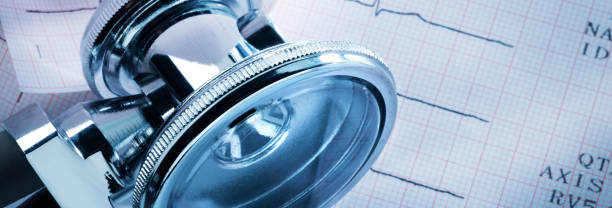
- Monitor your heart rate and rhythm.
- Detect irregularities like arrhythmias.
- Listen to lung sounds for potential congestion.
This close monitoring ensures your safety and helps adjust your program as needed.
Components of Cardiac Rehabilitation
Every cardiac rehabilitation program includes the following:
- Medical Evaluation: A thorough health assessment before starting.
- Physical Activity: Exercises to strengthen the heart.
- Education: Learning about lifestyle changes and heart health.
- Counseling: Addressing mental and emotional well-being.
These components work together to improve your overall heart health.
What Are the 4 Phases of Cardiac Rehabilitation?
Cardiac rehabilitation progresses through four phases, each with specific goals:
Phase 1: In-Hospital Recovery
This phase starts immediately after a heart event, such as surgery or a heart attack.
- Focus: Light movements like walking in the hospital room.
- Goal: Stabilize your condition and regain basic mobility.
Phase 2: Outpatient Rehabilitation
Phase 2 typically begins a few weeks after discharge and involves supervised sessions at a rehabilitation center.
- Activities: Moderate exercises, like treadmill walking or cycling.
- Monitoring: Stethoscopes and ECGs track your heart’s response.
- Goal: Build strength and confidence in physical activity.
Phase 3: Independent Maintenance
In this phase, you take more responsibility for your health with less supervision.
- Activities: Regular gym sessions or home-based exercises.
- Goal: Maintain physical fitness and prevent relapse.
Phase 4: Lifelong Management
The final phase focuses on sustaining a heart-healthy lifestyle indefinitely.
- Activities: Personalized fitness routines and heart-healthy practices.
- Goal: Reduce risks and promote long-term well-being.
Cardiac Rehabilitation Physiotherapy Exercises
Exercise is a cornerstone of cardiac rehabilitation. They are carefully chosen based on your health condition:
Aerobic Exercises
These exercises improve cardiovascular endurance. Examples include:
- Walking on a treadmill.
- Stationary cycling.
- Light jogging.
Resistance Training
Builds muscle strength without overburdening your heart. Examples include:
- Lifting light weights.
- Using resistance bands.
Stretching and Flexibility
Improves overall mobility and reduces stiffness.
- Yoga or Pilates.
- Gentle stretching routines.
Stethoscopes monitor your heart rate and rhythm during these exercises, ensuring safety and effectiveness.
The Role of Stethoscopes in Every Phase
A stethoscope supports your recovery in every stage of cardiac rehabilitation:
- Phase 1: Tracks early recovery, ensuring stability after a heart event.
- Phase 2: Monitors your heart’s response to increased activity.
- Phase 3: Detect irregularities as you transition to independence.
- Phase 4: Provides ongoing feedback during maintenance.
Using a stethoscope makes it easier to adjust your plan and avoid complications.
How to Make the Most of Cardiac Rehabilitation
- Stay Committed: Attend all sessions and follow your doctor’s advice.
- Communicate: Share any discomfort or symptoms with your healthcare provider.
- Use the Tools: Understand how tools like stethoscopes improve your recovery.
- Adopt a Healthy Lifestyle: Focus on a balanced diet, stress management, and physical activity.
Conclusion
The stethoscope is a powerful ally in your cardiac rehabilitation journey. It ensures that your recovery is safe, effective, and tailored to your needs. From phase 1 in the hospital to lifelong maintenance, this tool supports your progress at every step.
By participating in cardiac rehabilitation, you give your heart the best chance to heal and thrive. Embrace the journey, and use the knowledge and tools provided to take charge of your health.