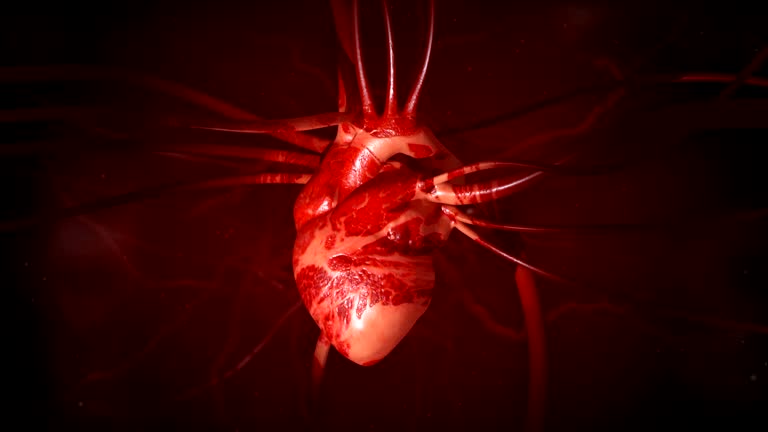
When your child’s doctor talks about “heart sounds,” it’s natural to have questions. Heart sounds are vital clues to understanding a child’s heart health. This guide will explain heart sounds in children, what these sounds mean, how heart murmurs are evaluated, and when you should worry.
What Are Heart Sounds in Children?
Heart sounds are the noises created by the movement of blood and the opening and closing of heart valves. These sounds are classified into two main types:
- S1 (lub): This sound occurs when the mitral and tricuspid valves close.
- S2 (dub): This happens when the aortic and pulmonary valves close.
In some cases, extra sounds may be heard. These include murmurs or clicks, which can either be normal or require further investigation.
Understanding Heart Murmurs: Innocent vs. Pathologic
Heart murmurs are extra sounds made by turbulent blood flow. While they might sound concerning, not all murmurs indicate a problem.
Innocent Heart Murmurs
- Found in 50-70% of children at some point.
- Often occur during growth spurts or illness.
- Do not require treatment and typically disappear with age.
Pathologic Heart Murmurs
- Indicate structural abnormalities in the heart.
- Caused by conditions like valve defects, holes in the heart, or congenital heart disease.
Doctors use specific tools to distinguish between these types, such as stethoscopes, echocardiograms, or other imaging tests.
When to Worry About a Heart Murmur in a Child
Not all murmurs are dangerous, but certain signs can indicate a serious condition.
Signs That Require Immediate Attention:
- Rapid breathing or difficulty catching their breath.
- Fatigue during mild activities like walking or playing.
- Bluish tint around lips or fingertips (cyanosis).
- Swelling in the feet, legs, or stomach.
- Delayed growth or inability to gain weight.
If your child exhibits these symptoms, consult a pediatric cardiologist.
Heart Murmur in Toddlers: Symptoms to Look For
Toddlers are naturally active, making it challenging to identify heart-related symptoms. However, common warning signs include:

- Persistent shortness of breath.
- Sweating while eating or sleeping.
- Frequent coughing or chest pain.
What to Do:
- Visit a pediatrician for an evaluation if you notice these signs.
- Request an echocardiogram for a clearer picture of heart health.
Pediatric Heart Sounds Audio: Listening and Learning
Doctors often record and analyze heart sounds to classify murmurs. These audio recordings can help parents understand the differences between normal and abnormal heart sounds.
Common Tools Used:
- Stethoscope: For basic sound evaluation.
- Digital Recorders: To capture heart murmurs for further analysis.
- Echocardiography: Produces images and audio of heart movements.
Learning to identify these sounds can reassure you when an innocent murmur is detected.
When to Worry About a Heart Murmur in Babies
Babies with pathologic murmurs may exhibit more noticeable symptoms. These include:
- Poor feeding or difficulty nursing.
- Sweaty forehead during feeds.
- Failure to thrive or meet growth milestones.
Proactive Steps for Parents:
- Monitor Symptoms: Track any changes in behavior or physical signs.
- Schedule Regular Checkups: Early detection improves outcomes.
- Request Tests: An echocardiogram or chest X-ray can identify the issue.
Pediatric Heart Murmur Sounds: What They Indicate
Doctors classify murmurs based on their volume, pitch, and location. Here’s how they grade them:
| Grade | Description |
| Grade 1 | Barely audible, heard only with focused listening. |
| Grade 2 | Soft but easily heard with a stethoscope. |
| Grade 3 | Moderately loud, with no chest vibration. |
| Grade 4 | Loud with a slight vibration felt on the chest. |
| Grade 5 | Very loud, and easily felt on the chest wall. |
| Grade 6 | Audible even without a stethoscope placed on the chest. |
Location Matters:
Murmurs are also evaluated based on where they are heard best. For example:
- Upper chest murmur: This may indicate valve problems.
- Lower chest murmur: This could suggest septal defects.
Heart Murmur in Babies Symptoms
Here’s a closer look at the symptoms of serious murmurs in babies:
- Cyanosis: A bluish tint to the skin, especially on the lips and nails.
- Breathing Difficulty: Labored or rapid breathing, even at rest.
- Feeding Issues: Baby may tire quickly or stop feeding altogether.
- Swelling: Noticeable puffiness around the eyes, abdomen, or legs.
Early intervention ensures a better prognosis, so don’t delay if these symptoms appear.
Comparison Table: Innocent vs. Pathologic Murmurs
| Feature | Innocent Murmurs | Pathologic Murmurs |
| Cause | No structural heart defect | Structural abnormalities |
| Symptoms | None | Cyanosis, fatigue, poor growth |
| Onset | May appear during illness or fever | Often present at birth |
| Treatment | None needed | Medical intervention or surgery |
How Are Pediatric Heart Murmurs Treated?
Innocent Murmurs:
- No treatment is necessary.
- Regular follow-ups during checkups ensure no changes occur.
Pathologic Murmurs:
- Medications: To manage symptoms or prevent complications.
- Surgery: For conditions like valve repair or closing a hole in the heart.
- Lifestyle Adjustments: Ensuring the child avoids extreme physical exertion until cleared.
FAQs: Heart Sounds in Children
Can heart murmurs go away?
Yes, innocent murmurs often disappear as the child grows.
Should I ask for additional tests?
If the murmur is pathologic, tests like echocardiograms or ECGs are crucial.
Can murmurs be prevented?
Congenital defects cannot always be prevented, but routine prenatal care helps reduce risks.
Conclusion
Heart sounds in children provide important insights into their heart health. While many murmurs are harmless, staying informed helps you act quickly if necessary. Regular checkups, awareness of symptoms, and timely medical advice can ensure your child’s heart remains healthy.