
A stethoscope is one of the most trusted tools in healthcare. Whether you’re a doctor, nurse, or medical student, you rely on it daily. But how durable is a stethoscope, and what makes some last longer than others? Let’s uncover the factors that affect stethoscope durability, explore different types, and see how to keep yours in great condition for years.
What Makes a Stethoscope Durable?
Durability is all about how well a stethoscope handles regular use, cleaning, and wear. Here are the key factors:
1. High-Quality Materials
The materials used in your stethoscope impact its lifespan. Stethoscopes made with stainless steel for the chest piece and latex-free tubing last longer. For instance, the Littmann stethoscope is renowned for its sturdy build and excellent performance.
2. Proper Care and Cleaning
Frequent cleaning prevents bacteria buildup and extends your stethoscope’s life. However, harsh chemicals can weaken its tubing over time. According to Fierce Healthcare, many healthcare providers skip cleaning between patients. Regularly wiping it with alcohol or approved cleaning wipes is essential for hygiene and durability.
3. Work Environment and Usage
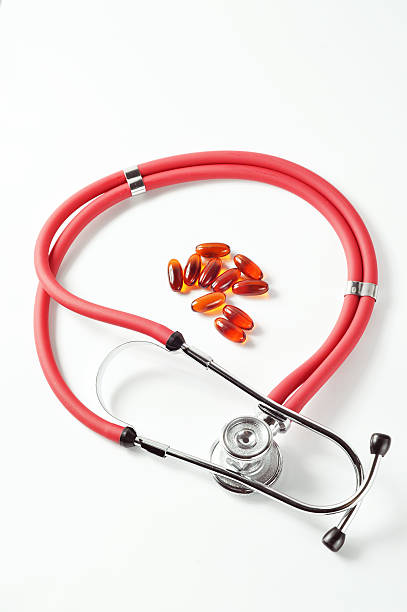
Where and how you use your stethoscope matters. A hospital environment, for example, exposes your stethoscope to more wear and tear than home or clinic use.
Types of Stethoscopes: Which Lasts Longer?
When choosing a stethoscope, durability depends on its type and purpose. Let’s break it down:
1. Single vs. Double Lumen Stethoscope
Your choice between a single vs. double-lumen stethoscope can influence both performance and lifespan.
| Feature | Single Lumen | Double Lumen |
| Durability | Simpler design, less likely to fail | Complex design needs more care |
| Sound Quality | Good for basic checks | Superior for advanced diagnostics |
| Weight | Lightweight | Heavier |
| Cost | Affordable | Slightly more expensive |
If you need a lightweight and durable option for general use, go with a single lumen. For advanced diagnostics, a double lumen offers better sound clarity but requires extra care.
2. Dual-Head Stethoscope
A dual-head stethoscope, such as the dual-head stethoscope Littmann, features two sides:
- Diaphragm: Best for high-pitched sounds like heart and lung tones.
- Bell: Great for low-pitched sounds, like detecting murmurs.
This versatility makes it a durable choice for professionals who perform varied examinations daily.
Best Stethoscopes for Specific Needs
Finding the right stethoscope ensures better performance and durability. Here’s a quick guide:
1. Best Stethoscope for Nurses
Nurses often prioritize lightweight designs and clear acoustics for long shifts. The MDF stethoscope is a great choice because it combines comfort and durability with affordable pricing.
2. Best Stethoscope for Blood Pressure
For blood pressure monitoring, accuracy is crucial. A single head stethoscope is typically the best stethoscope for blood pressure, as it provides clear sound with minimal interference.
3. Best Cardiology Stethoscope
Cardiologists need advanced tools to hear subtle heart sounds. The best cardiology stethoscope includes premium models like the Littmann Cardiology IV, which delivers exceptional sound clarity and durability.
How to Make Your Stethoscope Last Longer?
Taking care of your stethoscope not only protects your investment but also ensures it performs well every time you use it. Follow these tips:

1. Clean Regularly
Clean your stethoscope after every shift or patient. Use alcohol-based wipes to disinfect the diaphragm, ear tips, and tubing. Avoid soaking it or using harsh chemicals.
2. Store It Properly
When not in use, store your stethoscope in a protective case. This shields it from dust, scratches, and accidental damage.
3. Avoid Extreme Temperatures
High heat or freezing temperatures can crack the tubing or warp the chestpiece. Keep your stethoscope in a controlled environment to avoid damage.
4. Inspect for Wear
Over time, the ear tips, diaphragm, and tubing may wear out. Check these parts regularly and replace them as needed to maintain sound quality and hygiene.
Why Cleaning and Maintenance Are Essential
Cleaning and maintaining your stethoscope is crucial for both its durability and hygiene. As a healthcare professional, your stethoscope is constantly exposed to germs, bacteria, and patient contact. Proper care not only extends its lifespan but also ensures patient safety and optimal performance.
1. Prevents Infection Spread
Your stethoscope can be a breeding ground for bacteria. According to Fierce Healthcare, many healthcare providers do not clean their stethoscopes between patients. This oversight increases the risk of spreading infections. Wiping the diaphragm and tubing with alcohol after each use significantly reduces bacteria.
2. Ensures Accurate Sound Quality
A dirty stethoscope can impact performance. Dust and debris can block the diaphragm or tubing, affecting sound clarity. Cleaning your stethoscope regularly keeps it in peak condition, ensuring you hear heartbeats, lung sounds, and blood pressure readings clearly.
3. Extends Durability
Maintenance protects your stethoscope from wear and tear. Sweat, oils, and cleaning chemicals can degrade the tubing over time. By using approved cleaning methods and storing it properly, you can avoid cracks, hardening, or discoloration of the material.
4. Maintains Professionalism
A clean stethoscope reflects your professionalism. Patients are more comfortable when they see you using a clean, well-maintained tool. It builds trust and reassures them of your attention to hygiene.
5. Keeps Replacement Costs Low
Regular maintenance reduces the need for frequent repairs or replacements. High-quality stethoscopes like the Littmann stethoscope or MDF stethoscope are built to last, but only if you take proper care of them.
Tips for Effective Cleaning
- Use Alcohol Wipes: Disinfect the chest piece, tubing, and ear tips with alcohol-based wipes. Avoid soaking or submerging your stethoscope.
- Clean After Every Patient: Regular cleaning prevents cross-contamination.
- Avoid Harsh Chemicals: Stick to manufacturer-approved cleaning products to prevent damage to the tubing and diaphragm.
- Replace Worn Parts: Check for worn ear tips, a loose diaphragm, or hardened tubing, and replace them promptly.
- Store It Properly: Use a case or pouch to protect your stethoscope from dust, heat, and accidental damage.
Comparing Top Brands: Littmann vs. MDF
| Feature | Littmann Stethoscope | MDF Stethoscope |
| Durability | Industry leader, long-lasting | Affordable yet sturdy |
| Sound Quality | Exceptional | Good for general use |
| Price | Premium pricing | More budget-friendly |
| User Base | Preferred by doctors and specialists | Great for nurses and students |
Both brands offer excellent options depending on your needs and budget.
Conclusion
The truth about stethoscope durability lies in choosing the right type and caring for it properly. High-quality options like the Littmann stethoscope or MDF stethoscope ensure durability, but maintenance is key.
Whether you need the best stethoscope for nurses, a reliable dual-head stethoscope, or the best cardiology stethoscope, there’s a model to suit your needs. With proper cleaning, storage, and care, your stethoscope can serve you well for years.
Remember, a stethoscope is more than a tool—it’s your partner in providing excellent patient care. Take care of it, and it will take care of your practice!