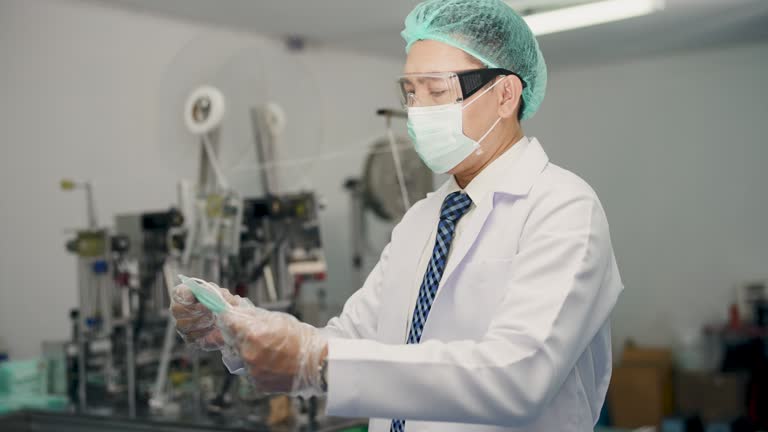
The stethoscope is more than a medical tool; it’s a symbol of trust in healthcare. Its adoption has transformed how doctors and nurses diagnose illnesses and care for patients. The global impact of stethoscope extends beyond individual health. It has revolutionized public health systems, and advanced technology, and shaped medical practices worldwide.
Let’s explore how this remarkable device influences global healthcare, its environmental challenges, and its role in public health and society.
The Role of Stethoscopes in Transforming Global Healthcare
Stethoscopes have profoundly shaped modern healthcare. They serve as a critical tool for diagnosing and monitoring diseases while improving patient care. Let’s dive deeper into how they’ve revolutionized global healthcare.
Enhancing Diagnostic Precision
The stethoscope marked a turning point in how doctors detect illnesses. Before its invention, diagnosing internal conditions relied on visible symptoms and guesswork. The stethoscope introduced auscultation—the ability to listen to the internal sounds of the body.
By using a stethoscope, doctors can detect heart murmurs, abnormal lung sounds, and irregular blood flow patterns. These early detections allow you to receive timely treatment, improving recovery rates and reducing the need for expensive tests.
For example, diagnosing pneumonia or heart arrhythmias with a stethoscope can prevent severe complications. This early intervention has saved millions of lives worldwide.
Increasing Access to Care in Remote Areas
In underserved and rural communities, stethoscopes have become essential for delivering basic healthcare. Portable and affordable, they empower health workers to provide critical services where advanced medical equipment may not be available.
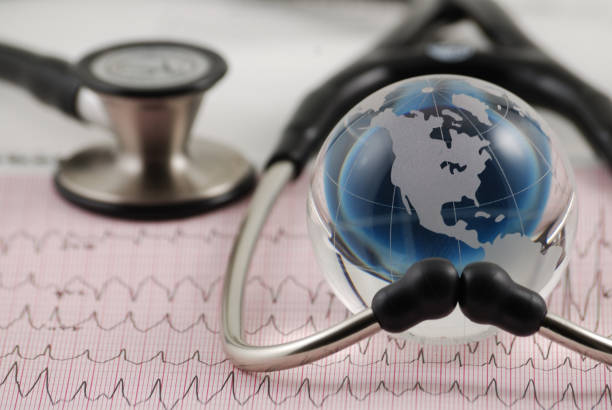
For instance, community health workers use stethoscopes to monitor respiratory illnesses or heart conditions in remote villages. This ensures that patients who cannot travel to city hospitals still receive proper care.
Stethoscopes also allow mobile clinics and emergency teams to assess patients quickly in disaster zones, improving survival rates.
Bridging Public Health and Individual Care
Stethoscopes are not just tools for diagnosing individuals; they are also vital for public health initiatives. By identifying patterns of illness, such as respiratory infections during flu seasons, healthcare professionals can inform public health policies.
For example, during pandemics or seasonal outbreaks, stethoscopes help healthcare workers detect trends that shape vaccination campaigns or preventive measures. This ability to combine personal care with public health insights ensures that communities remain healthier.
Driving Technological Advancements
As technology advances, the stethoscope is evolving into a more sophisticated tool. Modern electronic stethoscopes, powered by artificial intelligence (AI), can amplify sounds, record data, and analyze abnormalities with greater accuracy.
According to Berkeley Public Health, AI-enabled stethoscopes can detect diseases like heart failure at early stages by analyzing sound patterns. Some models connect to apps, allowing you to share recordings with doctors remotely.
These advancements improve telemedicine, enabling doctors to monitor patients from anywhere. They also reduce diagnostic errors, making healthcare more reliable and efficient.
Supporting Training and Education
Stethoscopes are indispensable in medical training. Medical students use them to learn about the different sounds the body makes, helping them develop diagnostic skills. They act as a bridge between theoretical knowledge and practical application.
In global healthcare systems, stethoscopes enable the standardization of diagnostic training. This ensures that healthcare workers worldwide can rely on similar methods for accurate diagnoses, even in resource-limited settings.
Empowering Community Healthcare
In developing countries, stethoscopes are a symbol of trust and access. Health workers equipped with stethoscopes gain credibility and confidence in their communities. This trust encourages individuals to seek care sooner, preventing minor conditions from worsening.
In regions battling infectious diseases, such as tuberculosis or pneumonia, stethoscopes allow early detection, reducing the spread of illness. Their portability makes them ideal for use in mobile clinics and vaccination drives.
Global Influence of Stethoscope Adoption
The stethoscope’s universal design ensures its accessibility worldwide. Whether in high-tech hospitals or small village clinics, it remains a symbol of healthcare excellence.
As emphasized by Omnia Health, the global stethoscope market is growing rapidly, driven by innovations and increased demand for better healthcare tools.
Its widespread adoption highlights the balance between affordability, accessibility, and technological advancement, making it a cornerstone of modern medicine.
Stethoscopes have transformed global healthcare by improving diagnostics, expanding access to care, and driving technological innovations. They connect personal care to public health, making healthcare more efficient and inclusive.
As they continue to evolve, their impact will only grow, shaping the future of medicine for years to come.
Environmental Impacts of the U.S. Healthcare System
The widespread use of disposable stethoscopes in hospitals adds to the growing environmental concerns. While disposable models are important for infection control, they also create significant plastic waste.
The PharmiWeb report highlights how the global healthcare industry contributes to carbon emissions and waste. Stethoscope manufacturers are now focusing on sustainable practices, like creating reusable models from eco-friendly materials.
Table: Disposable vs. Reusable Stethoscopes
| Factor | Disposable Stethoscopes | Reusable Stethoscopes |
| Cost | Affordable for single-use | Higher upfront cost |
| Durability | Meant for short-term use | Long-lasting and durable |
| Environmental Impact | Significant waste | Minimal waste |
| Hygiene | Ideal for infection control | Requires sterilization |
Switching to reusable models can reduce environmental harm without compromising hygiene.
Why Is Healthcare Important to Society?
Healthcare is essential for maintaining the well-being of society. It doesn’t just treat illnesses; it prevents them. Stethoscopes are a prime example of how healthcare tools benefit society.
By making early detection possible, stethoscopes reduce the need for expensive tests and prevent minor conditions from becoming major problems. Public health, supported by tools like stethoscopes, also guides health policies that keep communities safe and informed.
The Influence of Public Health on the U.S. Healthcare System
Public health plays a major role in shaping healthcare in the U.S. By identifying trends and preventing diseases, public health efforts reduce the burden on hospitals and clinics. Tools like stethoscopes help public health workers detect illnesses early, preventing outbreaks and promoting healthier communities.
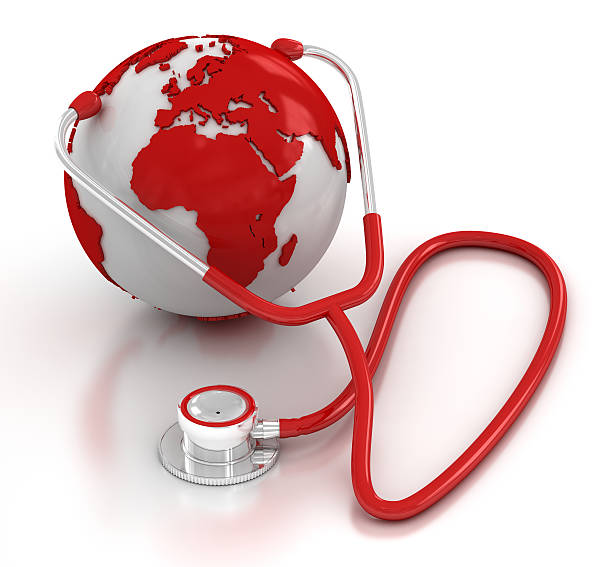
For instance, during flu seasons, healthcare workers use stethoscopes to monitor respiratory health, guiding vaccine distribution and awareness campaigns. This collaboration between public health and healthcare ensures resources are used effectively.
The Global Adoption of Stethoscopes
Stethoscopes have become a universal symbol of healthcare, bridging gaps in global systems. In remote areas, they allow healthcare workers to offer basic services, improving access to care. In developed countries, stethoscopes have paved the way for advanced diagnostic tools and smarter healthcare practices.
As highlighted by Omnia Health, the stethoscope industry is set to grow, with innovations ensuring it remains a critical part of healthcare for years to come. From smart technology to eco-friendly materials, its evolution reflects the growing demand for better and more sustainable healthcare tools.
Conclusion
The global impact of stethoscope adoption in healthcare is undeniable. This small but powerful tool has improved diagnostics, expanded access to care, and shaped public health policies worldwide.
While the environmental impacts of the U.S. healthcare system remind us to be mindful of sustainability, stethoscope innovations offer a path forward. As technology advances, the stethoscope will continue to evolve, ensuring healthcare remains accessible, effective, and environmentally conscious.
This essential device proves that even the simplest tools can drive lasting change in global healthcare. And as you look ahead, it’s clear that the stethoscope’s role will remain vital for both individuals and society.