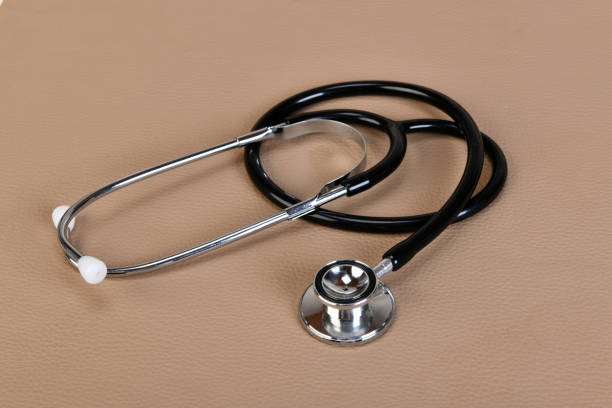
Stethoscopes are essential tools in pulmonology exams. They help doctors listen to your lungs and detect issues that might affect your breathing. This process, called auscultation, is a non-invasive method to evaluate respiratory health by identifying abnormal lung sounds.
In a pulmonology exam, the stethoscope works as a gateway to understanding the condition of your lungs. Let’s dive deeper into how it’s used, what doctors look for, and why it’s so important for diagnosing respiratory problems.
What Happens During a Pulmonology Exam?
A pulmonology exam involves checking your respiratory system for signs of disease or dysfunction. One critical step is the physical examination of the lungs, which includes listening to your breathing with a stethoscope.
Here’s how it typically works:
- Preparation: You’ll be asked to sit or lie in a comfortable position. The doctor might request you to breathe deeply and evenly.
- Auscultation: Using the stethoscope, the doctor will listen to your lungs at different points on your chest, back, and sides.
- Evaluation: They’ll assess the quality of the sounds, comparing both sides of your lungs for any differences or abnormalities.
Why Is Auscultation Important in Physical Examination?
Auscultation in physical examination provides immediate clues about your lung health. Doctors use it to detect unusual sounds that could point to various conditions, such as:
- Wheezing: A high-pitched sound often linked to asthma or airway obstruction.
- Crackles: Also called rales, these sounds may indicate fluid in the lungs due to pneumonia or heart failure.
- Diminished sounds: Reduced airflow could suggest blockages, collapsed lungs, or severe infections.
By catching these signals early, your doctor can recommend further tests or treatments.

Key Auscultation Sites of the Lungs
Doctors use specific auscultation sites of the lungs to ensure they cover all lung areas effectively. These sites include:
- Front of the chest: Helps evaluate the upper lung regions.
- Sides of the chest: Covers the middle sections of the lungs.
- Back of the chest: Focuses on the lower lung lobes.
This comprehensive approach ensures no area of your lungs is overlooked.
Pulmonary Exam Findings: What Do They Mean?
The sounds your lungs make can reveal a lot about your health. Here are some common pulmonary exam findings and what they might indicate:
| Finding | What It Might Mean |
| Clear sounds | Healthy lungs and normal airflow |
| Wheezing | Asthma, bronchitis, or airway blockage |
| Crackles | Pneumonia, fluid buildup, or fibrosis |
| Absent sounds | Collapsed lung or severe obstruction |
Understanding these findings helps doctors make informed decisions about their care.
The Role of Stethoscopes in a Chest Examination
A chest examination with a stethoscope allows doctors to evaluate both your lungs and heart. They listen for sounds that might point to:
- Respiratory conditions like infections, chronic bronchitis, or asthma.
- Heart-related issues such as abnormal rhythms or murmurs.
- Serious concerns like collapsed lungs or fluid accumulation.
This step is often the first line of defense in detecting respiratory and cardiovascular health problems.
Comparing Stethoscopes with Other Diagnostic Tools
While stethoscopes are highly effective for initial assessments, doctors may use additional tests to confirm findings. Here’s a quick comparison:
| Tool | What It Detects | When It’s Used |
| Stethoscope | Lung and heart sounds | Routine and early exams |
| Chest X-Ray | Structural abnormalities, like tumors | When physical signs suggest problems |
| CT Scan | Detailed lung imaging | For more complex conditions |
| Spirometry | Lung function and airflow | To diagnose chronic respiratory issues |
The stethoscope is often the starting point because it’s simple, quick, and doesn’t involve radiation.
5 Areas of the Heart for Auscultation
Auscultation of the heart involves listening to specific areas where heart valves are located. These five areas of the heart for auscultation provide critical insights into your heart’s function. Each area corresponds to a specific valve or region of the heart.
1. Aortic Area
- Location: Right side of the chest, second intercostal space (just below the collarbone).
- Purpose: Doctors listen here to evaluate the aortic valve. Abnormal sounds, such as murmurs, may indicate valve narrowing (stenosis) or backflow (regurgitation).
2. Pulmonic Area
- Location: Left side of the chest, second intercostal space.
- Purpose: This area is used to assess the pulmonic valve, which controls blood flow from the heart to the lungs. Abnormalities could point to pulmonary hypertension or valve disorders.
3. Erb’s Point
- Location: Left side of the chest, third intercostal space (slightly lower than the pulmonic area).
- Purpose: Known as a central listening spot, this area provides a blend of sounds from all valves. It’s often used to confirm abnormal findings from other areas.
4. Tricuspid Area
- Location: Lower-left chest, near the sternum (fourth or fifth intercostal space).
- Purpose: This area focuses on the tricuspid valve, which regulates blood flow between the heart’s right atrium and right ventricle. Doctors listen for signs of tricuspid stenosis or regurgitation.
5. Mitral Area
- Location: Left side of the chest, fifth intercostal space, near the midclavicular line (close to the nipple line).
- Purpose: This is the best spot to listen to the mitral valve, which manages blood flow between the left atrium and left ventricle. Issues like mitral valve prolapse or stenosis are often detected here.
Why These Areas Are Important?
Each of these auscultation points helps pinpoint specific heart valve issues. Doctors use these areas to detect murmurs, clicks, and other abnormal sounds that can indicate heart conditions. This systematic approach ensures a comprehensive assessment of heart health.
By focusing on these five areas, doctors can catch early signs of heart disease, guide further testing, and recommend appropriate treatments.

Auscultation in Physical Examination: A Lifesaving Step
The physical examination of the respiratory system wouldn’t be complete without auscultation. This method detects subtle changes in lung sounds that other tools might miss.
Doctors rely on this technique to:
- Spot early signs of infections like pneumonia.
- Identify chronic conditions such as COPD or asthma.
- Monitor treatment progress in existing respiratory diseases.
Even in emergencies, auscultation can guide quick decision-making.
Understanding the Physical Examination of Lungs
The physical examination of the lungs involves more than just listening. Doctors observe how you breathe, check for chest movements, and evaluate your oxygen levels. Combining these observations with auscultation results gives a fuller picture of your lung health.
Conclusion: Stethoscopes as Key Players in Pulmonology Exams
Stethoscopes are indispensable in pulmonology exams. They provide a non-invasive, efficient way to detect lung and heart problems early. By using specific auscultation sites of the lungs and analyzing pulmonary exam findings, doctors can ensure accurate diagnoses and effective treatments.
Remember, taking care of your respiratory health starts with routine checkups. If you ever notice difficulty breathing or persistent coughing, consult your doctor immediately. With tools like stethoscopes, your doctor can keep your lungs and heart in their best shape.