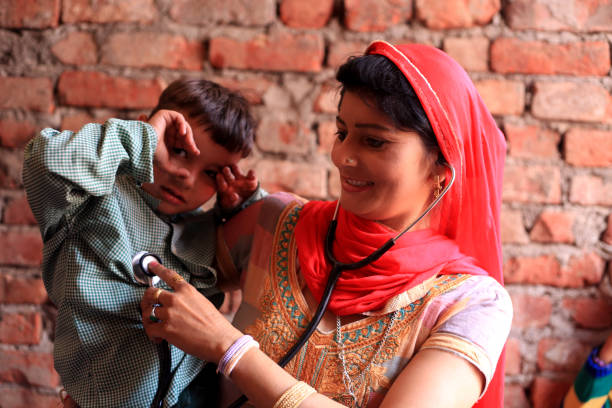
Stethoscopes are small but mighty tools in the world of healthcare. They help doctors and nurses listen to heartbeats, breathing, and other vital body sounds. Stethoscopes in rural and low-resource settings, where hospitals and clinics often lack expensive medical devices.
However, stethoscopes are essential for diagnosing illnesses. Let’s explore how stethoscopes make a difference in these areas and the innovations making them even more accessible.
Why Stethoscopes Are So Important in Low-Resource Settings
In many rural areas, access to modern hospitals and expensive diagnostic tools is limited. But even in such places, diseases like pneumonia, asthma, and heart problems still occur. It plays a key role in identifying these conditions early.
You can carry a stethoscope anywhere, which is perfect for areas where doctors travel to patients instead of the other way around. It’s affordable, reliable, and doesn’t need electricity, making it a life-saving tool in these settings.
Challenges in Using Stethoscopes in Rural Areas
Despite their usefulness, there are still some challenges in using stethoscopes in low-resource settings:
- Cost: High-quality stethoscopes can be expensive.
- Durability: Traditional models might not last long in harsh environments.
- Training: Not everyone knows how to use or repair them properly.
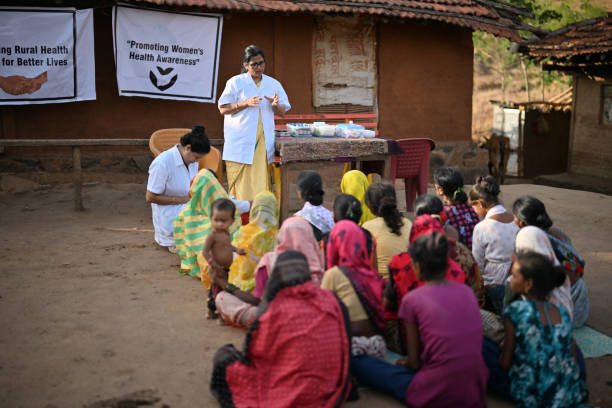
Thankfully, new technologies like open-source and 3D-printed stethoscopes are solving these problems.
Innovations: Making Stethoscopes More Accessible
In rural and low-resource settings, healthcare providers often face challenges like limited budgets, lack of equipment, and harsh conditions. To tackle these issues, innovative stethoscope designs have emerged.
This makes them more affordable and practical. These innovations, including open-source, 3D-printed, and tele-stethoscopes, are changing how medical care is delivered in underserved areas.
1. Open-Source Stethoscopes
Open-source stethoscopes offer an affordable alternative to traditional models. Their designs are freely available online, allowing anyone to produce them using low-cost materials. These stethoscopes meet medical standards and are widely used in rural clinics, schools, and training centers.
Key Benefits:
- Low Cost: Open-source stethoscopes are significantly cheaper than branded options.
- Easy Repairs: You can replace parts or fix them with basic tools.
- Local Production: They can be made locally, reducing dependence on external suppliers.
2. 3D-Printed Stethoscopes
3D printing technology has revolutionized how stethoscopes are manufactured. Using a 3D printer, you can create a high-quality stethoscope in just a few hours for a fraction of the cost of traditional models.
How They Work:
- A 3D printer creates the stethoscope’s parts using open-source designs.
- The parts are assembled into a fully functional stethoscope.
Comparison Table:
| Feature | Traditional Stethoscope | 3D-Printed Stethoscope |
| Cost | $100–$200 | Under $5 |
| Production | Requires factory manufacturing | Made locally with a 3D printer |
| Customization | Limited | Easily customizable |
| Accessibility | Expensive and scarce in remote areas | Readily available with a printer |
These stethoscopes proved invaluable during the COVID-19 pandemic, where supply chain disruptions made traditional equipment scarce.
3. Tele-Stethoscopes
Tele-stethoscopes combine traditional stethoscopes with modern technology, enabling remote diagnosis. They work by converting body sounds into digital recordings that can be transmitted to doctors far away.
How Tele-Stethoscopes Help:
- Enable specialists to assist rural healthcare providers in real time.
- Reduce the need for patients to travel long distances for expert care.
- Improve diagnosis accuracy in emergencies.
For example, a low-cost solution for tele-stethoscopes involves attaching a smartphone to a regular stethoscope. This setup lets you send high-quality audio recordings to remote specialists instantly.
4. Smartphone Integration
Smartphones are increasingly used alongside stethoscopes to enhance their functionality. Apps can record and analyze sounds, offering diagnostic insights. This approach is cost-effective and bridges the gap between traditional tools and modern healthcare technology.
Benefits:
- Portability: You can use it anywhere with minimal setup.
- Accessibility: Most rural healthcare workers already own smartphones.
- Real-Time Feedback: Apps provide instant insights, speeding up diagnoses.
Why These Innovations Matter
These advancements aren’t just about cost—they’re about accessibility, flexibility, and empowering healthcare providers. By adopting open-source, 3D-printed, or tele-stethoscope solutions, you can:
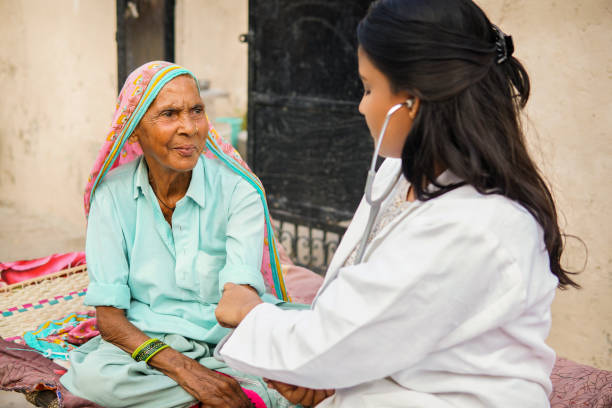
- Serve more patients with limited resources.
- Provide better training to medical staff.
- Build a sustainable healthcare model for underserved areas.
These innovations prove that simple tools like stethoscopes can have a huge impact, especially when paired with modern technology and creative thinking.
Overcoming Challenges in Rural Healthcare
While these innovations are exciting, there are still barriers to overcome. Here’s how you can address them:
- Training: Teach healthcare workers how to use and maintain stethoscopes. Open-source designs are perfect for hands-on practice.
- Maintenance: Use durable materials for 3D-printed stethoscopes so they last longer.
- Community Support: Encourage local communities to invest in these tools for their clinics and health centers.
By combining affordable tools with proper training, you can make healthcare accessible to more people in need.
Conclusion
Stethoscopes are simple tools with incredible potential, especially in rural and low-resource settings. Whether you choose an open-source stethoscope, a 3D-printed model, or a tele-stethoscope, these innovations make a big difference. They save lives, bridge healthcare gaps, and empower communities.
If you’re a healthcare provider or part of a community health program, consider exploring these affordable and effective solutions. With the right tools and training, you can help improve healthcare access and outcomes for people in underserved areas.