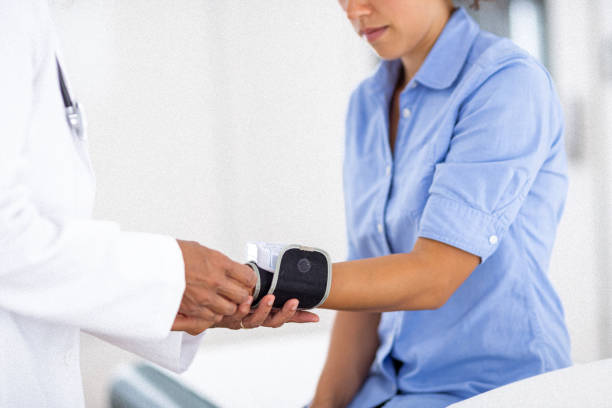
Wearable technology is changing the way we monitor our health. Imagine combining the power of a traditional stethoscope with smart wearable devices. This new technology, called integrating wearable tech with stethoscope functionality, makes it easier for you and healthcare professionals to track and analyze heart and lung health from anywhere.
Let’s explore how this groundbreaking innovation works, why it’s important, and what it means for healthcare.
What is Wearable Technology in Healthcare?
Wearable technology in healthcare includes devices you wear, like smartwatches and fitness trackers, that monitor your health. These devices collect important data about your body, such as heart rate, breathing patterns, and physical activity. They help you and your doctor understand your health better.

Now, wearable devices are taking a step forward with wearable stethoscopes. These smart tools allow you to listen to your heartbeat and breathing just like a doctor would. But they’re not just for listening—they can also detect early signs of problems and send this data to healthcare providers instantly.
Why Combine Wearable Tech and Stethoscope Functionality?
Traditional stethoscopes are great tools, but they have limitations. They only work when a doctor is with you in person. On the other hand, wearable stethoscopes let you monitor your heart and lungs all the time, even at home. Here’s why this combination is so powerful:
- Continuous Monitoring: You don’t have to wait for a doctor’s visit to check your health.
- Early Detection: Wearable stethoscopes can pick up health problems early, helping you take action sooner.
- Data Sharing: These devices connect to apps, making it easy to share your health information with your doctor.
- Convenience: They’re small, wireless, and easy to use. You can wear them all day without any trouble.
How Does a Wearable Stethoscope Work?
A wearable stethoscope has small sensors that pick up sounds from your body, like your heartbeat or breathing. These sounds are then sent to your smartphone or tablet using Bluetooth or Wi-Fi. Once the data is collected, you can review it and share it with your doctor.
Here’s how you use a wearable stethoscope:
- Wear the Device: Attach it to your chest or wrist, depending on the design.
- Turn It On: Press a button or use an app to start recording.
- Track Data: Check your results in the app, which often includes charts or summaries.
- Share Reports: Send the information directly to your doctor if needed.
Comparison Table: Traditional vs. Wearable Stethoscopes
| Feature | Traditional Stethoscope | Wearable Stethoscope |
| Monitoring | Only during doctor visits | Continuous, even at home |
| Ease of Use | Requires training | Simple for anyone to use |
| Data Sharing | Manual (written notes) | Wireless and instant |
| Portability | Bulky | Lightweight and wearable |
This table shows how wearable stethoscopes are more practical for everyday use.
Benefits of Wearable Stethoscopes
1. Convenience: Wearable stethoscopes are small, wireless, and easy to carry. You don’t need to visit a clinic every time you want to check your heart or lungs.
2. Continuous Health Monitoring: Unlike traditional stethoscopes, wearable devices let you monitor your health 24/7. This is especially helpful for people with chronic conditions like asthma or heart disease.
3. Improved Diagnosis: The device collects detailed data over time. This helps your doctor spot patterns or warning signs that might otherwise be missed.
4. User-Friendly Design: You don’t need medical training to use these devices. They work with apps that guide you step-by-step.
Smart Wearable Devices in Healthcare
You might wonder, “What are wearable health devices, and how do they work?” Wearable health devices include:
- Fitness Trackers: Measure steps, heart rate, and sleep patterns.
- Smartwatches: Monitor heart health, oxygen levels, and activity.
- Wearable Patches: Stick to your skin and track more detailed health data.
- Wearable Stethoscopes: Combine the power of a stethoscope with smart sensors.
A great example of a wearable stethoscope is The Patchkeeper, which integrates multiple sensors to monitor your heart, breathing, and body temperature.
How to Choose the Right Wearable Stethoscope
When selecting a wearable stethoscope, consider the following factors:
- Ease of Use: Look for devices with simple instructions and user-friendly apps.
- Features: Some stethoscopes only monitor sounds, while others offer additional features like tracking body temperature.
- Price: Compare options to find a wireless stethoscope that fits your budget.
- Compatibility: Make sure the device works with your smartphone or tablet.
For example, the Littmann Wireless Stethoscope is known for its excellent sound quality, but other models may be more affordable or offer unique features.
Future of Wearable Technology in Healthcare
The future of wearable technology in healthcare is exciting and full of possibilities. As these devices evolve, they’re becoming smarter, more efficient, and accessible to people of all ages. Let’s explore how wearable devices are expected to shape healthcare in the coming years.
1. AI-Driven Diagnostics
Artificial intelligence (AI) is revolutionizing healthcare, and wearables are no exception. Future wearable devices, including wearable stethoscopes, will use AI to analyze data instantly.
For example, your wearable might detect irregular heart rhythms or lung issues and notify you before symptoms appear. This could save lives by enabling early intervention.
2. Personalized Health Monitoring
Wearable technology will go beyond tracking general health metrics. Devices will offer personalized insights based on your unique medical history, lifestyle, and daily habits. For instance, a wearable stethoscope could adjust its monitoring features for someone with asthma or heart disease, ensuring tailored care.

3. Seamless Integration with Telemedicine
As telemedicine grows, wearables will play a key role in bridging the gap between patients and doctors. Devices like wireless stethoscopes will allow you to share real-time health data during virtual appointments. This means more accurate diagnoses and treatment plans without leaving your home.
4. Advanced Multi-Sensor Devices
Future wearables will combine multiple sensors into a single device. For example, The Patchkeeper already integrates heart, lung, and temperature monitoring.
Future models may add glucose monitoring, hydration levels, and even stress detection, giving a complete picture of your health in one tool.
5. Affordable and Accessible Devices
As technology advances, wearable devices will become more affordable. Companies are working to make these tools accessible to everyone, including rural areas and developing countries. This will reduce the gap in healthcare access worldwide.
6. Sustainability and Energy Efficiency
Future wearables will focus on sustainable design, using eco-friendly materials and energy-efficient systems. Some devices might even use renewable energy, like solar power, to run longer without charging.
7. Focus on Preventive Care
Wearables will shift healthcare from treating illnesses to preventing them. By constantly monitoring your body, these devices will help detect potential problems early, such as high blood pressure or respiratory issues. This proactive approach will keep you healthier for longer.
Conclusion
Integrating wearable tech with stethoscope functionality is revolutionizing healthcare. These devices make health monitoring more accessible, convenient, and effective. Whether you’re managing a chronic condition or just want to keep track of your health, wearable stethoscopes offer an easy solution.With options like wireless stethoscopes and smart wearable devices, you can take charge of your health anytime. As technology evolves, wearable stethoscopes will become an essential part of daily healthcare. So, why not explore these innovative tools and take the first step toward smarter health monitoring?