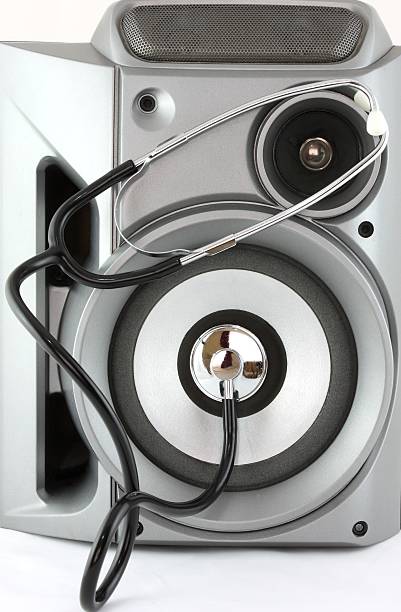
Stethoscopes are best known for saving lives. But they’ve also inspired music and instruments in surprising ways. Musicians and inventors have taken this medical tool and turned it into a source of creativity.
From capturing heartbeats to designing new instruments, stethoscopes have changed how people experience sound. Let’s dive deeper into how stethoscopes have shaped the world of music and instruments.
What Makes the Stethoscope So Special?
The stethoscope helps doctors listen to body sounds like heartbeats and breathing. Its ability to amplify quiet noises has fascinated musicians. These natural sounds, such as the lub-dub of a heartbeat, carry rhythms that are perfect for music.
Musicians discovered they could use stethoscopes to record these sounds and include them in their art. Over time, they also started building instruments inspired by how stethoscopes work.
How Stethoscopes Are Used in Music?
Stethoscopes are not just tools for doctors—they’ve found their way into the world of music. Musicians have turned this medical device into a creative tool to capture unique sounds, amplify vibrations, and even build new instruments. Here are some fascinating ways stethoscopes are used in music:

1. Recording Heartbeats
One of the most common uses of stethoscopes in music is recording heartbeats. The rhythmic “lub-dub” of the human heart creates a natural beat, which musicians often use to add an emotional layer to their songs.
- Why It’s Popular: Heartbeats create a deeply personal and relatable rhythm.
- Examples: Some lullabies include heartbeat sounds to mimic the comforting environment of a womb.
2. Capturing Body Sounds
Musicians use stethoscopes to record other body sounds, such as breathing, digestion, or even blood flow. These sounds add depth and texture to their music.
- Breathing: Often used in meditative or calming tracks.
- Digestive Sounds: Add quirky and experimental effects to electronic or avant-garde music.
| Body Sound | Music Use |
| Heartbeats | Emotional, steady rhythms for songs. |
| Breathing | Relaxing and meditative soundscapes. |
| Digestive Sounds | Creative effects for experimental tracks. |
3. Using Stethoscopes as Microphones
Some musicians use stethoscopes as unique microphones. By placing the stethoscope on objects like drums, guitars, or even walls, they can amplify subtle vibrations.
- What It Does: Picks up raw, natural sounds that normal microphones can’t detect.
- Impact: Creates a raw, organic feel in the music that’s impossible to replicate with regular recording equipment.
4. Enhancing Live Performances
In live shows, musicians use stethoscopes to let audiences hear their heartbeat or other body sounds in real-time. This creates an intimate and immersive experience for listeners.
5. Building New Instruments
The stethoscope’s ability to amplify soft sounds has inspired the creation of new instruments, such as:
- Electronic Stethophones: Devices that combine stethoscope technology with headphones to amplify and modify body sounds for music.
- Hybrid Instruments: Instruments like violins or guitars that integrate stethoscope-like components to create unique acoustics.
Instruments Inspired by Stethoscopes
Stethoscopes have not only influenced music but also inspired the design of new instruments. These creations mimic the stethoscope’s ability to amplify soft or hidden sounds, making them unique tools in the world of music. Here are some fascinating examples:

1. Electronic Stethophones
Electronic stethoscopes are modern devices that blend the functionality of a stethoscope with sound technology.
- What It Is: A device that captures and amplifies body sounds, such as heartbeats or breathing, and converts them into audio signals.
- How It’s Used: Musicians use stethoscopes to record subtle sounds and modify them for music production.
- Impact on Music: They make it easy to create tracks that incorporate raw, organic sounds, giving compositions a personal and experimental feel.
2. Hybrid String Instruments
Some inventors have combined stethoscope-like parts with string instruments to enhance sound production.
- Example: Violins with stethoscope-like amplifiers that pick up the vibrations of strings more effectively.
- What Makes It Unique: These instruments produce deeper and more resonant tones, offering a richer listening experience.
3. Acoustic Amplification Devices
Inspired by the stethoscope’s chest piece, acoustic amplification devices are designed to detect and enhance sound vibrations.
- Functionality: Similar to a stethoscope, these devices pick up faint vibrations from surfaces or strings and amplify them.
- Use in Music: Musicians use them to capture raw sounds from non-traditional instruments like wood, glass, or even metal plates.
4. Percussion Tools with Stethoscope Technology
Some percussion instruments now include components inspired by stethoscopes to enhance the natural sounds of vibrations.
- Example: A drum with stethoscope-like sensors that detect and amplify even the lightest taps.
- Benefit: This allows for more dynamic sound control and makes percussion instruments more versatile.
5. Portable Sound Exploration Devices
Musicians and sound engineers have created portable tools inspired by stethoscopes for exploring unique soundscapes.
- What They Do: These devices can pick up sounds from nature, such as flowing water or rustling leaves, and amplify them for music production.
- Why It’s Useful: They allow artists to incorporate natural environmental sounds into their compositions seamlessly.
How These Instruments Are Changing Music
Stethoscope-inspired instruments are giving musicians new ways to create and explore sound. They provide access to subtle, hidden noises that traditional instruments often miss. By amplifying these sounds, artists can add raw, natural, and experimental elements to their music.
The Connection Between Music and Medicine
Stethoscopes are now used in both health and art. This connection between music and medicine has led to some incredible collaborations.
- Medical-Themed Music: Musicians work with doctors to create tracks inspired by the human body.
- Live Shows With Body Sounds: Artists use stethoscopes during performances, allowing the audience to hear their heartbeat or breathing in real-time.
How You Can Try It at Home
Curious to experiment with stethoscope sounds? It’s simple!
- Get a Stethoscope: You can buy a basic stethoscope online.
- Find a Recording Device: Use your phone or a microphone to capture the sounds.
- Experiment: Place the stethoscope on your chest or other surfaces. Record the sound and mix it with your favorite music app.
This can be a fun way to explore your creativity!
A Brief History of Stethoscopes in Music
The idea of using stethoscopes in music began in the mid-20th century. Musicians were intrigued by the natural rhythms of the body. Over time, they found ways to blend these rhythms into their compositions.
Instruments like electronic stethophones and hybrid devices were developed to amplify these sounds. Today, stethoscope-inspired music is used in experimental, electronic, and even pop genres.
The Future of Stethoscopes in Music
As technology advances, stethoscopes will likely inspire even more innovations in music and instruments. We may see more collaborations between musicians and doctors or the creation of new devices that amplify natural sounds.
This growing trend shows how creativity can transform even the simplest tools into something extraordinary.
Conclusion
Stethoscopes have inspired music and instruments in unexpected ways. They’ve helped musicians record heartbeats, amplify unique sounds, and create new instruments. This blend of medicine and music shows how tools meant for healing can also spark creativity.
So, the next time you hear a rhythmic beat or an experimental track, think about how a stethoscope might have played a role. It’s a beautiful reminder that inspiration can come from anywhere—even from the sounds of your own body!