
The stethoscope is one of the most recognizable tools in healthcare. It’s not just a device to listen to a patient’s heart or lungs—it’s a symbol of trust and care. However, its use comes with responsibilities.
Healthcare professionals must consider how their actions with a stethoscope impact patients ethically. Let’s dive into the ethical considerations in stethoscope usage.
Why Ethical Usage of Stethoscopes Matters?
A stethoscope bridges the gap between a doctor and their patient. It allows you to hear what’s going on inside a person’s body. But its use goes beyond just making a diagnosis. How you use it reflects your respect for patient trust, safety, and privacy.
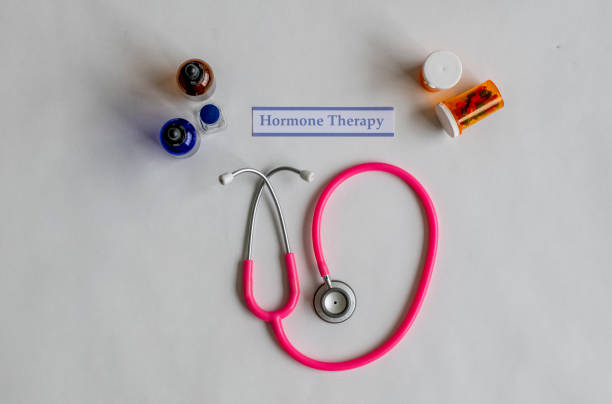
For example:
- Cleanliness: A stethoscope can carry germs from one patient to another. Studies from MDPI Sensors show that disinfecting your stethoscope between uses reduces the risk of spreading harmful bacteria.
- Trust: Patients rely on you to use your tools carefully. Misusing a stethoscope, even unintentionally, can break that trust.
When you use a stethoscope ethically, you show that you care about your patient’s health and dignity.
Common Ethical Issues in Stethoscope Usage
1. Protecting Patient Privacy
When you use a stethoscope, it often requires close physical contact. This can make some patients feel uneasy. Always ask for permission before placing the stethoscope on their body. A simple, “May I use this to check your heart?” can make a big difference.
Respecting a patient’s comfort shows that you value their personal space and autonomy.
2. Maintaining Hygiene
Did you know a stethoscope can carry harmful germs if not cleaned properly? Research shows that bacteria can live on the surface of a stethoscope for hours, even days. Regular cleaning with alcohol wipes after every use is not just about hygiene; it’s about preventing infections.
Ignoring this step could harm your patients. Keeping your stethoscope clean follows the ethical principle of “no harm.”
3. Using the Stethoscope Correctly
Using a stethoscope is not as simple as it looks. You must know where to place it and how to interpret the sounds you hear. Misusing it can lead to wrong diagnoses, which may harm the patient.

Healthcare professionals should stay up-to-date with proper training. Studies in Biomedical Engineering Online stress that ongoing education ensures you use the stethoscope accurately and ethically.
The Role of Technology in Stethoscope Usage
Technology has transformed the stethoscope. Digital stethoscopes can amplify sounds, record data, and even connect to apps. While these advancements are helpful, they raise new ethical concerns.
| Traditional Stethoscope | Digital Stethoscope | Ethical Concerns |
| Relies on the doctor’s skill | Provides enhanced sound clarity | Over-reliance on technology can reduce skill-building |
| Involves no data storage | Can store patient recordings | Risk of data breaches if recordings aren’t protected |
| Affordable and accessible | More expensive for patients | Limited availability in low-income areas |
While digital stethoscopes improve diagnosis, you must ensure patient data remains private and secure. Balancing technology with human expertise is essential.
Practical Tips for Ethical Stethoscope Usage
- Always Disinfect After Every Use Clean your stethoscope with alcohol wipes between patients. This small act prevents infections and shows you care about patient safety.
- Ask for Consent Never assume it’s okay to use your stethoscope. Politely ask the patient first. This builds trust and shows respect.
- Keep Improving Your Skills Stay informed about how to use a stethoscope effectively. Practice regularly and stay updated on new medical advancements.
- Be Mindful of Technology If you use a digital stethoscope, ensure patient data is secure. Double-check your device settings and avoid storing sensitive information unnecessarily.
- Maintain Accessibility Advocate for affordable and widely available tools. Ethical care means ensuring all patients, regardless of income, can benefit from medical advancements.
Comparing Ethical Concerns: Hygiene vs. Technology
| Ethical Concern | Impact on Patients | How to Address |
| Lack of Hygiene | Spreads infections | Disinfect stethoscopes after every use |
| Over-reliance on Technology | Reduces human diagnostic skills | Balance tech use with personal expertise |
| Data Privacy in Digital Devices | Risk of leaking sensitive patient information | Use secure systems for data storage |
Addressing both hygiene and technological concerns ensures safer and more ethical care for patients.
Conclusion
Using a stethoscope ethically is about more than following medical protocols. It’s about respecting the trust patients place in you. By maintaining hygiene, protecting privacy, and using technology responsibly, you can provide better care.
Remember, every time you use a stethoscope, you’re not just listening to a patient’s body—you’re showing your commitment to their well-being. Ethical stethoscope usage isn’t just good practice; it’s the foundation of trust in healthcare.