
Learning to use a stethoscope can feel overwhelming for beginners. From wearing it correctly to interpreting sounds, several challenges can arise. However, with practice and guidance, you can overcome these hurdles.
This guide highlights common challenges and solutions, helping you feel confident with your stethoscope.
What Are the Common Challenges for Beginners Using a Stethoscope?
When starting, beginners often encounter issues that make using a stethoscope seem more difficult than it is. Here are some common challenges:
- Improper Fit or Positioning: Beginners often struggle with wearing the stethoscope correctly. Earpieces may feel uncomfortable, or sounds may be unclear because the chest piece is placed incorrectly.
- Difficulty Hearing Sounds Clearly: Background noise, improper chest piece positioning, or poor-quality stethoscopes can make it hard to hear heartbeats, lung sounds, or blood pressure readings.
- Confusion Over Sound Interpretation: Understanding normal vs. abnormal sounds is tricky for new users. Differentiating between heart murmurs, lung wheezes, or bowel sounds requires practice.
- Handling Patient Comfort: Beginners may feel awkward positioning the stethoscope, especially when working with female patients or in sensitive areas.
- Self-Doubt and Nervousness: A lack of confidence in handling the stethoscope can lead to hesitation or errors.
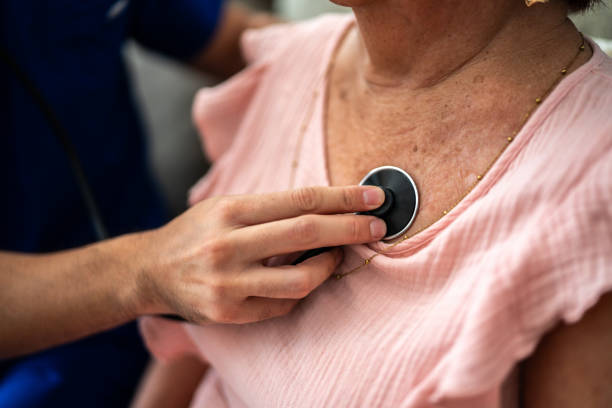
How to Overcome Challenges with Your Stethoscope?
Let’s tackle each issue with practical solutions.
1. How to Wear a Stethoscope in Your Ears Correctly
Wearing your stethoscope properly improves sound quality.
- Insert the earpieces so they point forward, aligning with your ear canals.
- Adjust the tension of the headset for a snug yet comfortable fit.
Tip: Test your setup by tapping the diaphragm lightly. If the sound is faint, check the direction of the earpieces.
2. How to Use a Stethoscope to Hear a Heartbeat
Hearing a clear heartbeat requires precision and quiet surroundings.
- Place the diaphragm on the left side of the chest near the heart.
- Ensure the patient is relaxed and breathing normally.
- Listen for the rhythmic “lub-dub” sounds, which indicate normal heartbeats.
Common Issues: Beginners often place the chest piece too far from the heart or press too lightly. Practice on yourself or a friend to improve your technique.
3. How to Use a Stethoscope for Lungs
Lung sounds can reveal respiratory conditions like asthma or pneumonia.
- Ask the patient to sit upright and breathe deeply.
- Place the stethoscope on their back, starting from the top and moving downward.
- Listen for any wheezes, crackles, or abnormal breathing sounds.
Tip: Avoid placing the chest piece over clothing, as it can distort the sounds.
4. How to Use a Stethoscope for Blood Pressure
Measuring blood pressure is one of the most common uses of a stethoscope.
- Wrap the blood pressure cuff snugly around the upper arm.
- Place the diaphragm under the cuff, just above the elbow crease.
- Inflate the cuff and slowly release the air while listening for the first and last beats (systolic and diastolic pressure).
Common Mistake: Overinflating the cuff or releasing air too quickly can lead to inaccurate readings. Practice at a steady pace.
5. How to Use a Stethoscope on Yourself
Practicing yourself helps build confidence.
- Sit in a quiet area and hold the diaphragm firmly against your chest.
- Listen for your heartbeat or breathing sounds.
- Stay still to minimize movement noise.
Challenge: It may feel awkward at first, but regular practice makes it easier.
6. How to Use a Stethoscope on a Woman
Maintaining patient comfort and privacy is essential.
- Communicate with the patient and explain the procedure.
- Position the stethoscope under or around clothing as needed.
- Always respect the patient’s comfort and preferences.
Tip: Using a gown or drape can help ensure modesty and professionalism.
7. 10 Uses of a Stethoscope
Stethoscopes are versatile tools with many uses. Here’s a quick comparison of their applications:
| Use | Purpose |
| Heartbeat Monitoring | Assessing heart rhythm and detecting murmurs. |
| Lung Examination | Identifying wheezes, crackles, or fluid buildup. |
| Blood Pressure Measurement | Listening to Korotkoff sounds to measure pressure levels. |
| Bowel Sounds | Detecting digestive issues like blockages or hyperactivity. |
| Fetal Heartbeat Detection | Monitoring the health of a fetus during pregnancy. |
| Checking for Bruits | Detecting abnormal blood flow in arteries. |
| Chest Congestion Assessment | Evaluating fluid buildup in the lungs or chest cavity. |
| Self-Monitoring | Practicing yourself to learn techniques. |
| Educational Training | Helping students recognize different body sounds. |
| Vascular Sound Detection | Diagnosing circulation problems or blood clots. |
Step-by-Step Guide for Beginners
Here’s a step-by-step process to master your stethoscope:
- Clean Your Stethoscope: Wipe the earpieces and diaphragm with alcohol before each use.
- Wear It Correctly: Insert the earpieces with the tips facing forward.
- Position the Chest Piece: Use the diaphragm for high-pitched sounds like the heart and lungs. Use the bell for low-pitched sounds like bruits.
- Minimize Background Noise: Choose a quiet space for accurate listening.
- Practice Regularly: The more you use your stethoscope, the more confident you’ll become.

Tips for Building Confidence
- Practice Frequently: Work on friends, family, or mannequins to perfect your skills.
- Learn the Sounds: Use online resources or apps to compare normal and abnormal sounds.
- Seek Feedback: Ask experienced colleagues or mentors to guide you.
- Stay Patient: Mastery takes time, so don’t rush the process.
Conclusion: Master the Stethoscope with Practice
Using a stethoscope as a beginner might seem challenging, but practice makes perfect. Focus on wearing it correctly, understanding sounds, and building confidence step by step.
Whether you’re learning how to use a stethoscope to hear a heartbeat, checking lungs, or measuring blood pressure, consistency is key.
With time and effort, you’ll feel comfortable using this vital tool in any situation. So, grab your stethoscope, start practicing, and embrace the learning journey!